


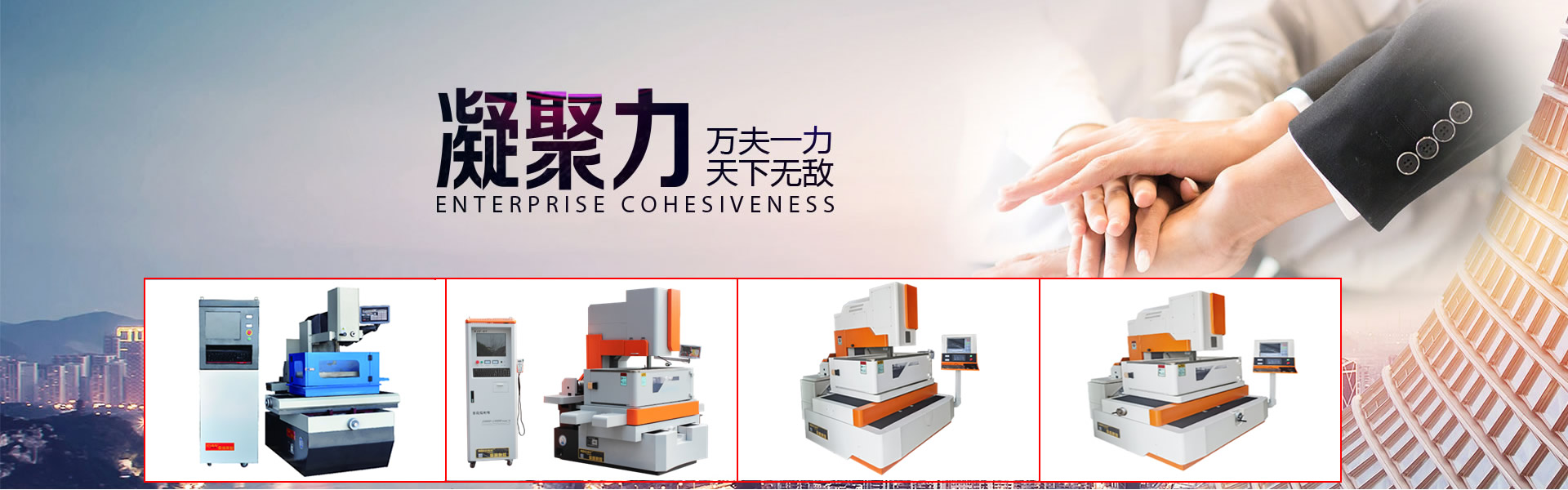

One possible reason for the slow processing speed of ultrasonic wire cutting could be:
Improper cutting parameter settings:
Slower wire EDM cutting speed may be due to improper parameter settings. Slow cutting speed, low current, and low pulse frequency can all lead to slower cutting. Properly setting the cutting parameters can improve the cutting speed.
2. Insufficient tension in molybdenum wire:
Insufficient tension in the tungsten wire can also lead to slower cutting speeds. Inadequate tension can cause the tungsten wire to bend easily during the cutting process, thereby affecting the cutting speed. Adjusting the tension of the tungsten wire can increase the cutting speed.
Severe cutting head wear
Severe cutting head wear can also lead to slower cutting speeds. Wear on the cutting head can degrade cutting quality, necessitating a reduction in speed to maintain quality. Regularly replacing the cutting head can enhance cutting speed.
High material hardness of the workpiece
High hardness of workpiece materials can also lead to slower cutting speeds. Materials with high hardness require greater cutting force to be cut, thereby reducing the cutting speed. Choosing the appropriate cutting parameters and process can increase cutting speed.
5. Inadequate gap between the cutting head and workpiece.
Inadequate spacing between the cutting head and the workpiece can also slow down the cutting speed. Excessive spacing leads to a decline in cutting quality, necessitating a reduction in cutting speed to ensure quality. Adjusting the spacing between the cutting head and the workpiece can increase cutting speed.
Insufficient cooling between the cutting head and workpiece:
Insufficient cooling between the cutting head and workpiece can also lead to slow cutting speeds. A significant amount of heat is generated during the cutting process, and inadequate cooling can cause the cutting head to overheat, thereby reducing the cutting speed. Increasing cooling equipment or adjusting the cooling method can improve the cutting speed.
7. Insufficient lubrication between the cutting head and workpiece:
Insufficient lubrication between the cutting head and workpiece can also lead to slow cutting speeds. Lack of lubrication increases friction between the cutting head and the workpiece, thereby reducing cutting speed. Adding lubricant or adjusting the lubrication method can improve cutting speed.
To optimize the speed of silk thread cutting and processing, adjustments can be made from the following aspects:
Adjust cutting parameters:
According to the material and diameter of the silk thread, adjust the cutting parameters such as cutting speed, feed rate, and cutting depth. Appropriately increasing the cutting speed and feed rate can enhance cutting efficiency, but be mindful not to exceed the load capacity of the cutting tool and machine tool.
Enhanced Cutting Path Optimization
Efficiently plan cutting paths to minimize back-and-forth movements and dead runs, enhancing cutting efficiency. Utilize specialized cutting software for path planning or manually adjust based on experience.
Enhance Cutting Precision:
By enhancing cutting precision, reducing the need for subsequent processing steps, and thereby improving overall processing efficiency. This can be achieved by utilizing more advanced cutting equipment, such as laser or EDM cutting machines, or by optimizing cutting processes, like using coolants for cutting to minimize heat deformation.
Enhance Equipment Maintenance
Regular maintenance and upkeep of cutting equipment ensure optimal performance. Promptly replacing worn-out blades, cleaning the cutting equipment, and adjusting the cutting machine's precision can enhance cutting efficiency and quality.
5. Process Optimization
The process flow for wire cutting has been optimized, reducing unnecessary procedures and waiting time. Automation equipment, such as automatic feeding and unloading devices, can be utilized to minimize human intervention and enhance processing efficiency. ZhiKai CNC's independently developed CoolCut wire cutting control system offers advanced features like one-touch material retrieval, over-travel prediction, jump plot processing, and slow thread AR marking to meet the diverse processing needs of different users.
