

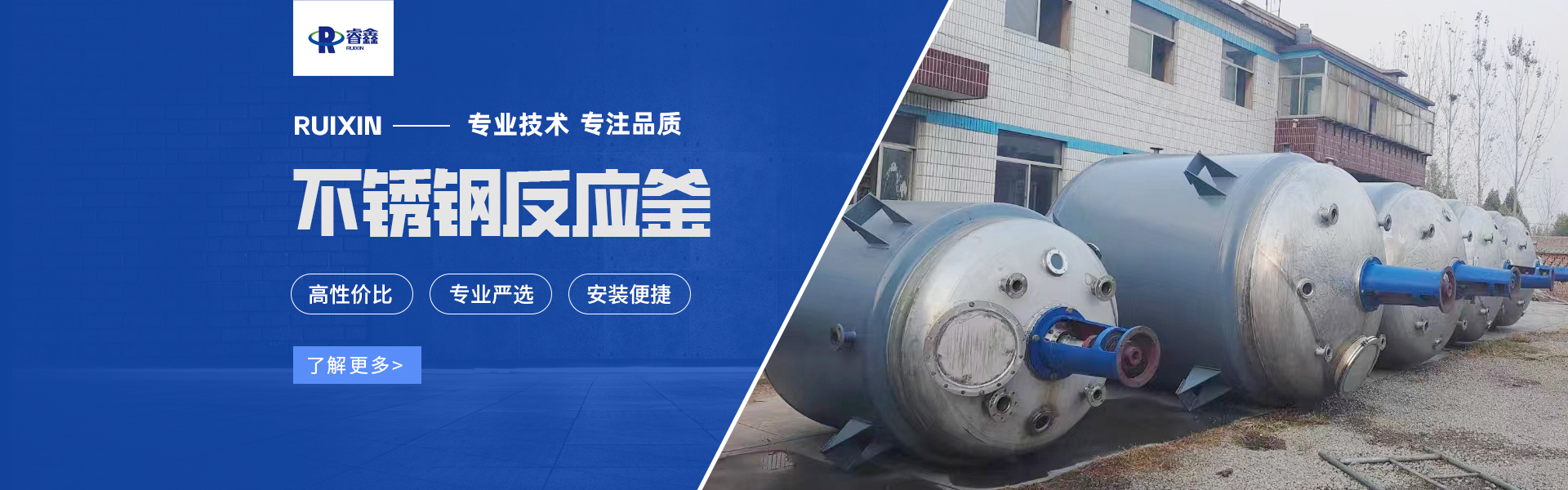
During the operation of the stainless steel reactor, its overflow protection device effectively includes the reactor body, the drainage outlet located below the reactor body, the conduit set at the center of the upper surface of the reactor body, the exhaust port opened on the upper surface of the reactor body, the cylindrical buoyant body positioned directly below the conduit, and the elastic gasket used to seal the lower opening of the conduit.
The end of the connecting pipe for the stainless steel reactor vessel is connected to the overflow outlet of the reactor. During operation, the other end extends into the vessel body; an elastic gasket is set on the upper surface of the cylindrical float. The overflow protection device not only temporarily stores overflow but also prevents overflow within a certain range, feeding back to control the feeding device or triggering an alarm signal. The process requirements for stainless steel reactor vessels typically effectively include the reactor's volume, working pressure, working temperature, working medium, corrosion conditions, heat transfer area, mixing type, speed, and power, as well as the installation of connection ports.
These requirements are typically reflected in the equipment design specifications submitted by the process department, usually in the form of tables and diagrams. During the mechanical design of a stainless steel reactor, it is first necessary to analyze each item in the design specifications. Generally, factors such as pressure, temperature, and medium corrosion are the main considerations in the mechanical design of reactors. If there are two or more conflicting complex processes, it is necessary to fully identify their main contradictions. In most cases, pressure is the main contradiction in equipment design, often determining the choice of materials, structure, and shape of the equipment, so it must be considered first.
