



- AllProduct Category
-
Multi-functional Filter Washing and Drying Machine
Filtering Equipment
Packaging Containers
Custom Products
Drying Equipment





详情描述
Reactor
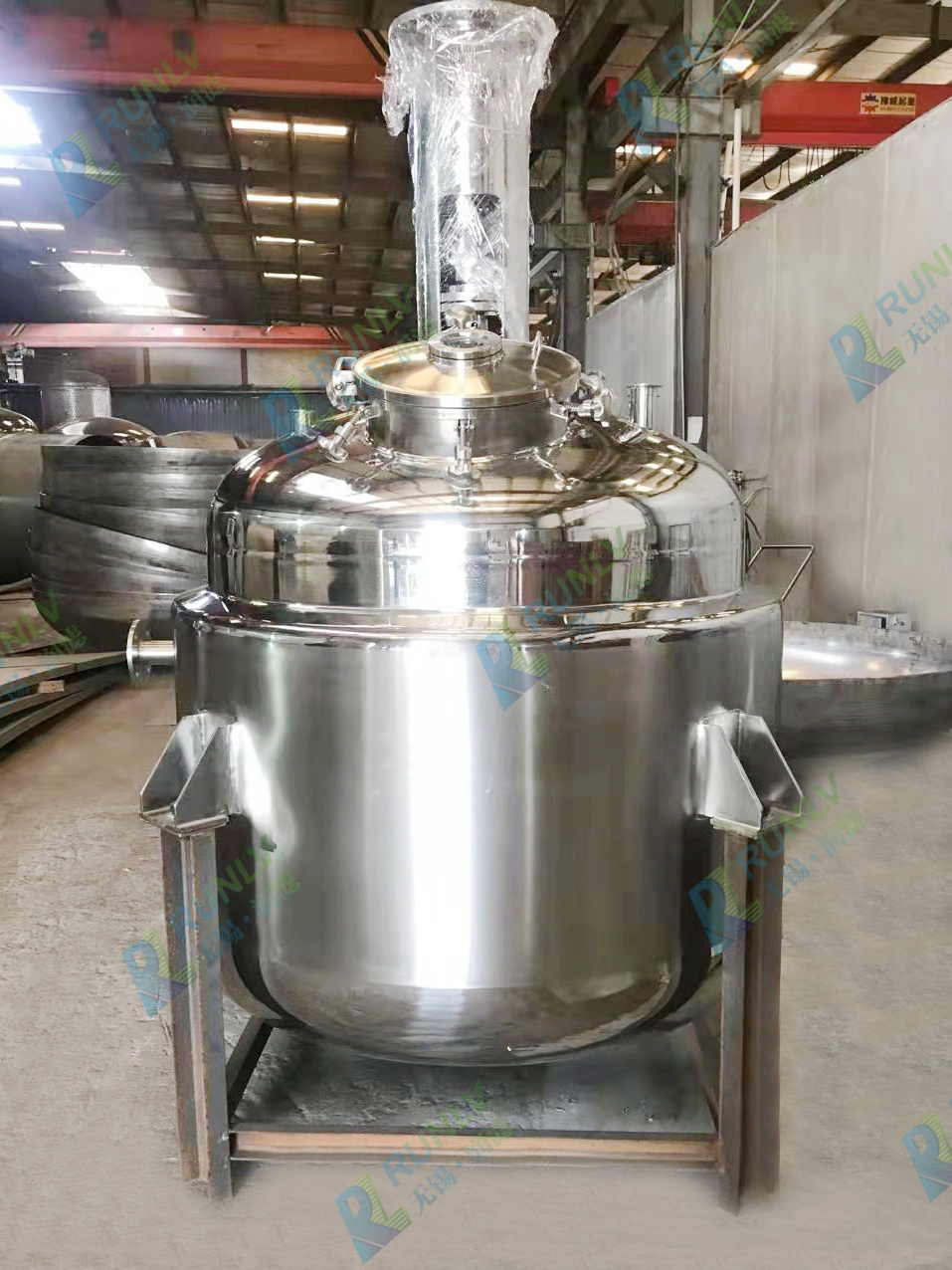

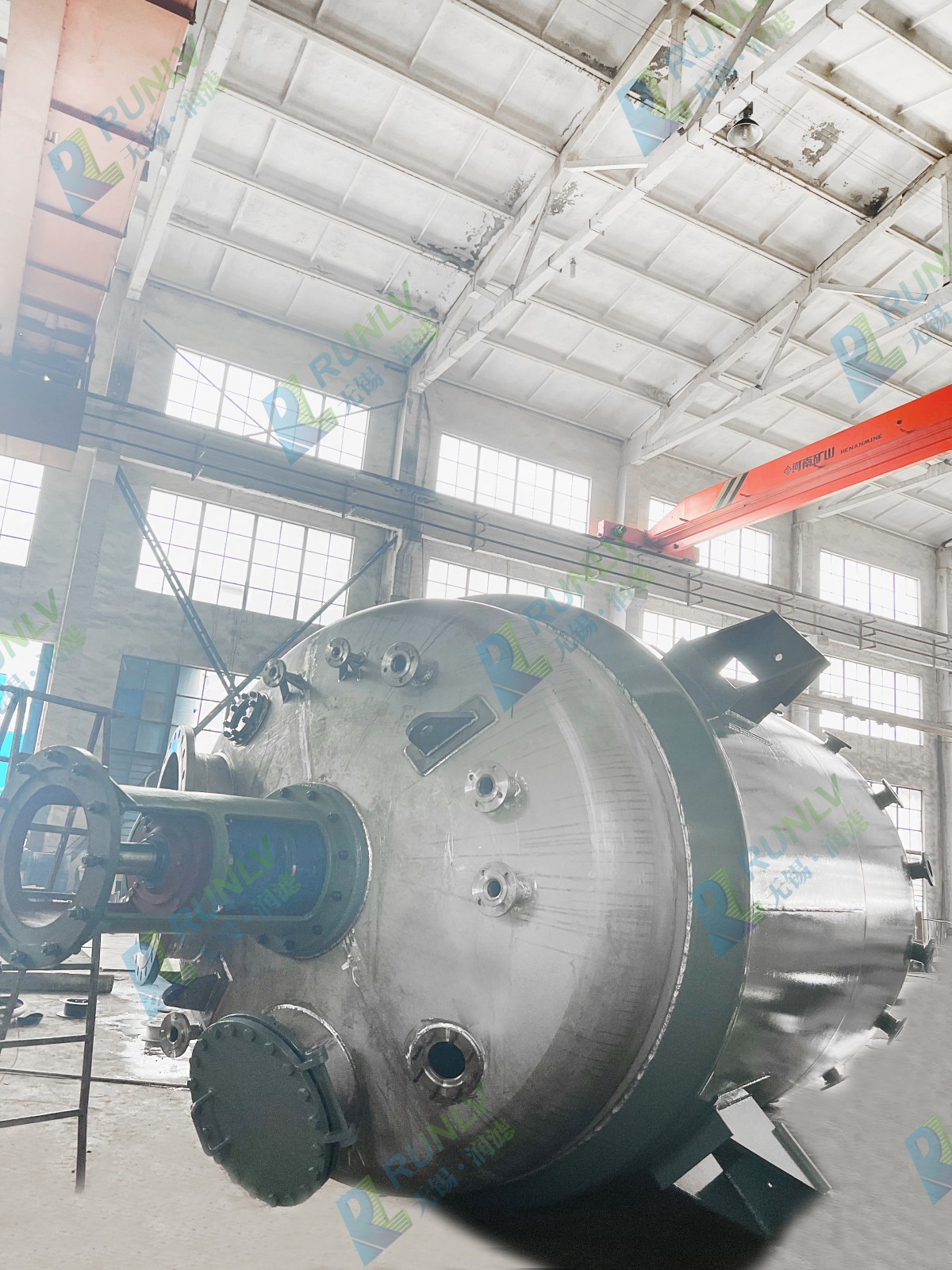
Introduction
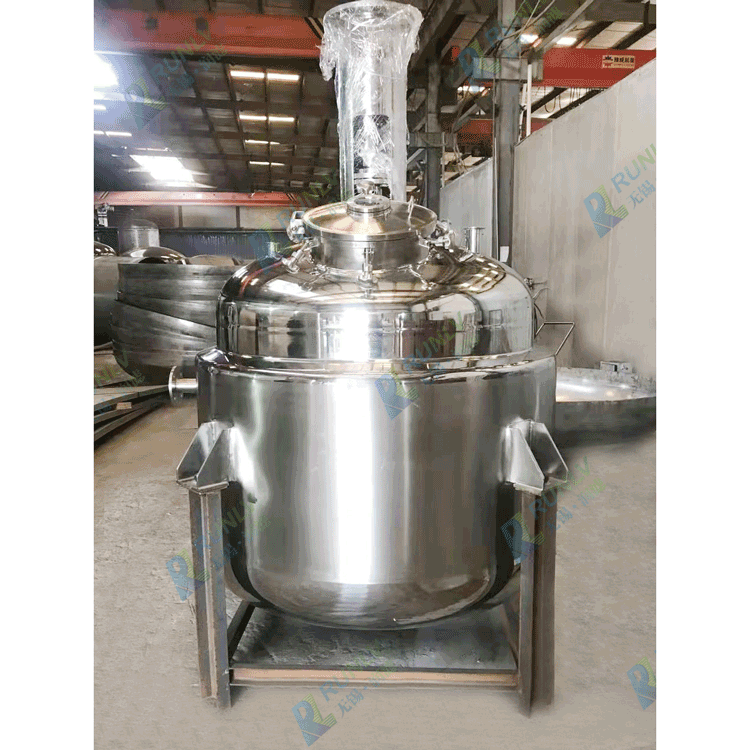
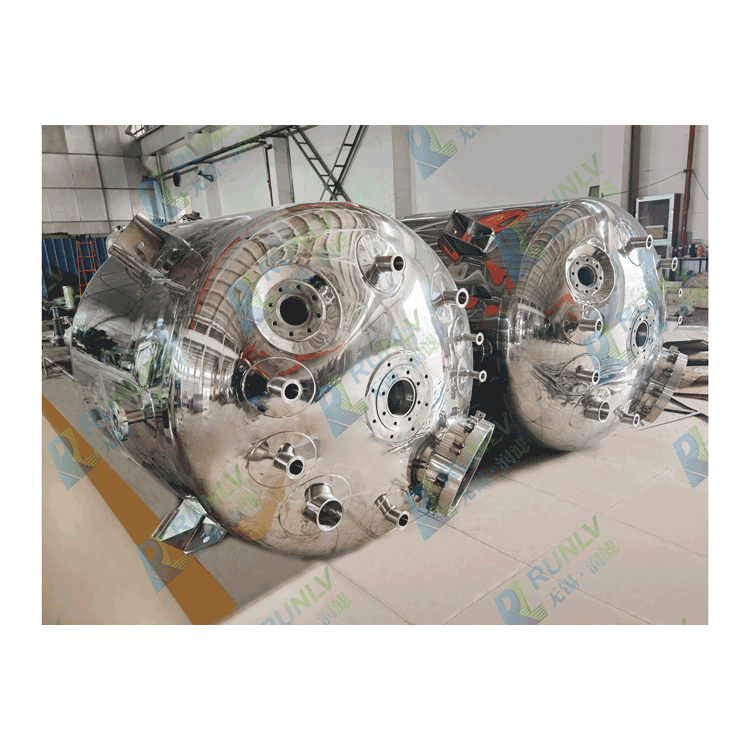
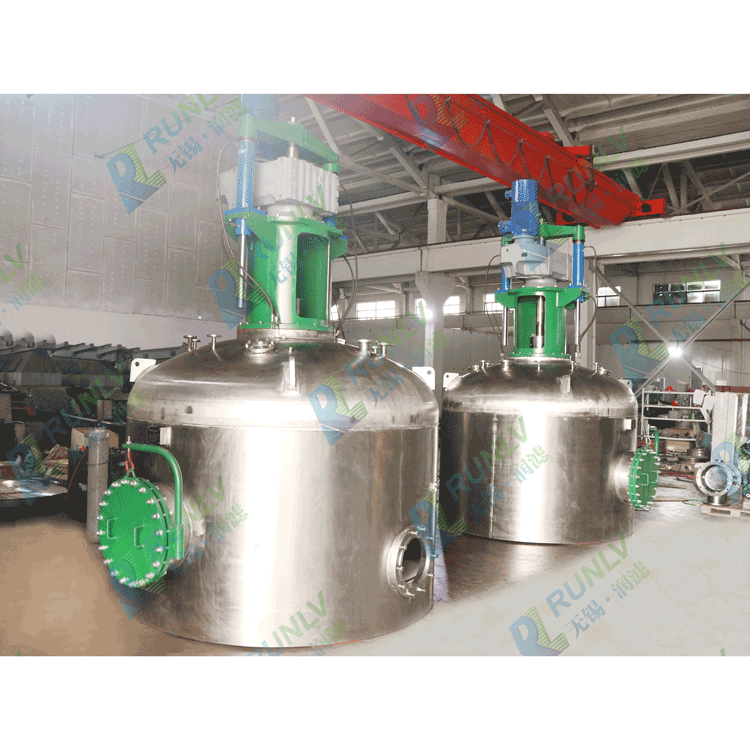
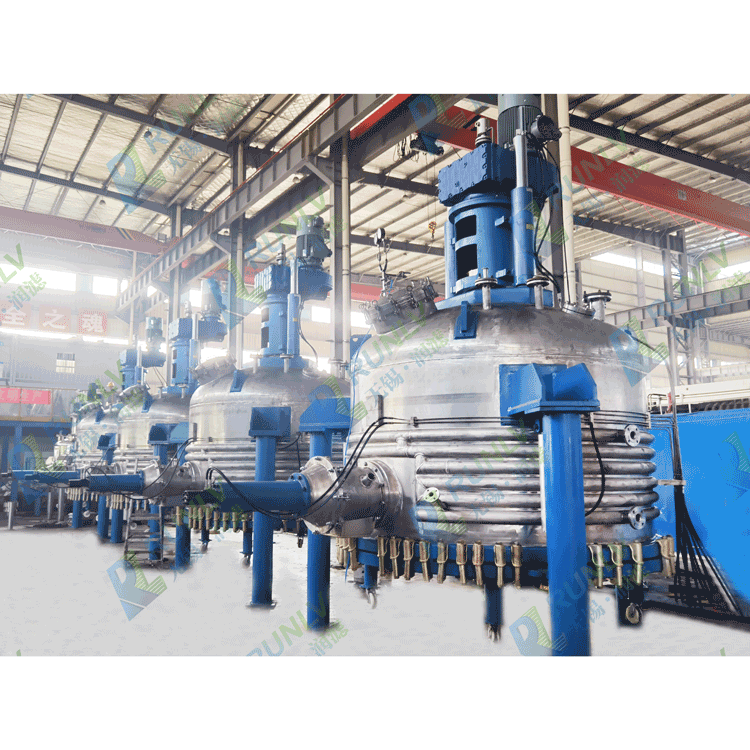
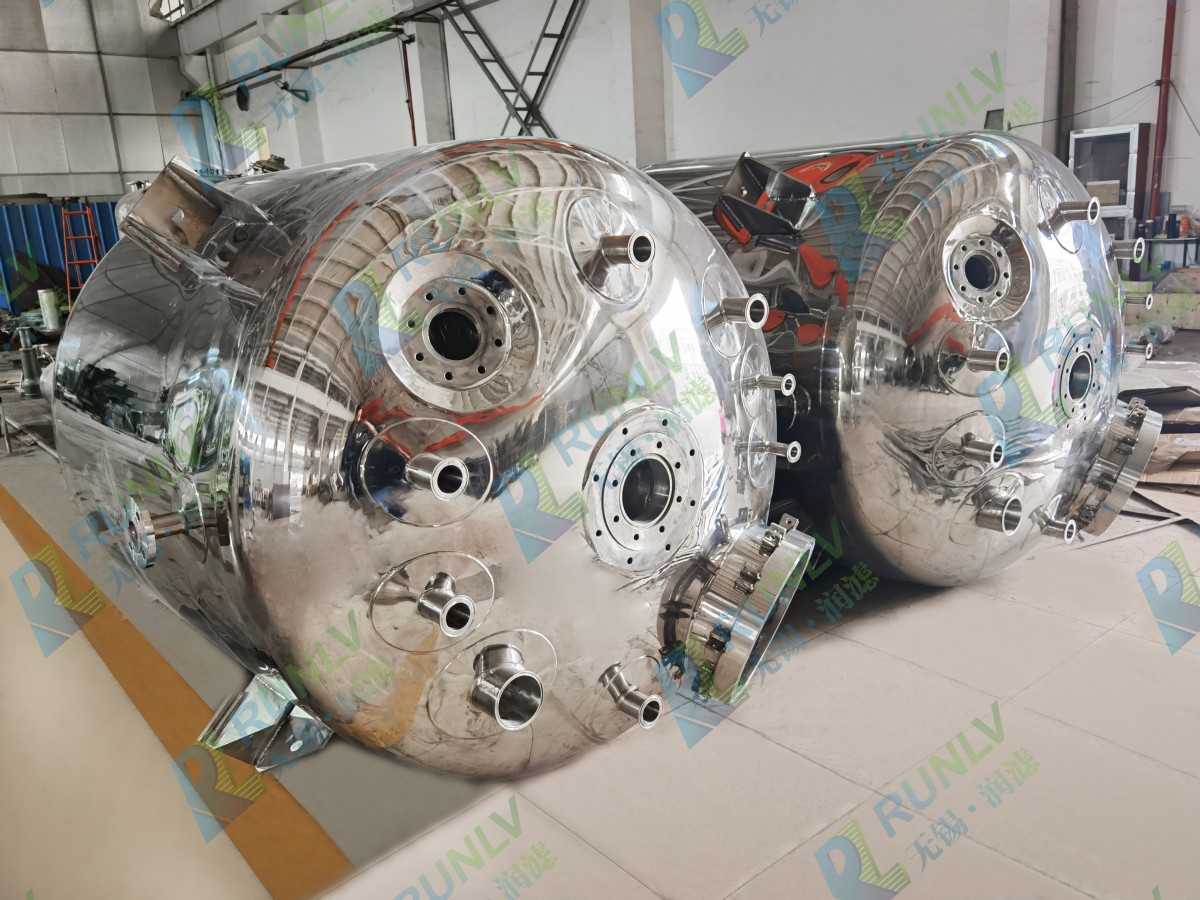
A broad understanding of a reaction kettle encompasses stainless steel vessels capable of physical or chemical reactions, designed with structural configurations and parameter settings tailored to various process requirements. The design, process, inspection, manufacturing, and acceptance must adhere to relevant technical standards to achieve the required heating, evaporation, cooling, and low to high-speed mixing and reaction functions. Stainless steel reaction kettles vary in design and parameters based on different production processes and operating conditions, indicating different structural styles and non-standard container equipment.
Operating Principle
The reactor is composed of the reactor body, lid, jacket, stirrer, drive unit, shaft seal, and support. For high aspect ratio reactors, multi-layer paddle blades can be used, or customized configurations can be selected according to customer requirements. The jacket can be placed externally on the reactor wall, or a heat exchange surface can be set inside. Heat exchange can also be achieved through external circulation. Support bases include pedestal and lug-type supports. Gear reducers should be used for speeds over 160 rpm. The number, size, or other specifications of the openings can be designed and manufactured according to customer requirements.
Product Features
1. Reaction Control Ability: The reactor features precise temperature and agitation control functions, enabling accurate control and adjustment of the reaction process to ensure the stability and consistency of reaction conditions.
2. Safety: Reactor vessels are typically designed with excellent sealing capabilities, effectively preventing the leakage or volatilization of reaction materials, thereby reducing the risks to operators and environmental pollution.
3. Scalability: Reactors typically feature adjustable capacity and flexible design, allowing for expansion or reduction as needed to accommodate various process scales and volumes.
4. Versatility: The reactor can be used for various chemical reactions, such as synthesis, dissolution, crystallization, evaporation, etc., and can also carry out reactions under special conditions like high pressure, high temperature, and low temperature.
5. Ease of Operation: Reactors are typically equipped with user-friendly control panels and displays, allowing operators to conveniently monitor and adjust the reaction process.
6. Corrosion Resistance: Reactors are typically made from corrosion-resistant materials such as stainless steel and fiberglass, capable of accommodating various corrosive reaction mediums and extending the lifespan of the equipment.
7. Energy Conservation: Reactors usually have good thermal insulation properties and energy recovery systems, which can effectively save energy and reduce energy consumption.
Application Scope
Suitable for high-temperature and high-pressure chemical reaction tests in the oil, chemical, metallurgy, scientific research, and higher education sectors. Used for processes such as hydrolysis, neutralization, crystallization, distillation, evaporation, storage, hydrogenation, hydrocarbonation, polymerization, condensation, heating and mixing, and isothermal reaction. It achieves high stirring effects for both thick and granular materials.
询价单


