


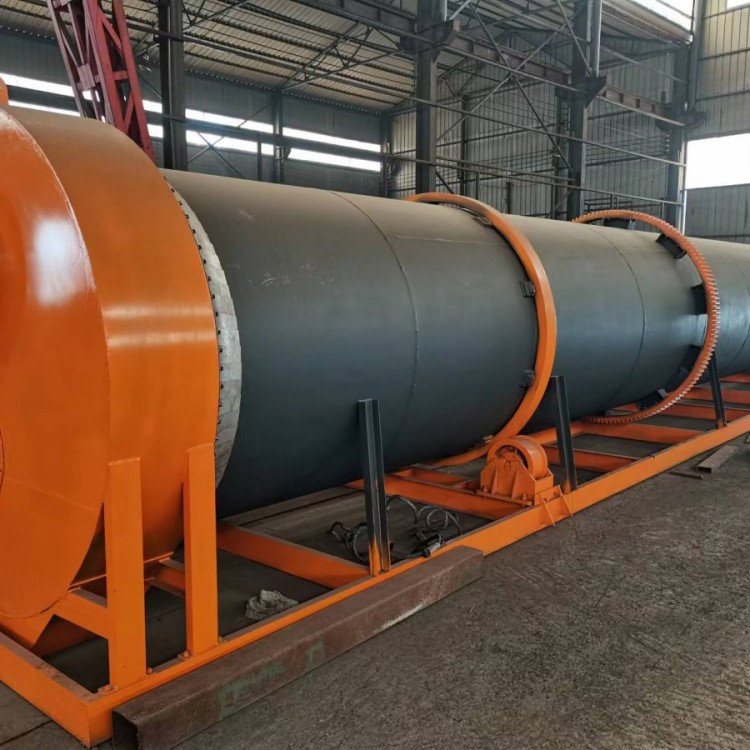
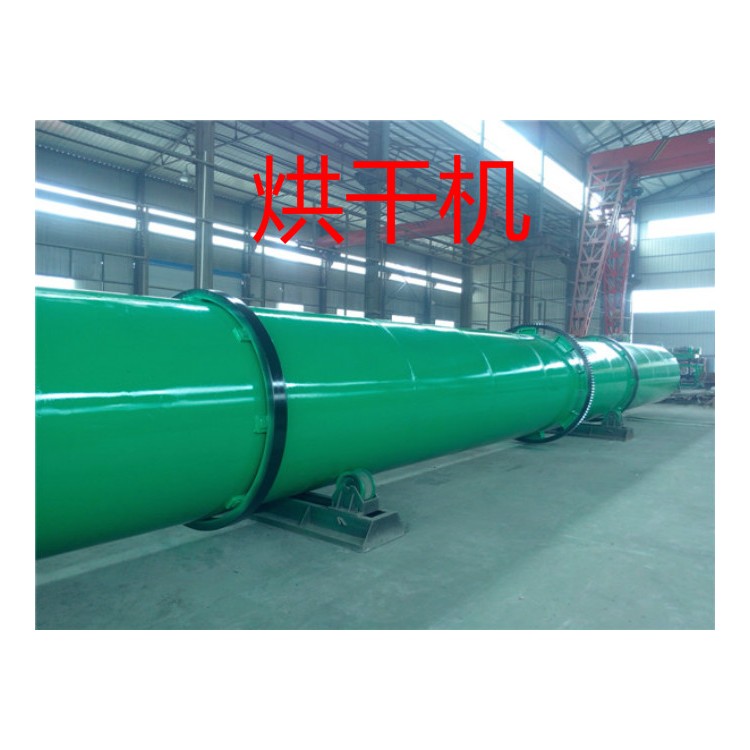
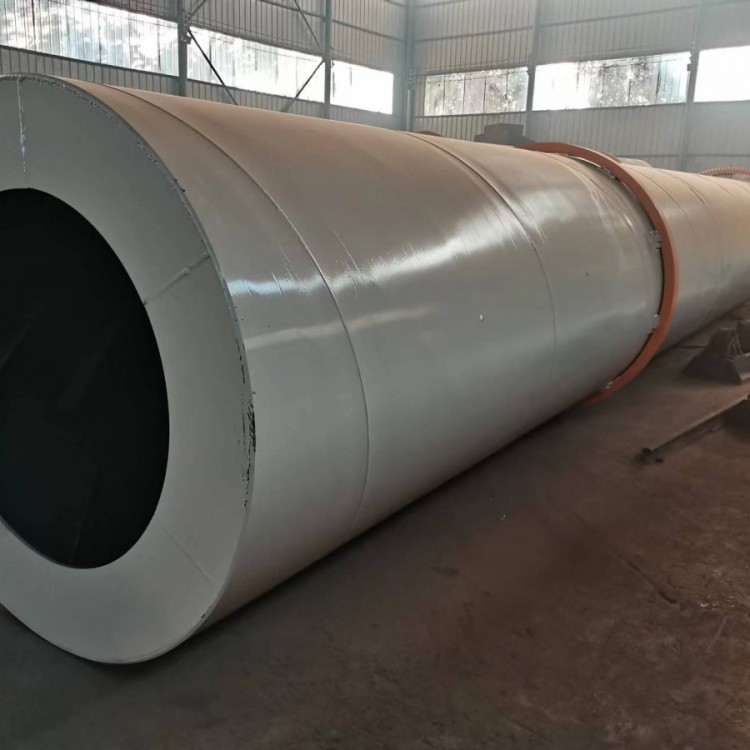
Drying machines are primarily used in sectors such as mining, metallurgy, and chemical industries to dry materials of specific humidity or particle size. The drying machines for organic fertilizer production equipment are widely applicable in industries such as organic fertilizer, chicken manure, sawdust, coal sludge, compound fertilizer, straw block fuel, charcoal machinery, wood chip granular fuel, sawdust block, and agricultural and pastoral engineering.
The dryer generates power through electricity, diesel, wind, and flammable material, utilizing ambient air to heat and distribute it throughout the surrounding area, thereby achieving the appropriate temperature for dehumidification processing.
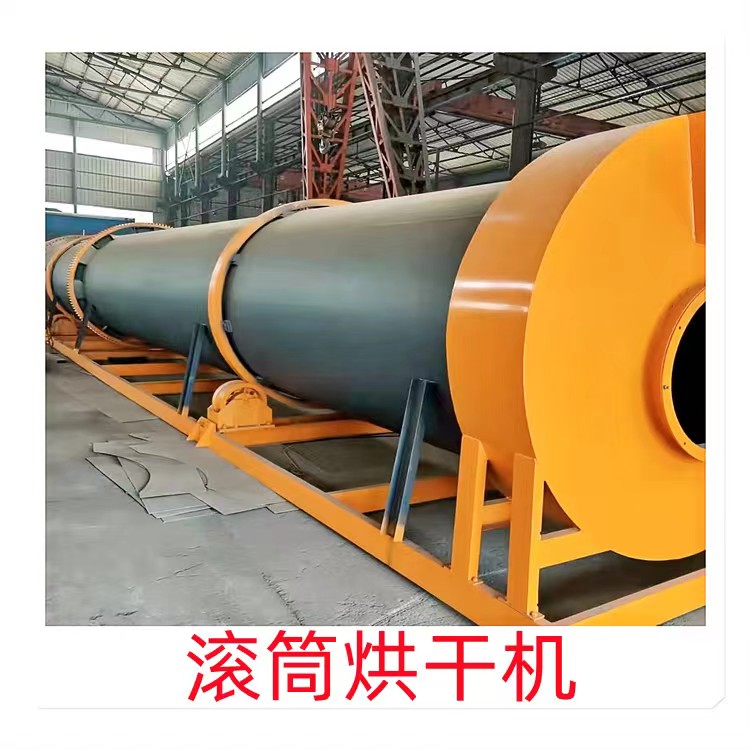
The specific process is as follows: Wet materials are conveyed to the hopper by a belt conveyor or a bucket elevator, and then they are transferred into the feeding end through the feeding pipe by the hopper's feeding machine. The slope of the feeding pipe must be greater than the natural angle of repose of the material to ensure smooth flow into the dryer. The dryer cylinder is a rotating cylinder slightly inclined from the horizontal line. Materials are added from the higher end, while the heat carrier enters from the lower end, coming into countercurrent contact with the material. There is also a case where the heat carrier and material enter the cylinder simultaneously. As the cylinder rotates, the material moves under gravity to the lower end. During the forward movement of the wet material inside the cylinder, it receives heat directly or indirectly from the heat carrier, allowing the material to dry. Then, the dried material is discharged through a belt conveyor or a screw conveyor at the discharge end. Scrapers are installed on the inner wall of the cylinder, which function to lift and sprinkle the material, increasing the contact surface area with the airflow to enhance the drying rate and promote material movement. Heat carriers are typically hot air, flue gas, and so on. After passing through the dryer, the gas usually requires a cyclone separator to collect the material carried by the gas. To further reduce the dust content in the exhaust gas, a baghouse filter or a wet scrubber should be used before discharge.
