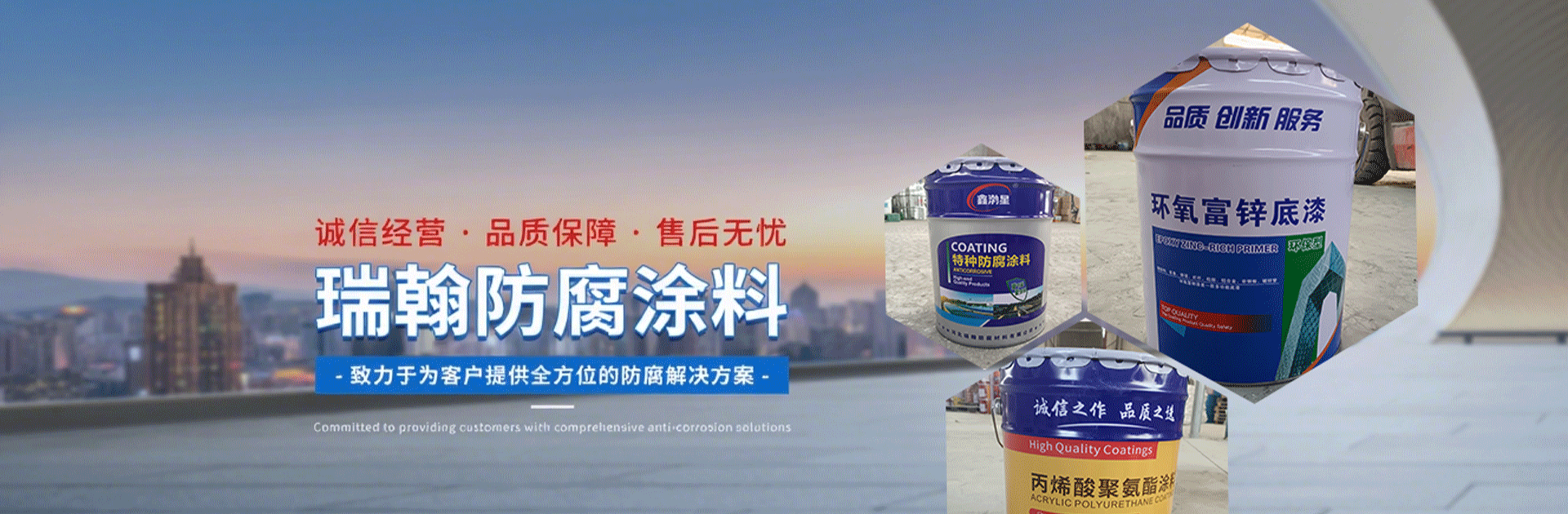
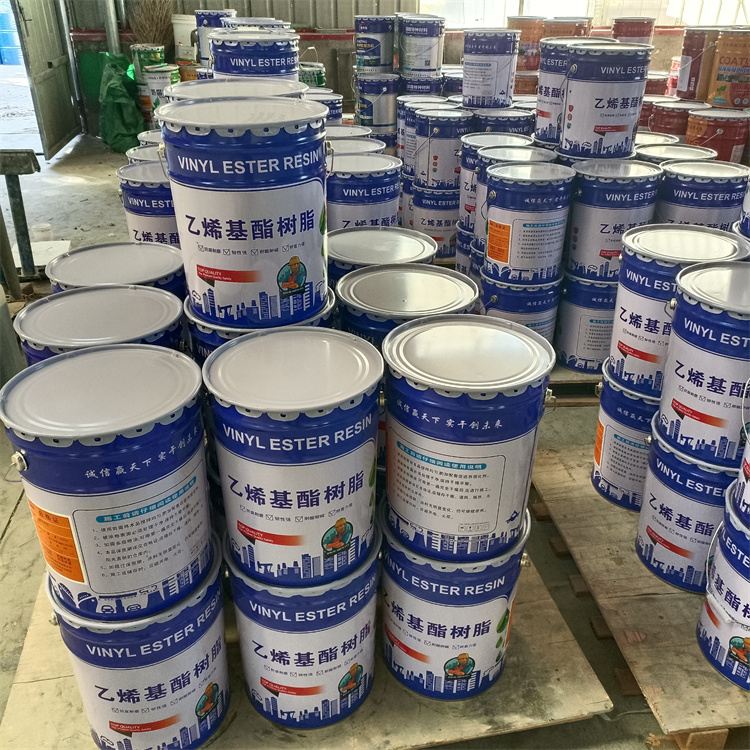
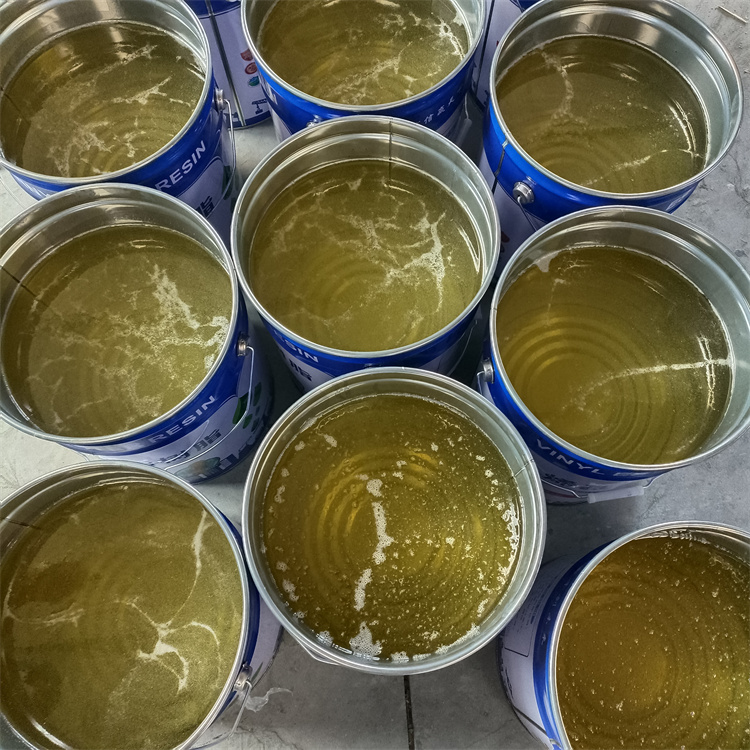
YanGel produces a range of high-quality anticorrosive and...

In the field of industrial corrosion prevention, the choice of coatings directly affects the lifespan of facilities and environmental safety. Water-based paints and oil-based paints, as the two main systems, each boasts unique properties and dominates different application scenarios. Color steel roof renovation paint and cyanogen-based waterproofing and anticorrosion coatings are representative products within these niches.
Environmental Protection and Construction: The Core Advantages of Water-Based Paint
Water-based paints use water as the dispersing medium.VOC emissions are just 1/10 of oil-based paints.Our product significantly reduces toxic gas pollution to both human health and the atmosphere at its source, making it particularly suitable for environments with strict environmental requirements, such as enclosed workshops and residential areas. Its ease of application is also noteworthy: it can be mixed with just water, without the need for specialized thinners; the coating typically dries to the touch within 1-2 hours, greatly shortening the construction timeline; and the tools are easy to clean, lowering overall construction costs.
Water-based paints have their drawbacks: they tend to produce whitened film and slow drying in low-temperature and high-humidity conditions; they require a higher cleanliness of the substrate surface, as residue oil can directly affect adhesion; overall, they have weaker solvent resistance and heat tolerance compared to oil-based paints, so caution is advised when used in environments with prolonged exposure to strong chemicals.
Water-based Paint for Color Steel Roofing: A Practical Choice
As an important member of the water-based paint family,Galvanized Steel Roofing Paint RenovationEngineered specifically for metal roof maintenance. It features:Acrylic AcidBased on a liquid base, this coating incorporates anti-rust pigments and weather-resistant additives. It effectively fills the fine cracks of color steel plates with its elastic film, and boasts excellent performance in resisting material fatigue caused by UV rays and temperature fluctuations, as proven by over 2000 hours of accelerated aging tests. This type of paint is particularly suitable for renovating large areas of color steel structures in factory workshops and warehouse ceilings, extending the service life of the base material by 3-5 years and achieving both aesthetic and protective effects through color matching.
Efficiency and Limitations: The Hardcore Performance of Oil-Based Paint
Oil-based paints use organic solvents as carriers, resulting in a high cross-linking density of the film.The acid and alkali resistance, as well as the salt spray resistance, are generally superior to water-based paint.In heavy-duty corrosion-resistant applications such as chemical storage tanks and marine engineering, it remains irreplaceable. The two-component oil-based paint forms a network structure through a chemical reaction between the hardener and the base agent, achieving a hardness of pencil hardness 2H or above, capable of withstanding heavy impacts and abrasion.
However, the environmental concerns with oil-based paints are always prominent: they require the use of a respirator during application, and the finished surface needs to be ventilated for several months to dissipate the odor; the waste from the paint is hazardous and costly to dispose of. Additionally, the application process is highly sensitive to environmental temperatures, with poor curing occurring below 5°C.
Cyanoacrylate Waterproof and Corrosion-Resistant Coating: The "Jack-of-All-Trades" for Oil-Based Paint
As an exemplar of two-component rigid oil-based coatings,Cyanoacrylate Waterproof and Corrosion-Resistant CoatingCombines both waterproof and anti-corrosion properties. It is made of cyanide-based materials.Acrylic AcidThe reaction between esters and polyisocyanates forms a seamless, rubber-like film upon curing, which maintains stability in temperatures ranging from -40℃ to 120℃. It exhibits adhesion to various substrates such as concrete and metal exceeding 5MPa, effectively preventing the penetration of acidic and alkaline mediums, and is suitable for a wide range of applications requiring high waterproofing and corrosion resistance.
From an environmental trend perspective, the application of water-based paints in light corrosion protection will continue to expand; while in heavy corrosion scenarios, oil-based paints will still hold a place due to their irreplaceable performance. Selection should consider the base material characteristics, environmental conditions, and environmental protection requirements, ensuring each layer of paint delivers protective value.


b2b.china9.net © Zhongshang 114 Hebei Network Technology Co., Ltd.Address: Room 6009, Oriental New World Center, No.118 East Zhongshan Road, Qiaoxi District, Shijiazhuang City, Hebei ProvincePlatform Service Hotline: 4006299930