

- AllProduct Category
-
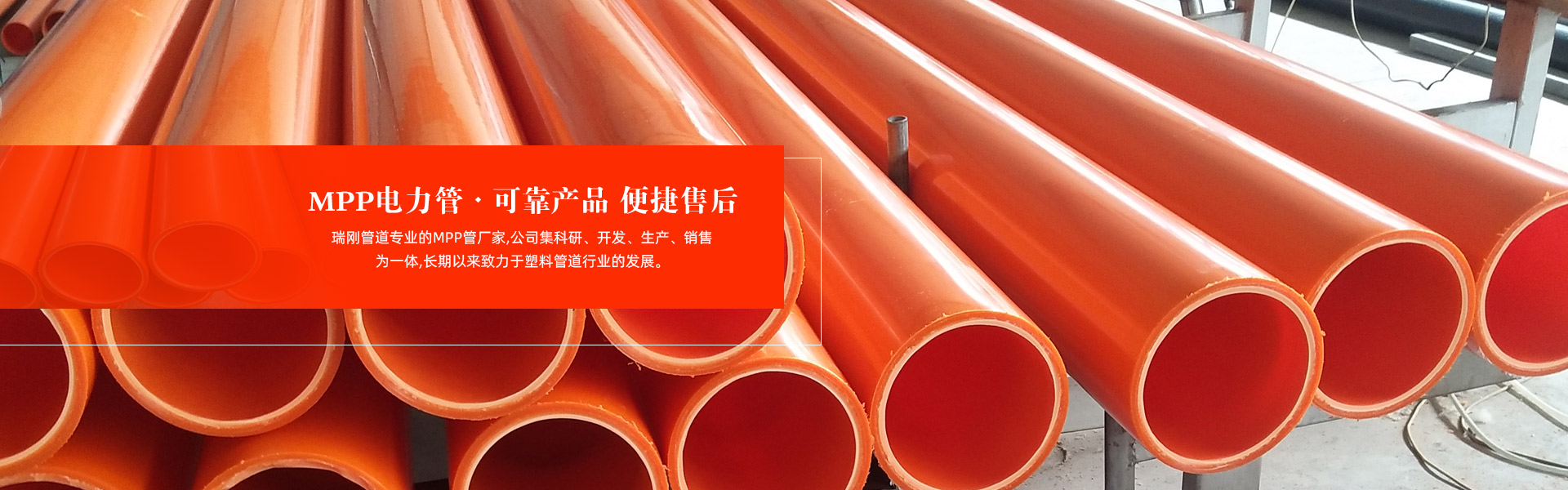
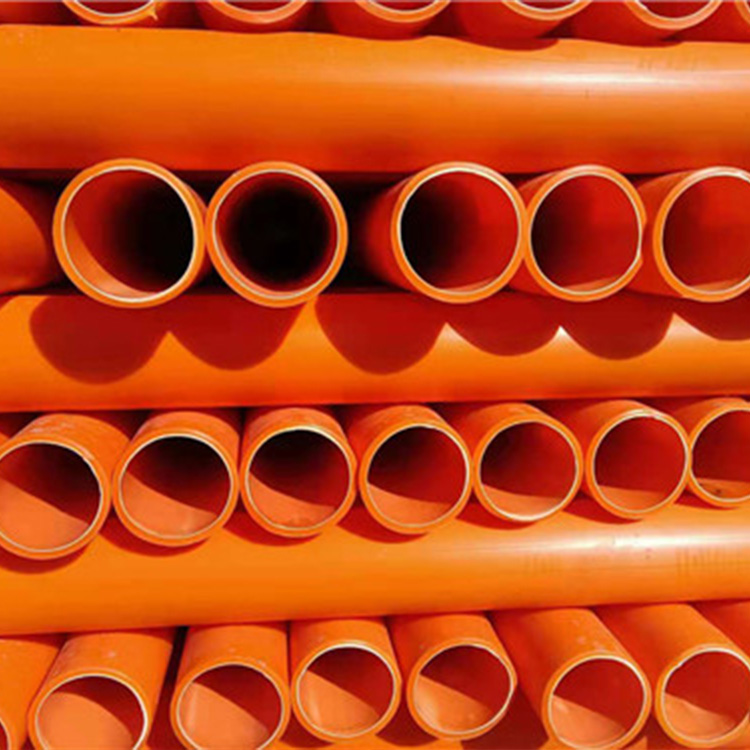
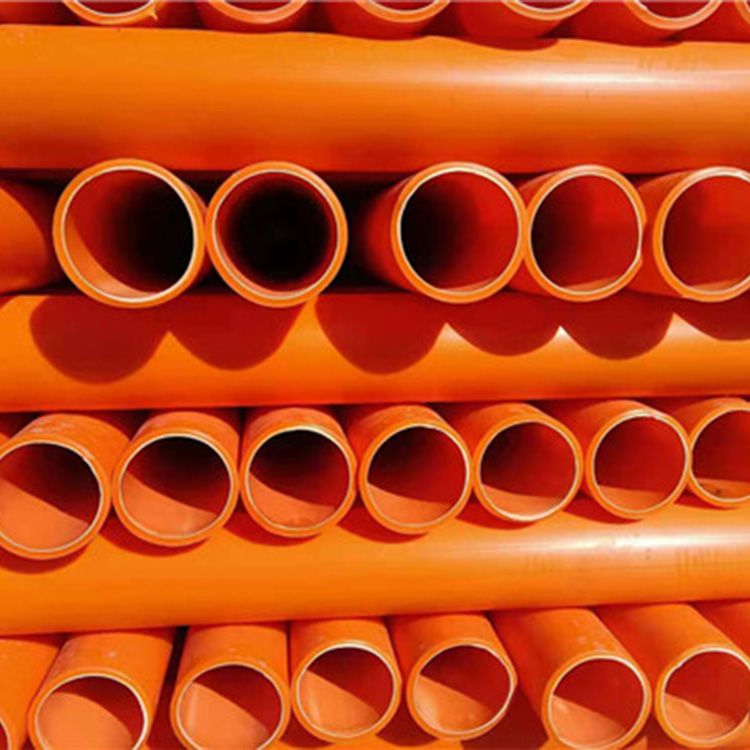
MPP Power Pipe
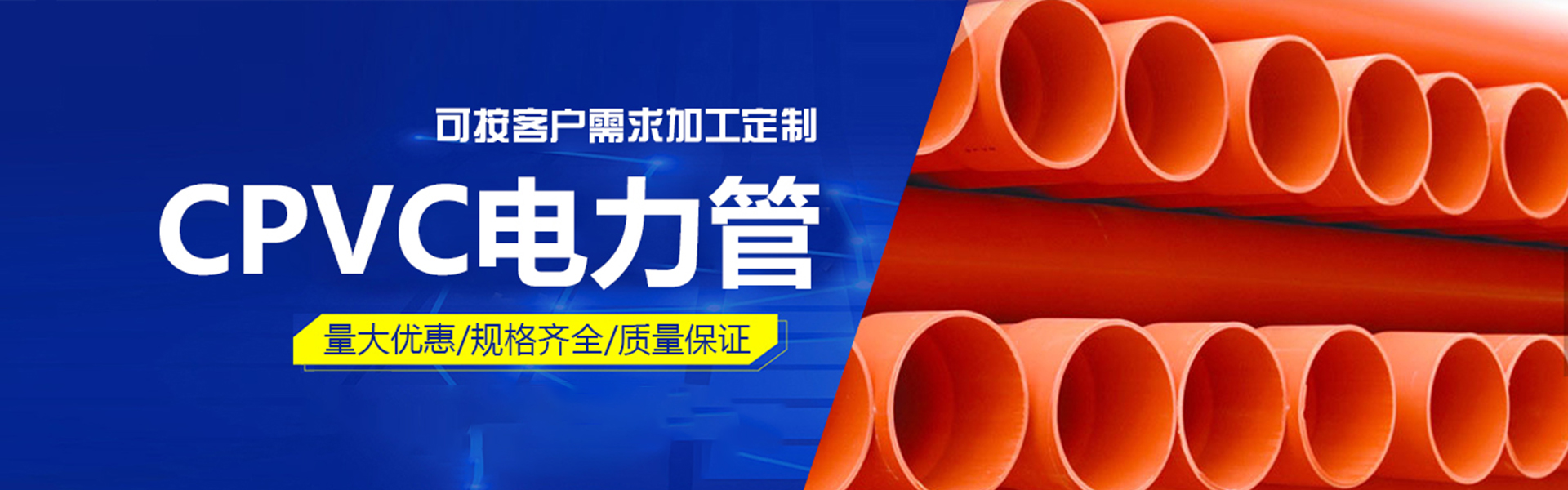
CPVC Power Pipe
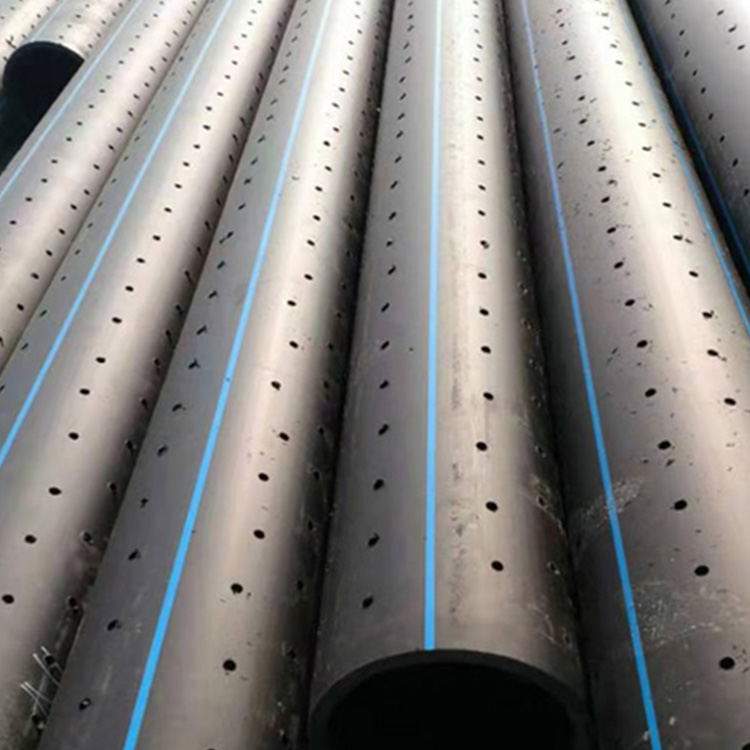
P.E. Pipe
Hot-Dip Galvanized Steel Pipe
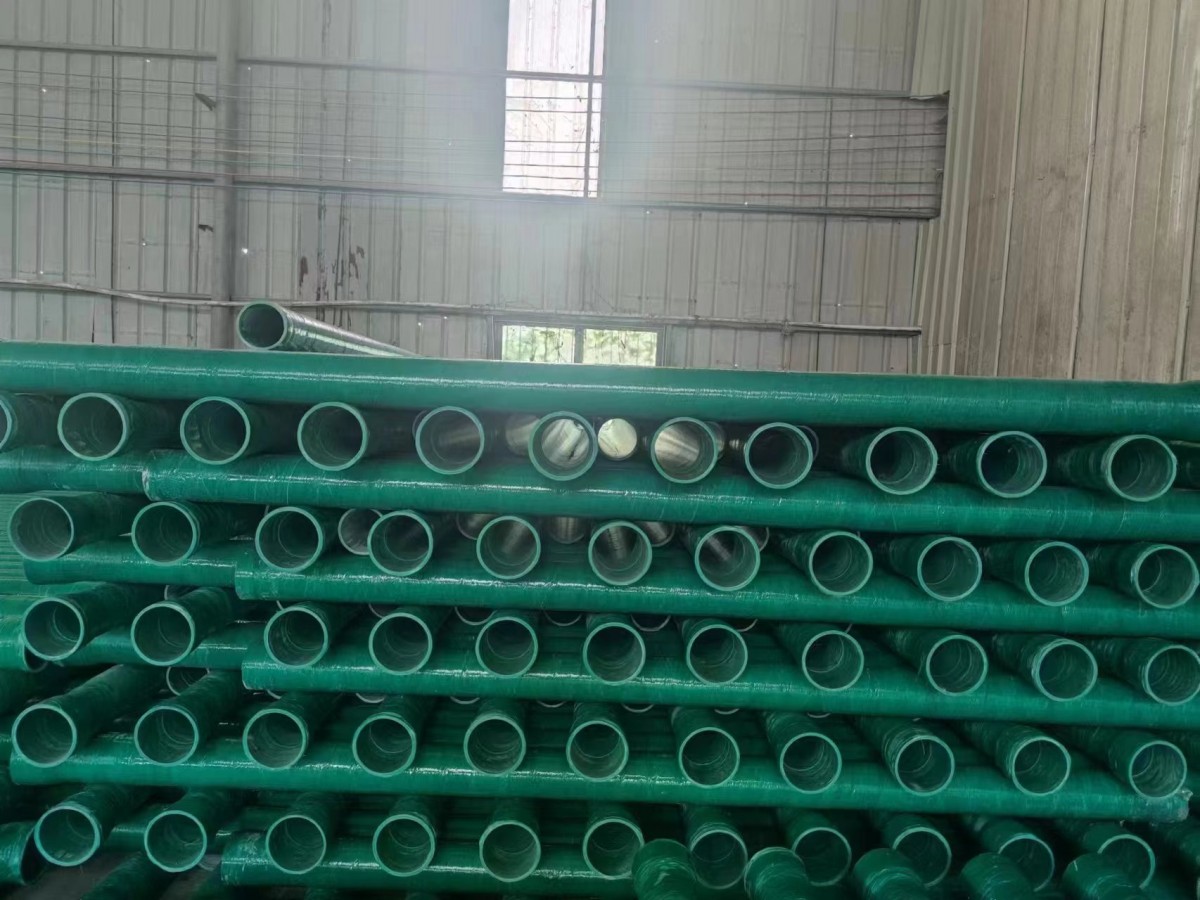
Glass Steel Pipe
Grille Pipe
Plum Blossom Tube
PVC-U Water Supply Pipes







详情描述
Difference between glass fiber cable conduit with and without filling:
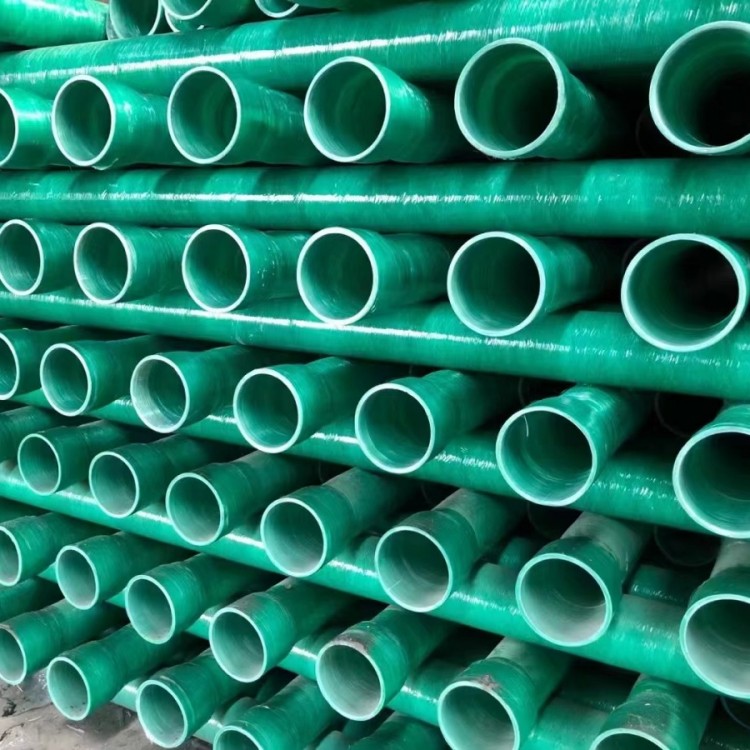
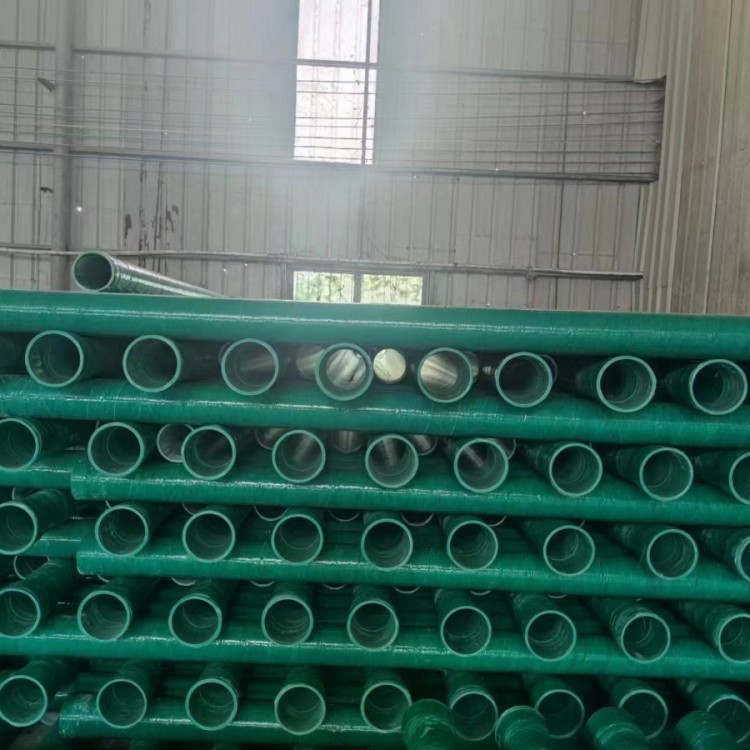
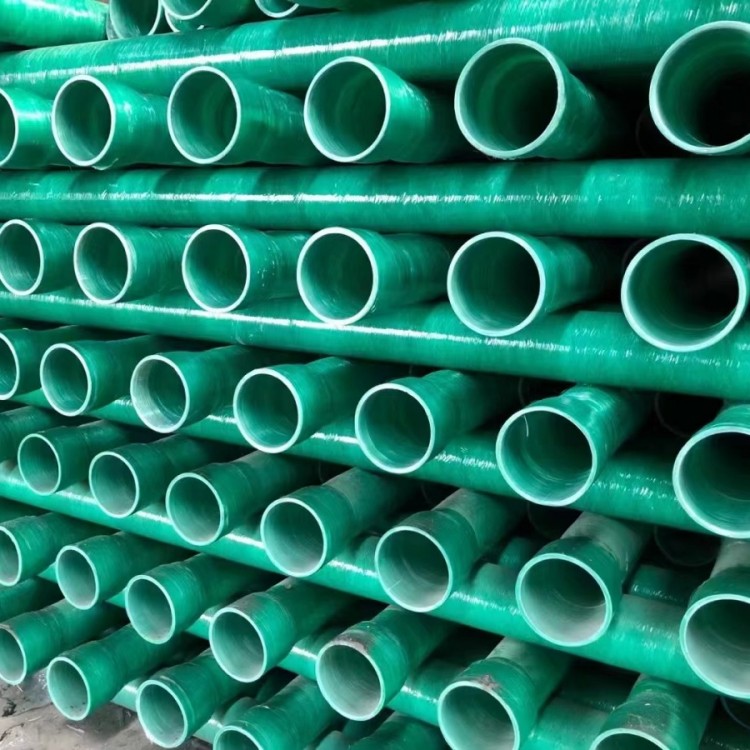
In fact, it involves adding a sand-filled layer in the middle when manufacturing fiberglass reinforced plastic (FRP) pipes, with the purpose of enhancing the pipe's rigidity. The decision to include a sand-filled layer in the design is based on the pressure and rigidity requirements of the pipe. Generally, sand-filling is not necessary if the pipe's thickness can meet both pressure and rigidity requirements. If the thickness of the FRP cable conduit can meet the pressure requirements but not the rigidity requirements, sand-filling is chosen to increase thickness and satisfy the rigidity (of course, one could also increase thickness without sand-filling to meet rigidity requirements, but that would be much more costly). Compared to FRP pipes, sand-filled FRP pipes only have an additional sand-filled layer, which can be understood as replacing glass fiber with quartz sand. Sand-filled pipes of the same thickness are cheaper than FRP pipes, but they have lower strength; conversely, FRP pipes are stronger but more expensive.
Features of Unfilled Glass Fiber Cable Conduit:
Excellent corrosion resistance. Due to the main raw materials of glass fiber reinforced plastic (GFRP) being unsaturated polyester resin and glass fiber, it can effectively resist corrosion from acids, bases, salts, untreated domestic wastewater, corrosive soil, chemical wastewater, and numerous chemical liquids. Generally, it can maintain the safe operation of pipelines for a long time.
2. Excellent aging and heat resistance. The glass steel pipe can be used for long periods at temperatures ranging from -40℃ to 70℃, and a special high-temperature resin formula allows for normal operation above 200℃. For pipes used outdoors over a long term, an ultraviolet absorbent is added to the outer surface to eliminate radiation from UV on the pipe and slow down the aging of the glass steel pipe.
3. Excellent frost resistance. The pipe will not crack after freezing when the temperature drops below -20℃.
4. Lightweight, high strength, and easy to transport. Glass steel pipes are not only lightweight, strong, and highly malleable, with ease of transportation and installation, but also facilitate the installation of various branch pipes, featuring simple installation techniques.
5. Excellent hydraulic conditions. Smooth inner walls, strong conveying capacity, no scaling, no rust, and low water resistance.
6. Excellent design flexibility. Glass steel pipes can be customized to meet various specific user requirements, such as different flow rates, pressures, burial depths, and load conditions, resulting in pipes with different pressure and stiffness grades.
7. Low maintenance costs. Due to the properties of corrosion resistance, wear resistance, frost resistance, and anti-soiling, glass steel pipes do not require anti-rust, anti-soiling, insulation, or thermal insulation measures and maintenance. No cathodic protection is needed for buried pipes, which can save over 70% of maintenance costs for the project.
8. Excellent wear resistance. Conducted a rotational wear impact test by filling the pipe with water containing a large amount of mud and sand. After 3 million rotations, the wear depth on the inner wall of the pipe was measured as follows: 0.53mm for steel pipes coated with tar and porcelain enamel, and coated with epoxy resin and tar.
9. Excellent electrical insulation. Glass fiber reinforced plastic (FRP) is a non-conductor, with exceptional electrical insulation properties for pipes, featuring insulation resistance ranging from 10^12 to 10^15 Ω.cm. It is particularly suitable for transmission lines, dense telecommunications networks, and regions prone to lightning strikes. The heat transfer coefficient of FRP is very low, at only 0.23, which is one-fifth that of steel, making it excellent for pipe insulation.
10. Low friction resistance with high conveying capacity. The inner wall of glass steel pipes is extremely smooth, with minimal roughness and frictional resistance. The roughness coefficient is 0.0084, while the concrete pipe's n value is 0.014, and cast iron pipe's is 0.013. Therefore, glass steel pipes can significantly reduce fluid pressure loss along the pipeline, enhancing conveying capacity. This leads to substantial economic benefits: for the same conveying capacity, smaller inner diameter glass steel pipes can be chosen for the project, thereby reducing initial engineering investment; using pipes of the same inner diameter, glass steel pipes can reduce head loss compared to other materials, saving pumping costs. Moreover, glass steel pipes can shorten pumping time and reduce long-term operating expenses.

询价单


