


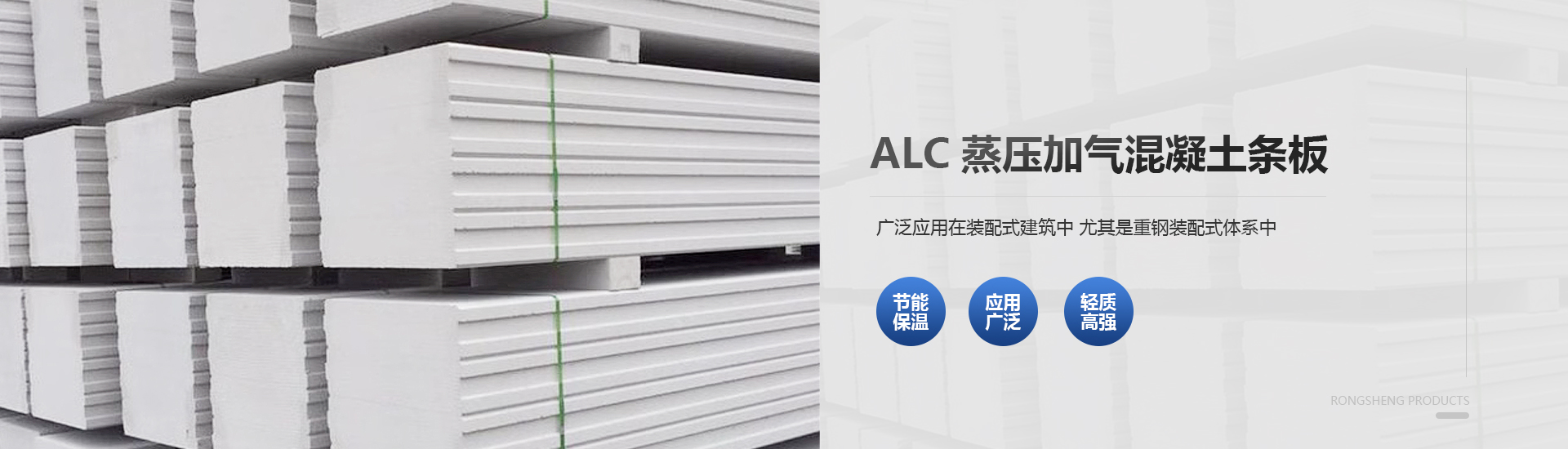

Alc boards offer excellent resistance to penetration. Do you still need to do additional waterproofing work after using Alc boards? Let's explore the waterproofing construction techniques for Alc boards with the editor.
The ALC board products are formed by foaming, with independently sealed and uniformly sized air pores measuring 1mm in diameter, effectively preventing water diffusion. The use of adhesive masonry effectively stops water leakage through the joints. The wall's water resistance is 85% higher than that of common clay bricks.
The above details the waterproof performance of the ALClad board. When using this ALClad board for partition walls in bathrooms and kitchens, due to the environmental waterproofing requirements, a standard waterproofing technique (applying a waterproofing layer) should be applied during the panel treatment process as per conventional design specifications, without any special construction techniques required.
The general construction process involves applying a bonding agent, followed by mortar, applying a waterproofing layer, more mortar, and finally tiling. Therefore, ALC panels are a convenient material, as they do not require additional waterproofing construction techniques in a single installation, as the ALC boards themselves have excellent waterproofing capabilities.
