


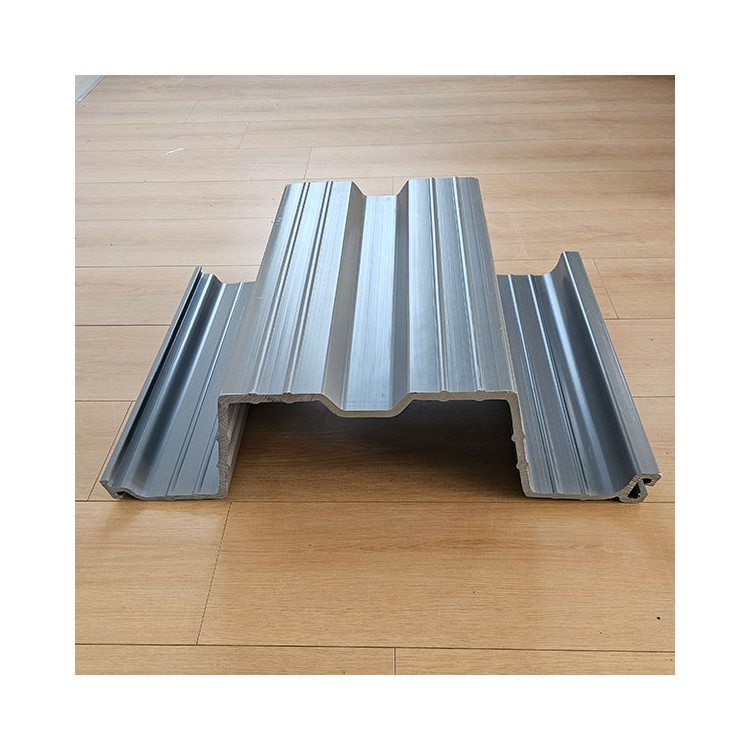
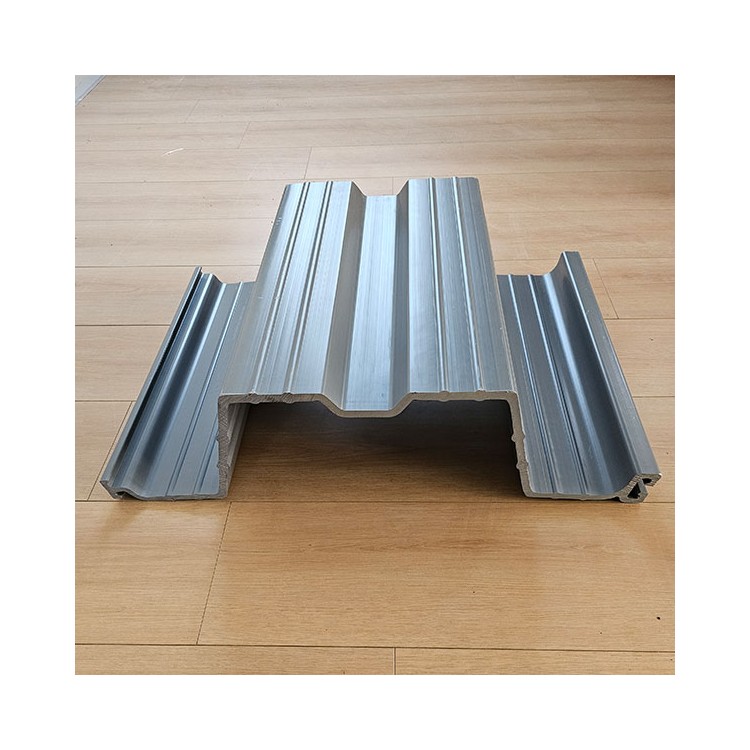
Steel-plastic sheet piles are currently widely used and promoted both domestically and internationally. Domestically, their applications have expanded to include building construction, bridges, tunnels, water conservancy projects, and more, gaining increasing recognition and popularity. Abroad, their use is extremely common, particularly in developed countries and regions such as Europe, North America, and Japan, where steel-plastic sheet piles have become one of the mainstream building materials.
High-density polyethylene plastic sheet piles are a fast, efficient, and environmentally friendly form of pile foundation. They are lightweight, with high strength and excellent waterproofing properties; they are corrosion-resistant, have strong weather resistance, and a long service life; they are reusable and recyclable; and they comply with the national policy of promoting new materials that "replace steel with plastic" and "replace wood with plastic" for energy conservation and environmental protection. The products are produced on an industrial scale and constructed with machinery, resulting in high efficiency and short construction periods (one thirty-first of traditional stone embankment construction) and low construction costs (two-thirds of traditional stone embankment construction, half of steel sheet pile construction). High-density polyethylene plastic sheet piles address the shortcomings of traditional concrete slope protection projects, which include large amounts of earthwork, long construction periods, high labor intensity, high costs, and difficulty in reinforcement and repair, as well as the issues with steel sheet piles that they are prone to corrosion and rust, are not environmentally friendly, and have high construction costs. They can be widely used in the construction and maintenance of irrigation channels, waterways, small and medium-sized reservoir embankments in agricultural water conservancy; in construction projects for foundation support, slope protection, retaining walls, fences, flower beds, waterproof walls, cofferdams, ground treatment, underground parking lots, artificial lake shores, and wastewater treatment; in traffic engineering for roadbed protection, underground tunnels, culverts, pipeline laying, road construction, ports and harbors, and shipyard construction; in disaster prevention and mitigation projects for flood and waterlogging prevention, embankment reinforcement and heightening, slope prevention, leakage prevention, mudslide prevention, and wind and sand prevention; and in marine development for embankment construction, wave barriers, aquaculture, and the construction of salt and alkali land aquaculture bases. High-density polyethylene plastic sheet piles are currently widely used in many developed countries, including Canada, the United States, the United Kingdom, Germany, Poland, and more.
