


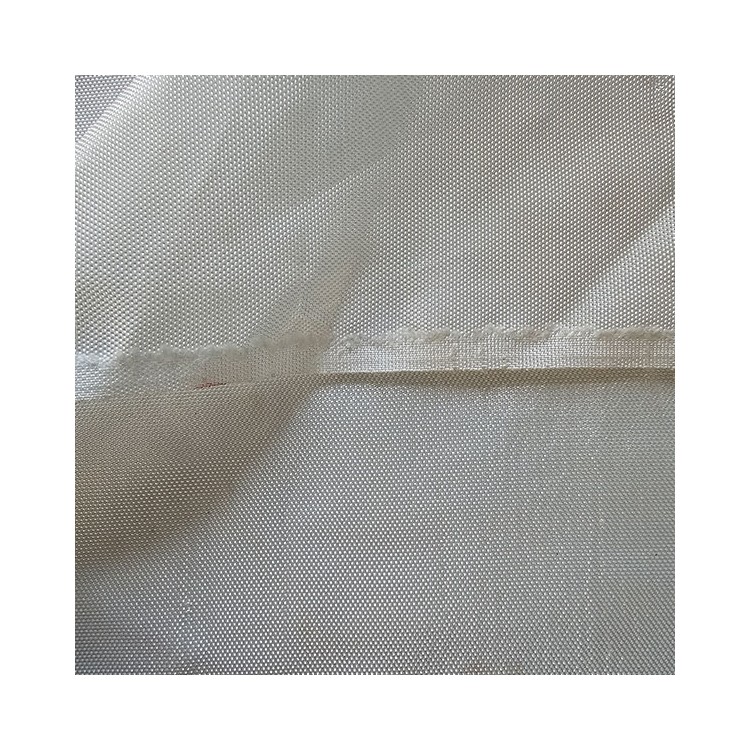
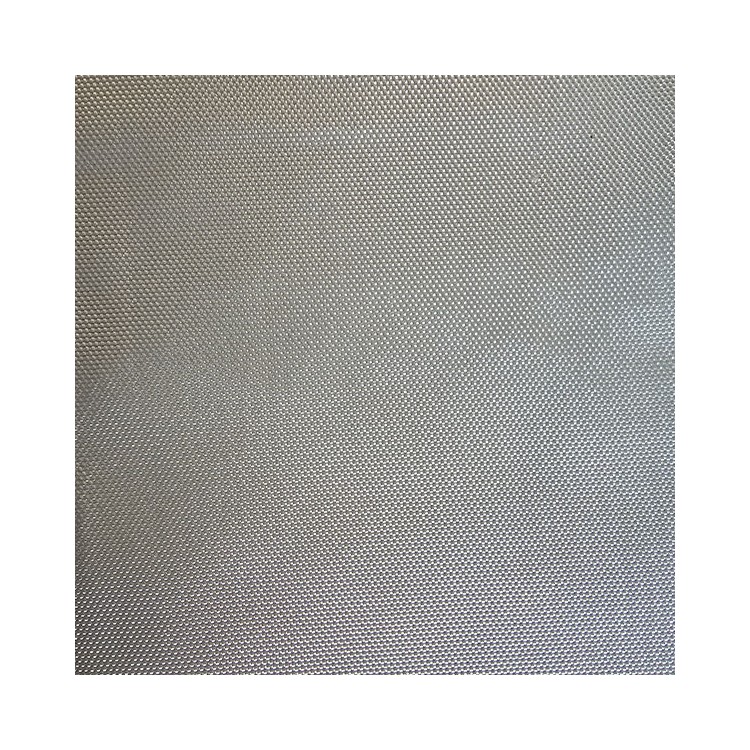
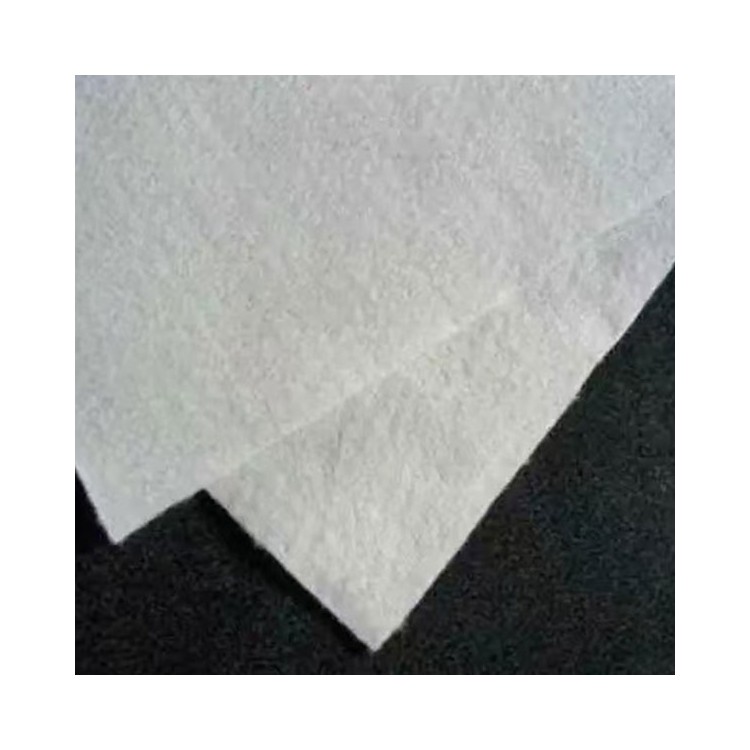
Long-fiber woven geotextile: 1. High tensile, tear, puncture, and abrasion resistance; twice the strength of equivalent weight short fiber geotextiles. Particularly, the puncture and abrasion resistance reaches over 2200 Newtons, effectively preventing irregular stone impacts on the fabric surface in block stone slopes.
2. Excellent extensibility, quick stress dispersion and transmission, ensuring even load distribution.
3. High coefficient of friction, making it less prone to sliding during installation.
4. Excellent chemical resistance.
5. Corrosion-resistant
Usage
(1) Reinforcement for soil retaining wall backfill, or for anchoring retaining wall panels. Construction of wrapped retaining walls or bridge abutments.
(2) Reinforce flexible road surfaces, repair cracks on the road, and prevent reflective cracks from forming.
(3) Enhance the stability of rockfill slopes and reinforced soil, prevent soil and water erosion, and protect against frost damage to soil during cold temperatures.
(4) The isolation layer between the road base and the subgrade, or between the subgrade and the soft subgrade.
(5) Soil filling, rock or material stockpiling isolation layer from foundation, insulation between different frozen soil layers, filter and reinforcement functions.
(6) Filter layers in the upstream embankment surface of ash or tailings dams, and in the drainage system of backfill soil in retaining walls.
(7) Filter layer around the drainage pipe or around the gravel drainage trench.
(8) Filter layers for water wells, relief wells, or inclined pressure pipes in hydraulic engineering.
(9) Geotextile separation layers between road, airport, railway ballast, and artificial mounds and fill.
(10) Internal vertical or horizontal drainage of embankment, buried in soil to dissipate void water pressure.
Drainage behind or beneath the concrete facing in a soil dam or embankment, where a waterproof geomembrane is installed.
(12) Exclude water leakage around the tunnel, alleviate the external water pressure on the lining, and reduce water leakage around each building.
(13) Drainage for fill soil foundation ground for athletic fields.
(14) Used to reinforce soft foundations in road projects (including temporary roads), railways, embankments, earth and rock dams, airports, sports fields, etc.
