
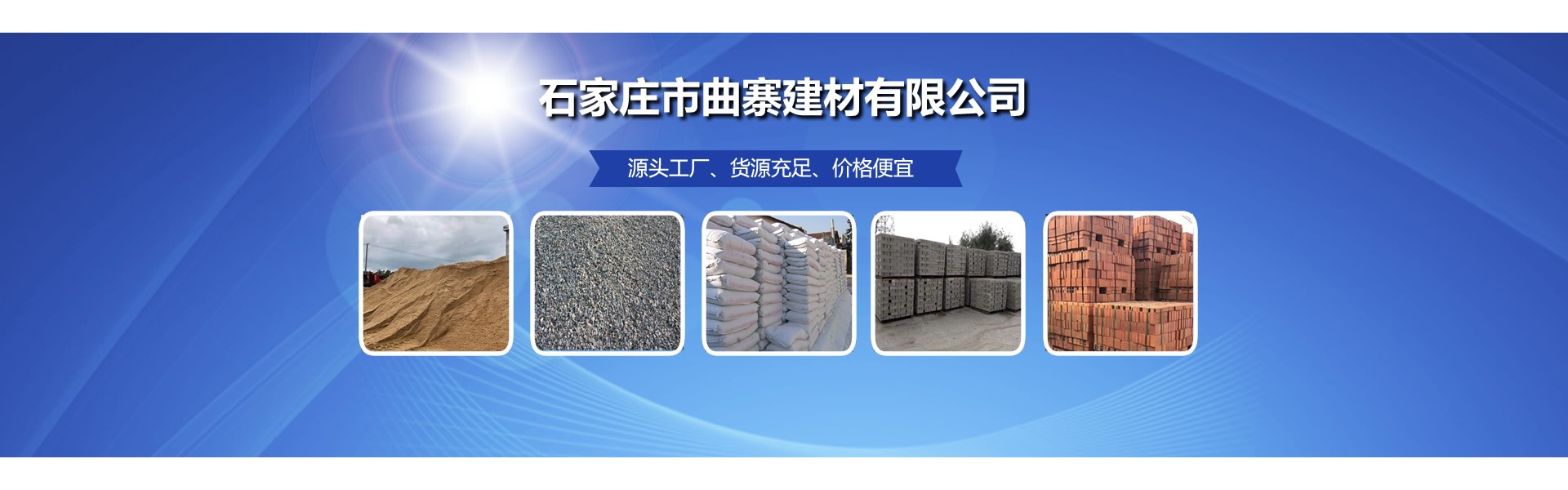

There are several raw materials used in the firing of red bricks.
1.Riverbed silt
2.Shale,
3.Coal gangue
4.Fly ash
Common types generally include these, but the specifics vary by location.
1Most are fired clay bricks, commonly referred to as clay bricks, which are made from clay as the main raw material through mixing, molding, drying, and firing.(Symbol:N)There are red bricks and blue bricks available.
When fired in an oxidizing atmosphere within the kiln, the bricks produced are red bricks. If the bricks are fired in an oxidizing atmosphere first and then subjected to a reduction atmosphere in the kiln, it promotes the reduction of the red, high-valent iron oxide within the bricks to a blue-gray, low-valent iron oxide. The bricks thus produced are blue bricks. Blue bricks are more durable than red bricks, with better alkaline resistance and longevity. However, they are also more expensive than red bricks.
Sintered clay bricks are further categorized into end-fired and side-fired bricks based on the method of firing. End-fired bricks involve mixing combustible industrial waste such as coal slag and fly ash into the clay raw materials used for making bricks. Once the brick dough is fired in the kiln to a certain temperature, the fuel within the dough burns and hardens into a brick. End-fired bricks significantly reduce the external coal consumption and save on clay raw materials compared to side-fired bricks.5No Chinese content provided for translation.10No Chinese content provided.20Approximately 30%, the apparent density of the bricks decreases, while their sound insulation and thermal insulation properties are enhanced.
The firing temperature of brick坯 must be controlled appropriately to avoid underfired and overfired bricks. Underfired bricks are characterized by light color, dull sound upon striking, low strength, high water absorption, and poor durability. Overfired bricks are darker, with a crisp sound when struck, higher strength, and lower water absorption, but are more prone to warping and deformation. Both underfired and overfired bricks are considered不合格 products.
Most brick and tile factories in various regions use the internal combustion method for firing.
2Technical Properties of Sintered Common Bricks
(1Basic Physical Properties: The standard external dimensions for fired common bricks are:240*115*53Micrometers, plus10Millimeter masonry joint4Block brick length or8 No Chinese content provided.16No Chinese content provided, please submit the text to be translated.1Mi.1M3 brick masonry requirement512Block.
(2Weathering Resistance: Weathering resistance refers to the ability of bricks to withstand destruction under combined conditions such as wind, rain, and freeze-thaw over a long period. The sintered products with a low opening porosity and a low water saturation coefficient exhibit strong weathering resistance.
(3The appearance quality of bricks is primarily required to meet the standard specifications in six aspects: the height difference between the two faces, curvature, protrusion height of impurities, size of missing edges and corners, length of cracks, and the integrity of the surface.
(4Efflorescence and Lime Spalling Efflorescence is a salt efflorescence phenomenon that occurs during the use of bricks. Excessive soluble salts within the bricks absorb moisture and dissolve, then migrate to the brick surface as the moisture evaporates. Under supersaturated conditions, they crystallize and precipitate, resulting in a white, adherent deposit on the brick surface or cause expansion, leading to the separation of the brick face from the mortar coating. For superior quality bricks, efflorescence is not permitted, and for qualified bricks, severe efflorescence is not allowed. Lime spalling refers to the presence of lime lumps within the brick坯 body, which absorb moisture, mature, and expand, leading to cracking. For superior quality bricks, large cracks with dimensions exceeding... are not permitted.2The bursting area should not exceed millimeters; for qualified bricks, the requirement is that no damage exceeding the specified size is permitted.15No Chinese content provided.
3Sintered Dalian bricks
Sintered Dalian bricks are high-quality sintered shale bricks (commonly known as Dalian bricks domestically, and Milan bricks internationally, used for road and wall surfaces). The product is made from shale and bauxite, extruded and sintered at high temperatures without adding any colorants, based on their inherent characteristics. The main colors include: red, pink, brown, ivory yellow, orange, gray, and dark blue. Its natural hues, pressure-resistant and corrosion-resistant properties, classic and fashionable style, and rustic beauty have made it a trend in international landscape design. The product is used in special landscape pavements, pedestrian streets, and real estate landscapes (Dalian bricks are extensively used in the paving of Vanke's gardens). Decorative squares and wall art can significantly enhance the prestige and status of buildings and locations.
Sintered bricks, with their cultural appeal, added value, environmental friendliness, durability, and comfort, have won the favor of users, designers, and experts both domestically and internationally. They are currently the ideal and classic decorative bricks.
4Established菱Brick
JianLing Tiles produces pavement and curb tiles using stone sand and medium-coarse sand as raw materials. The tiles are manufactured through high-frequency vibration and high-pressure molding, offering a one-time molding process that is both non-vapor and non-fired, featuring interlocking design and environmental friendliness. These products are extensively used in public spaces such as stations, docks, squares, parking lots, stadiums, residential areas, and airports, as well as for home courtyard renovations.
