



Basic Construction of Bar Switch
The terms "on" and "off" refer to the action of turning something open or closed. It can also denote an electronic component that routes power circuit paths, interrupts electrical flow, or diverts it to another power circuit. A common power switch is a mechanical device designed for actual operation, containing one or more electronic device contacts. The "closed" state of the contacts indicates that the electronic device contacts are conducting, allowing electrical flow; while the "open" state of the power switch indicates that the contacts are not conducting, creating a path, and preventing electrical flow.
The simple power switch features two metal materials called "contact points." When the two contact points touch, they create a control circuit for the electric current, while when they do not touch, the electric current is routed. When selecting contact point materials, the level of corrosion resistance must be considered, as most metal materials form an insulating metal oxide layer after air oxidation, which prevents the contacts from functioning properly. The selection of contact point materials also needs to take into account factors such as conductivity, strength, impact toughness, cost, and whether they are harmful. Sometimes, corrosion-resistant metals are electroplated onto the contacts, typically on the surface to prevent the metal oxide from affecting their properties. Occasionally, non-conductive materials like conductive plastics are also used on the surface. Besides the contacts, switches also feature moving parts that control the opening and closing of the contacts. Switches can be categorized as toggle switches, momentary switches, rocker switches, etc., depending on the type of moving part, which can also be in the form of a mechanical shaft.
The Functionality of Toggle Switches
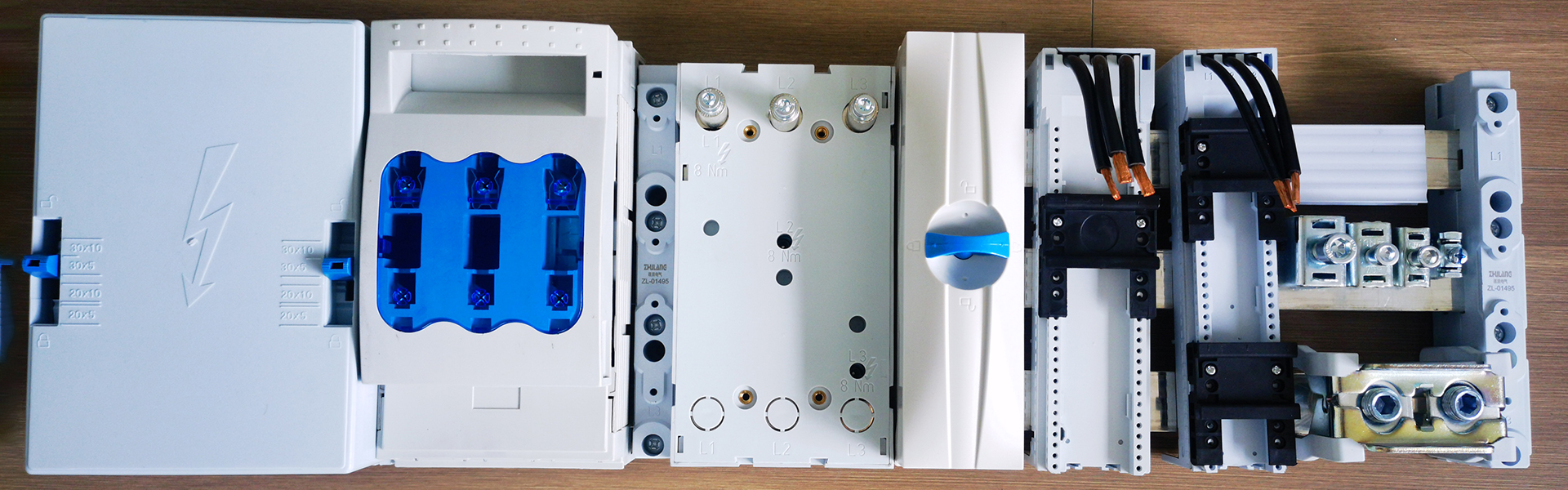
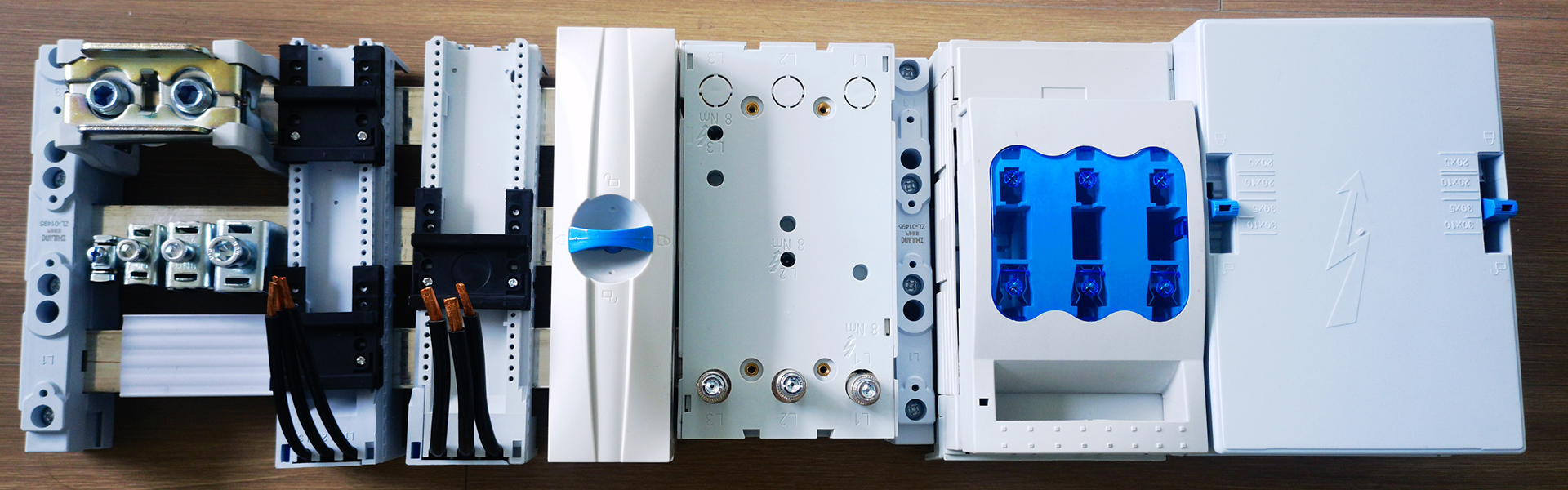
The bar-type circuit breaker switch, commonly known as the bar switch, is a type of switch that generally coordinates with circuit breakers. It skillfully utilizes the maintenance characteristics curve of circuit breakers to facilitate the maintenance of machinery and equipment in cables and lines. It also provides a distinct cutoff point during inspections to ensure the safety of workers and can expand to other intelligent control system switch equipment.
T-Bar Switch. Professionally used in the branch boxes of residential communities, controlling the power supply systems of several buildings in the area.
Strip switches, also known as load knife switches, are typically installed in parallel in distribution boxes, such as control circuits for outputs of 630A, with up to two units side by side. Even in a wooden cabinet with double layers, there are only up to 4 output control circuits. To increase the number of output control circuits, the overall width specifications of the distribution equipment and household appliances must be significantly reduced. The innovative strip-shaped multi-pole electrical switch was developed and launched into the market to meet these requirements.
