




Closed Busbar
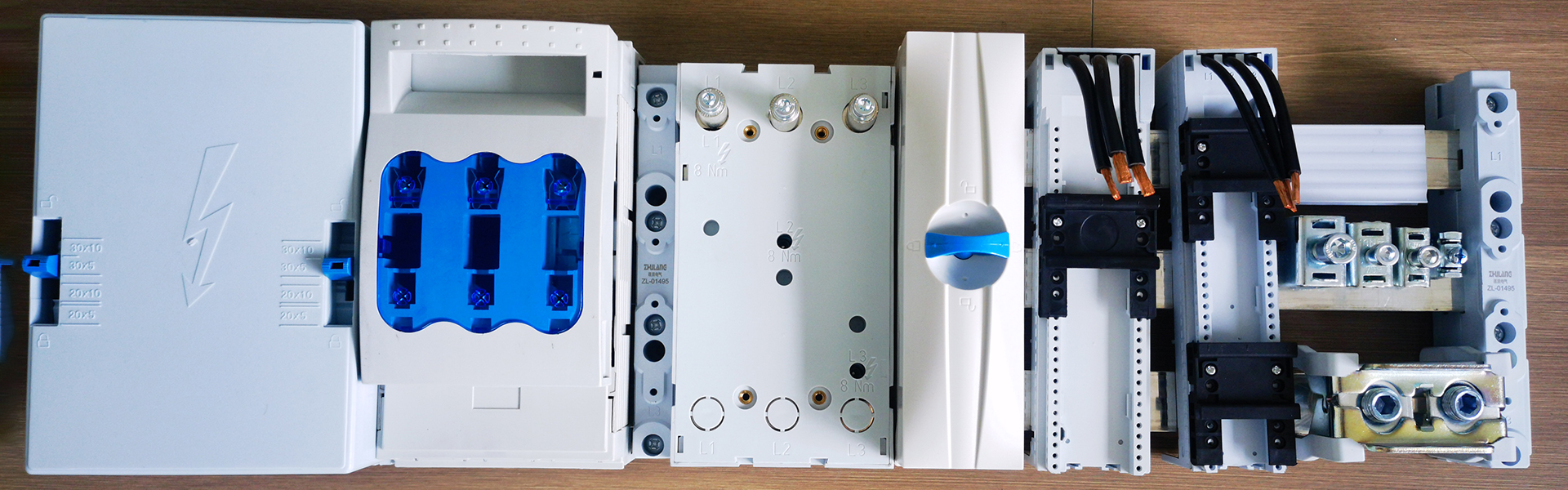
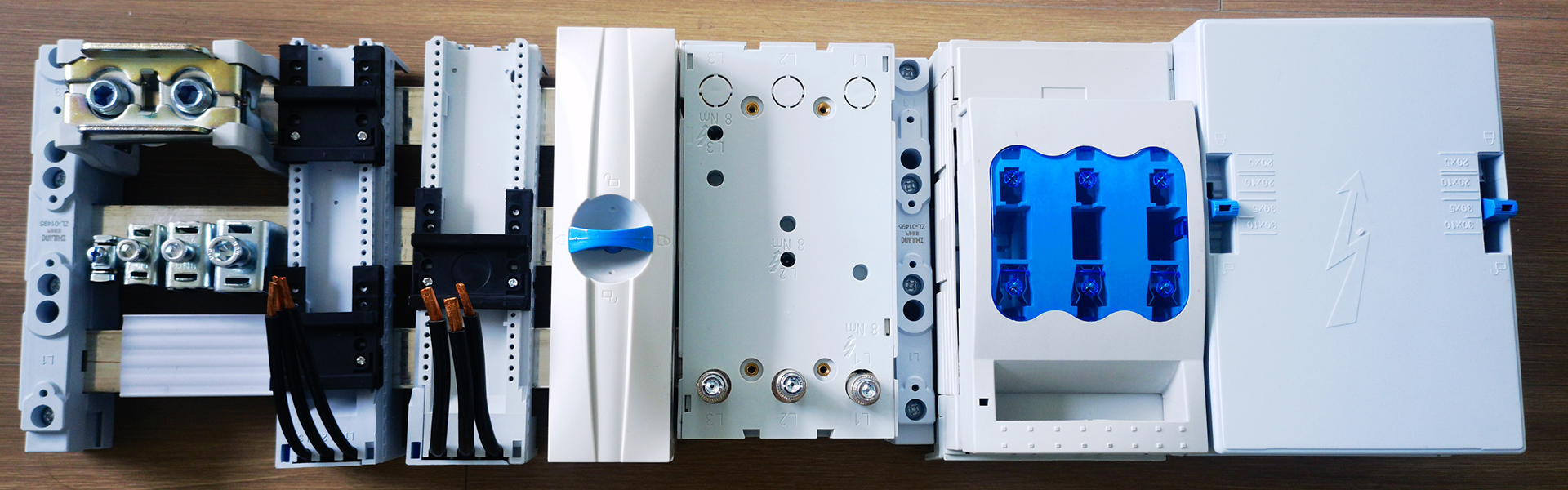
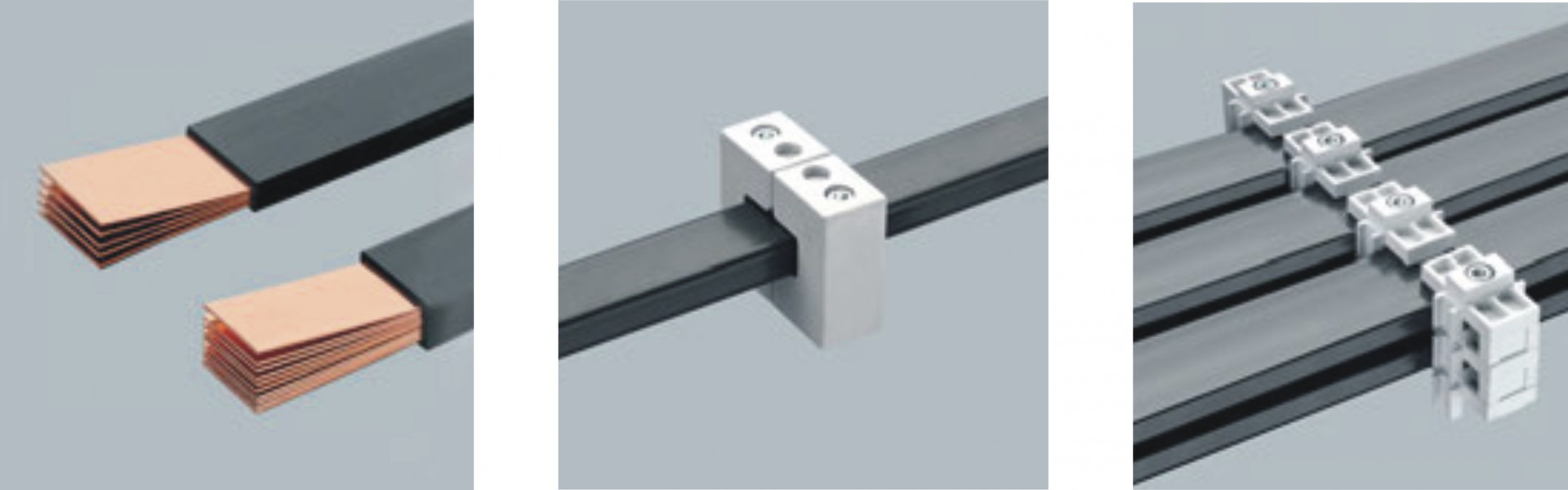
The busbar system is composed of a protective sheath made of metal sheets (thick steel plates or aluminum alloy plates), conductive strips, insulating materials, and related accessories. It includes phase-segregated busbars, common box (including full phase separation) busbars, and cable busbars, widely used in power stations, distribution stations, industrial, and residential power outlets. It is mainly composed of three parts: busbar conductors, composite insulators, and protective shielding shells. Both conductors and shells are constructed from aluminum alloy tubes.
General Busbar
In substation settings, the connections of various working voltage distribution devices, as well as transformers and other electrical equipment to their corresponding distribution devices, are typically made using bare or stranded conductors with rectangular or elliptical cross-sections, known as busbars. The function of the busbar is to collect, distribute, and transmit electricity. During operation, busbars have a significant electromagnetic energy base, and short-circuit faults can also cause considerable heating and electrical effects. Therefore, it is essential to choose appropriate busbar materials, cross-sectional shapes, to meet the demands of safety and economic conditions.
Busbars are categorized into rigid and flexible busbars by construction. Rigid busbars are further divided into rectangular busbars and tubular busbars.
Rectangular busbars are generally used from the main transformer to the distribution room. They feature easy installation and construction, minimal operational transformation, high cable current carrying capacity, but relatively high cost.
Outdoor Application Soft Busbars. Due to spacious design, wire movement, and insufficient spacing between wires. The soft busbar structure is compact and cost-effective.
