
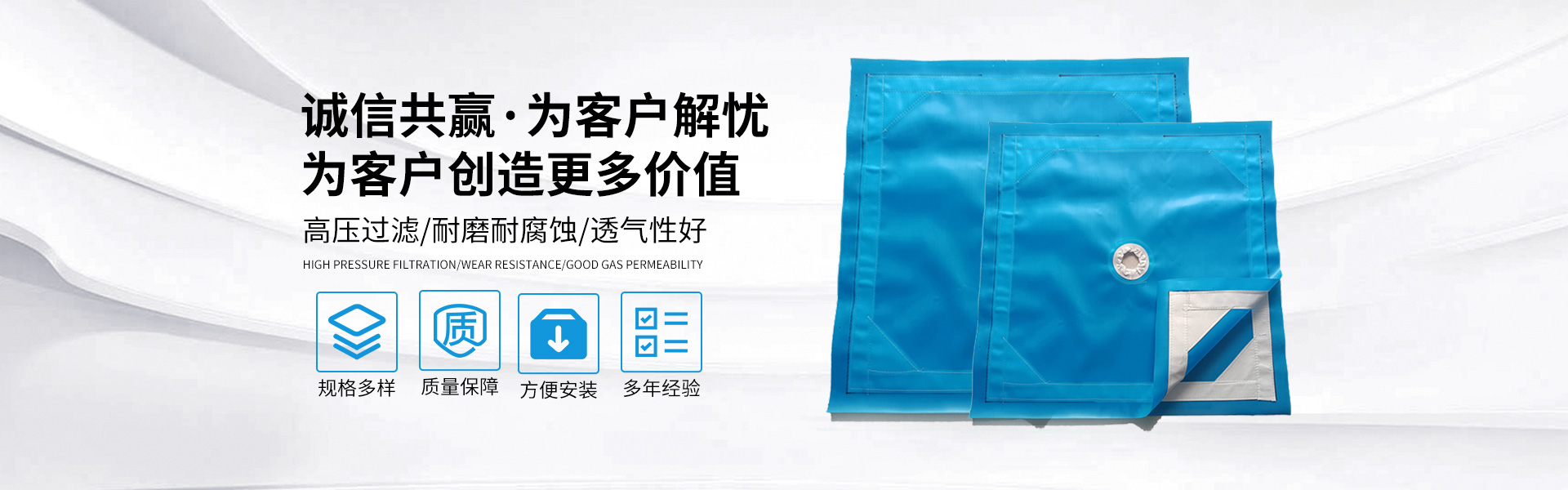

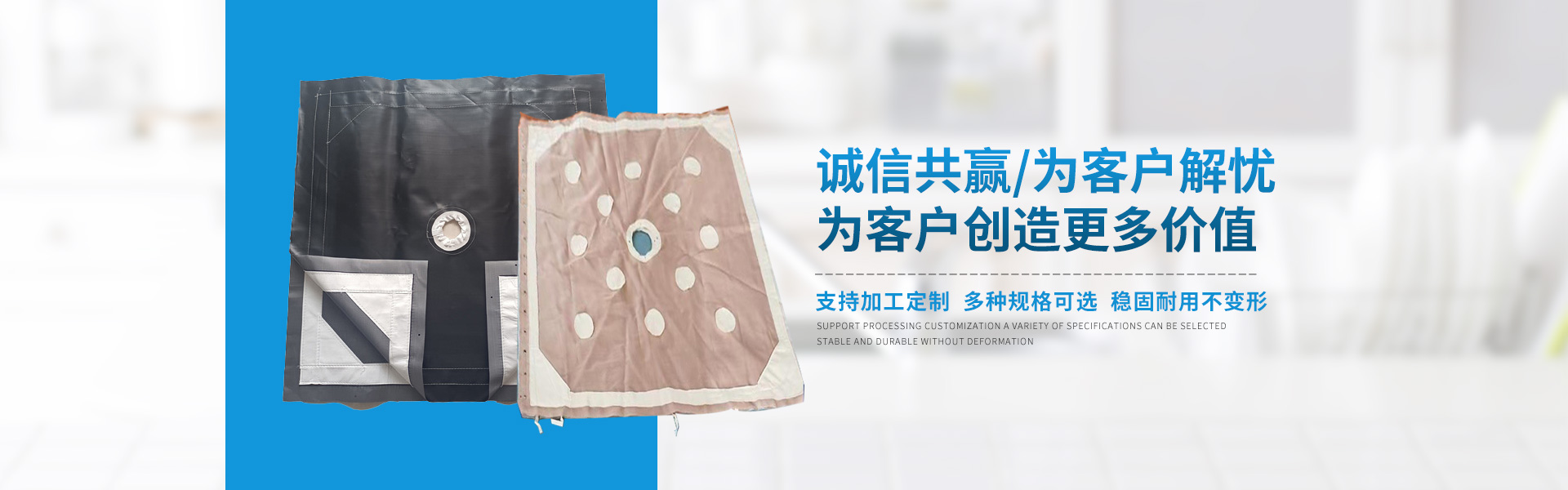


Filter cloths are filtering media woven from natural or synthetic fibers. Common materials include cotton, linen, wool, silk, asbestos fibers, glass fibers, and certain synthetic fibers. For instance, canvas made from cotton, twill, and woolen tweed. Broadly speaking, filter cloths also encompass metal meshes or filter screens.
Synthetic fibers primarily include polypropylene, polyester, nylon, and vinylon, with polyester and polypropylene being commonly used for solid-liquid separation. Nylon, however, is extensively utilized in coal washing plants due to its excellent wear resistance.
The new, high-efficiency filter fabric is primarily used for air filtration and dust removal, collecting dust particles to purify the air and protect the environment. It is widely applied in various industries such as smelting plants, chemical factories, sugar production, dyeing, food processing, and more.
Filter cloths and screens made of materials such as polyester, polypropylene, nylon, vinylon, and cotton are widely used in industries including chemicals, dyeing, steel, construction, iron smelting, chemical industry, ceramics, cement, geology, and mining.
Specialty filter fabrics include aramid, PTFE, PVDF, etc., with high operating temperatures.
News Center Co., Ltd.
