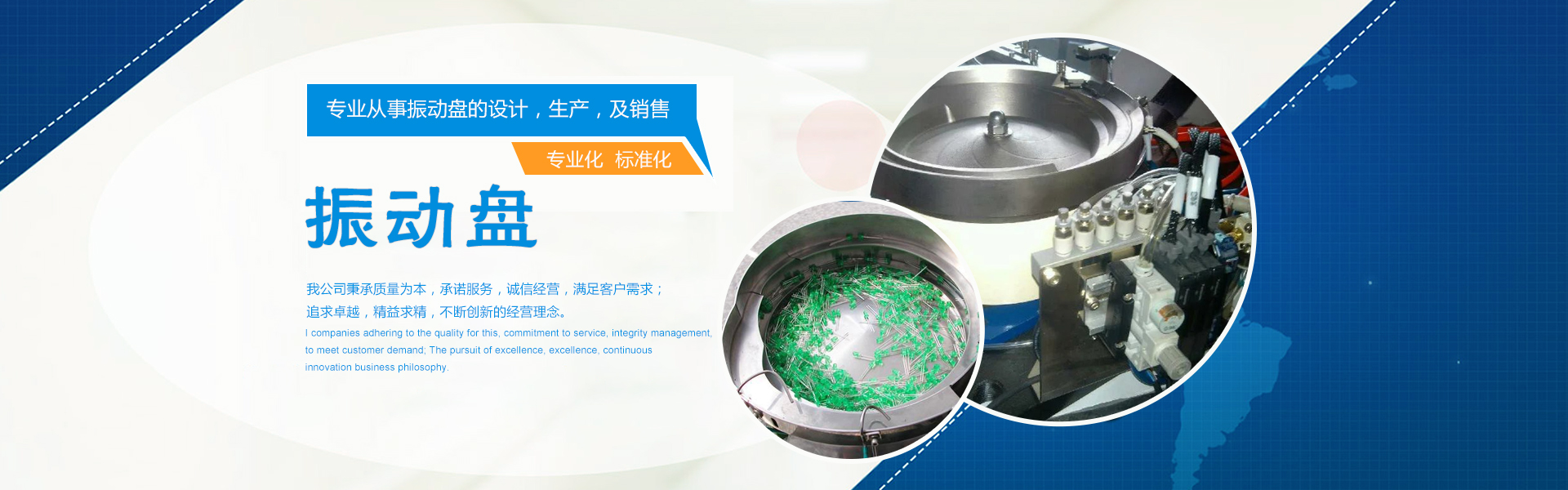
Proper Installation and CalibrationInstallation was strictly conducted according to the manufacturer's requirements, ensuring all components were securely and accurately positioned. During the tuning process, parameters should be set reasonably.
Routine cleaningRegularly clean off dust and debris from the hopper and base to prevent interference with vibration effects and to avoid component wear.
Appropriate UseDo not operate under overload, avoid continuous intense work for extended periods, and provide adequate downtime for rest.
Regular maintenance and service:
Inspect all component connections for looseness and tighten promptly.
Inspect the operating status of core components like vibration motors and address any anomalies promptly with repairs or replacements.
Perform lubrication and maintenance on critical areas.
Be Mindful of the Work EnvironmentMaintain a dry and clean environment, avoid using in harsh conditions such as dampness or dust.
Train OperatorsEnsure operators are proficient in equipment operation and maintenance knowledge to prevent damage due to improper handling.
Promptly address malfunctionsOnce a fault is detected, cease use immediately and conduct repairs to prevent the issue from escalating.
Regular performance evaluationsRegularly inspect the feeding machine's performance indicators, such as feeding accuracy and vibration intensity, to ensure its optimal condition.