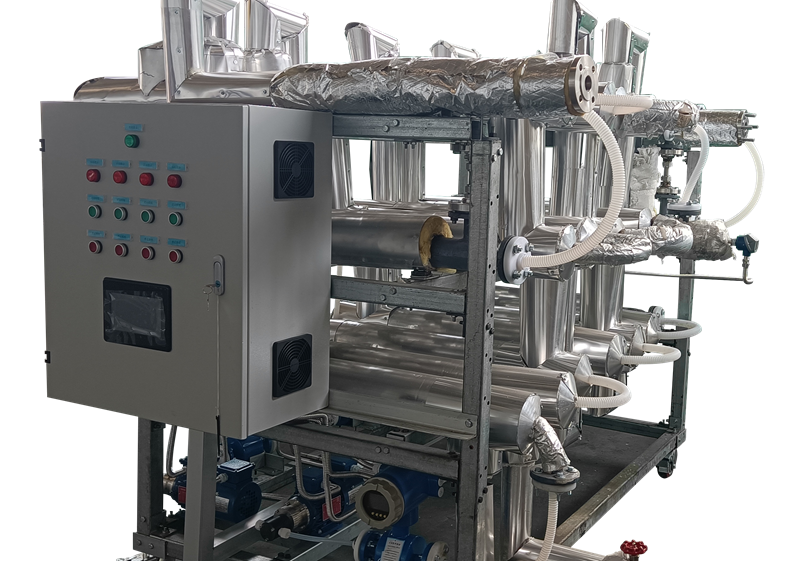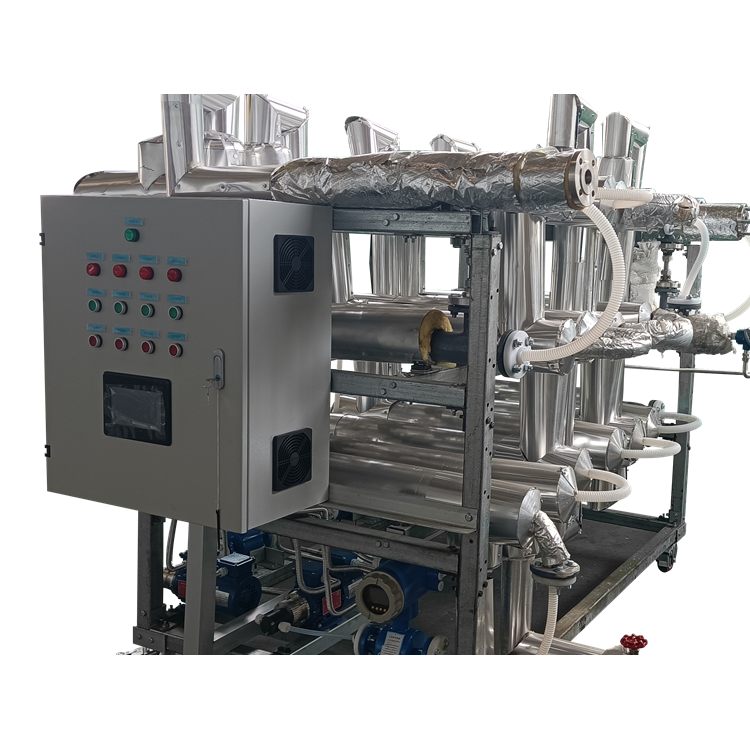
The nitration process typically consists of two steps: nitration and nitrosation. During the nitrosation stage, bacteria convert ammonia nitrogen into nitrites. In the nitration stage, nitrites are further oxidized by bacteria into nitrates. These bacteria are usually nitrifying bacteria, which can utilize ammonia nitrogen as an energy source for metabolism, converting it into harmless nitrates.
The 1000 Nitration Reactor is typically equipped with a mixing device to ensure uniform mixing within the reactor and to supply adequate oxygen for the nitrifying bacteria to react. The reactor usually also features a monitoring and control system that can track parameters such as temperature, pH level, and oxygen content, ensuring a stable reaction process.
The operational efficiency and water treatment effectiveness of Reactor 1000 depend on various factors, including the activity of bacteria within the reactor, oxygen supply, temperature, pH level, and more. Therefore, regular equipment maintenance and checks are necessary when using Reactor 1000 to ensure proper operation and reaction results.
In summary, the Nitration Reactor 1000 is a device used for removing ammonia nitrogen from water bodies, suitable for medium-scale water treatment projects. Operation of the nitration reactor can effectively improve water quality and reduce the impact of nitrogen pollutants on the environment.