


Product Description
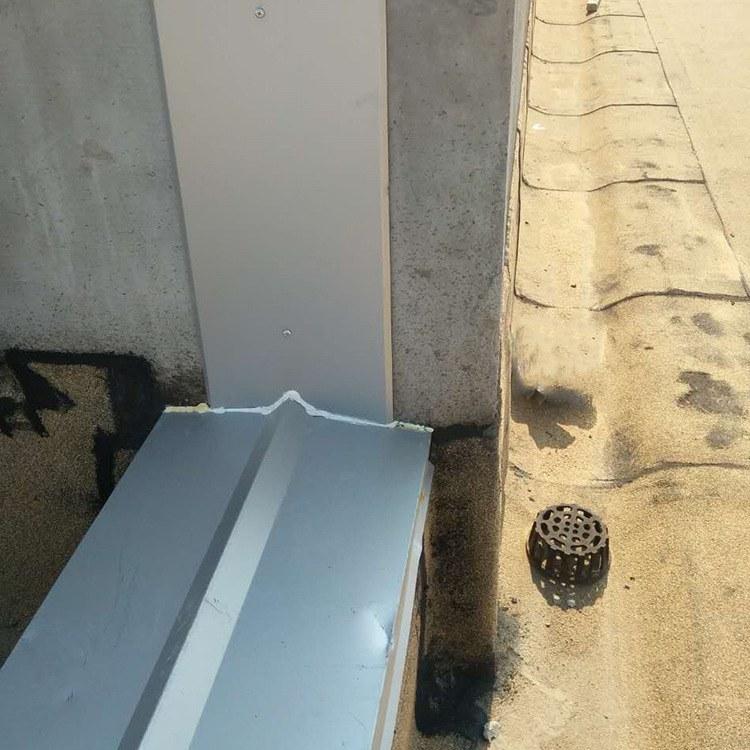
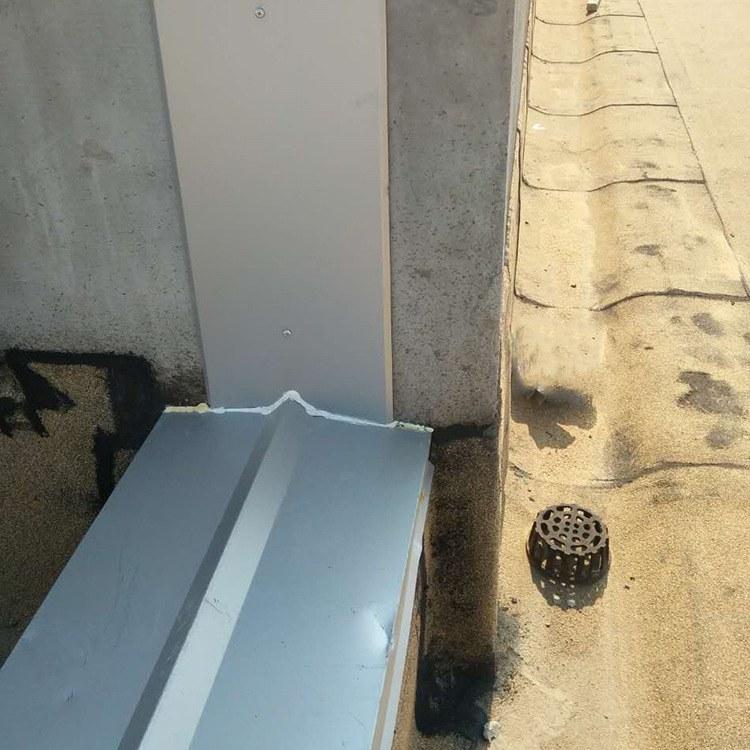
Expansion joints are categorized into three types: expansion joints, settlement joints, and seismic joints.
Expansion joints: Due to changes in temperature and humidity, building components may undergo expansion and contraction deformation. To address this, it is common to install vertical gaps at appropriate locations in the structure. These gaps break the walls, floor slabs, and roofs, etc., from the foundation upwards, separating the building into several independent sections. For joints set to overcome excessive temperature differences, the foundation may not be broken, and the structure is cut along the joints from the top of the foundation to the roof.
Seismic joints: Joints set to make buildings more regular and facilitate structural seismic resistance, with the foundation not being severed. Their purpose is to divide large buildings into smaller sections, creating relatively independent seismic units, to prevent overall structural disharmony and damage due to earthquakes.
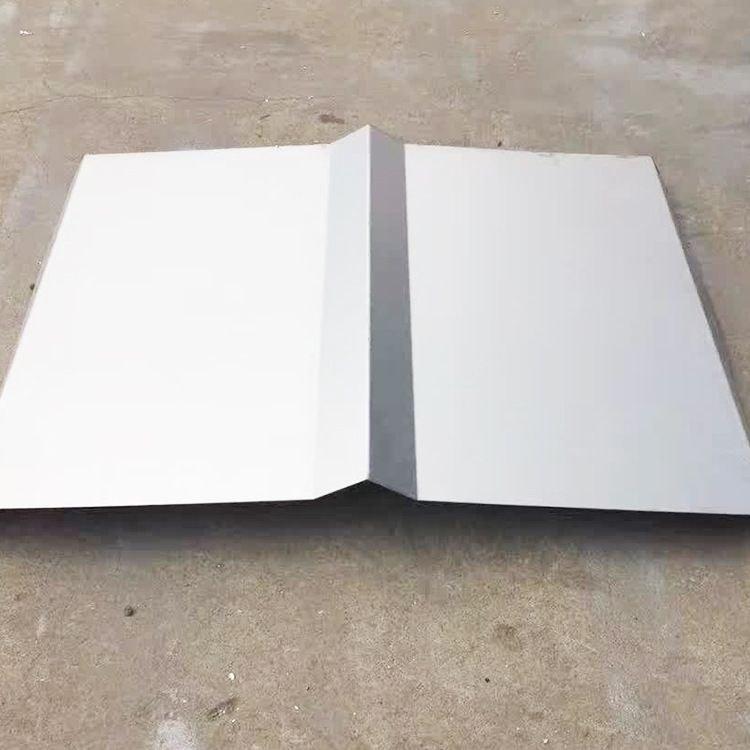
Product Material: 6063-T5 Anodized Aluminum Alloy
Standard Length: 3 meters per piece
Surface Treatment: Standard is anodizing, available in baked paint/embossed finish
Material Thickness: Standard 1.2mm, custom thickness available upon request.
Reference Album: Standard for Building Expansion Joints 04CJ01-3 P16-2
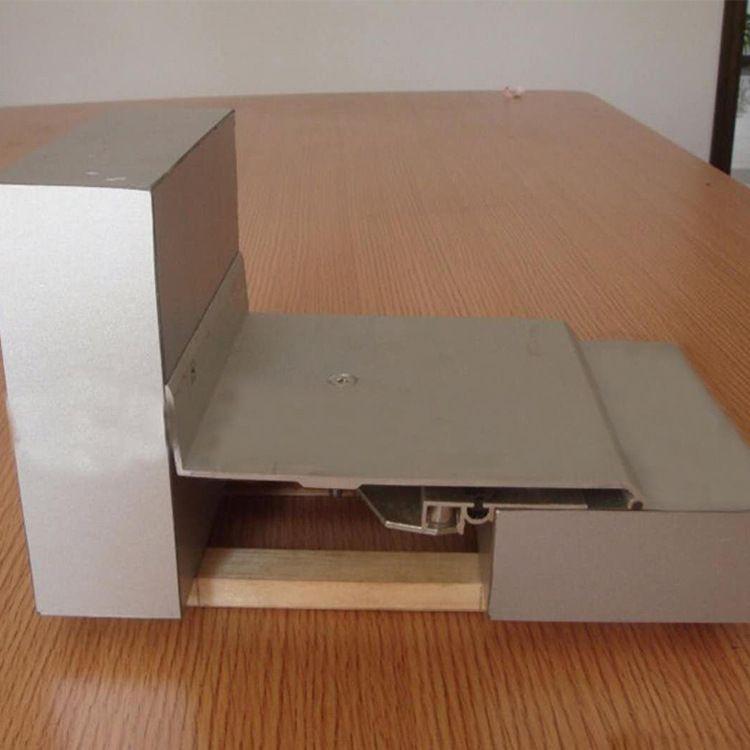
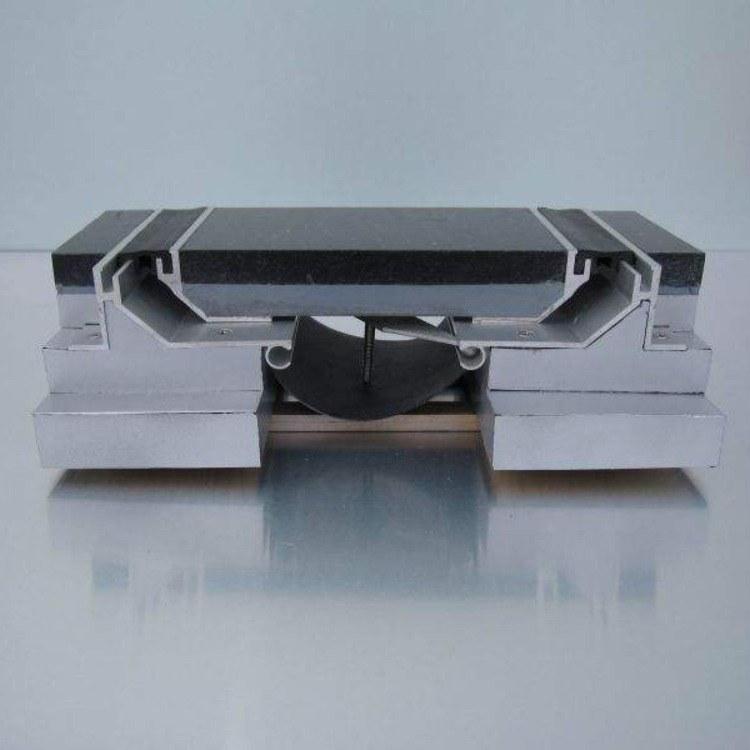
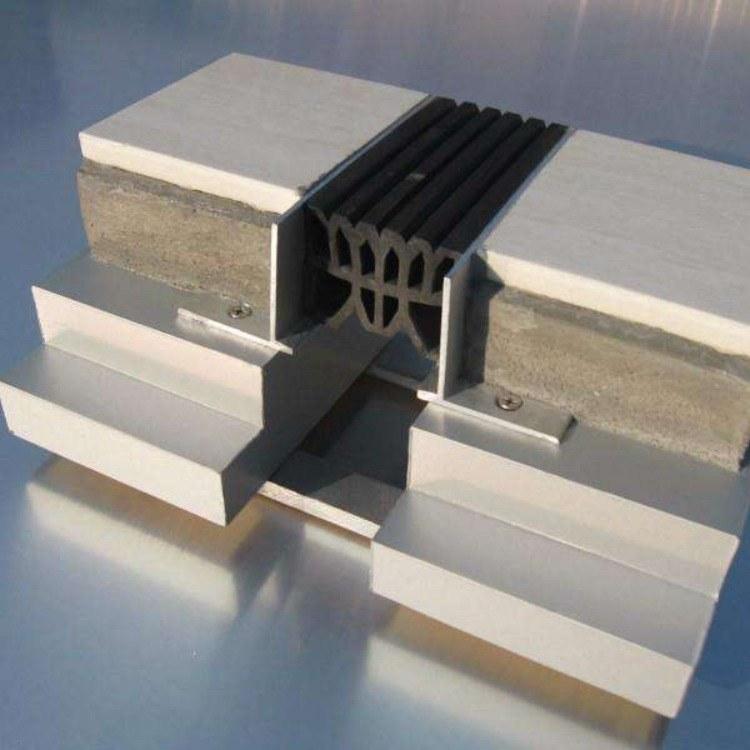
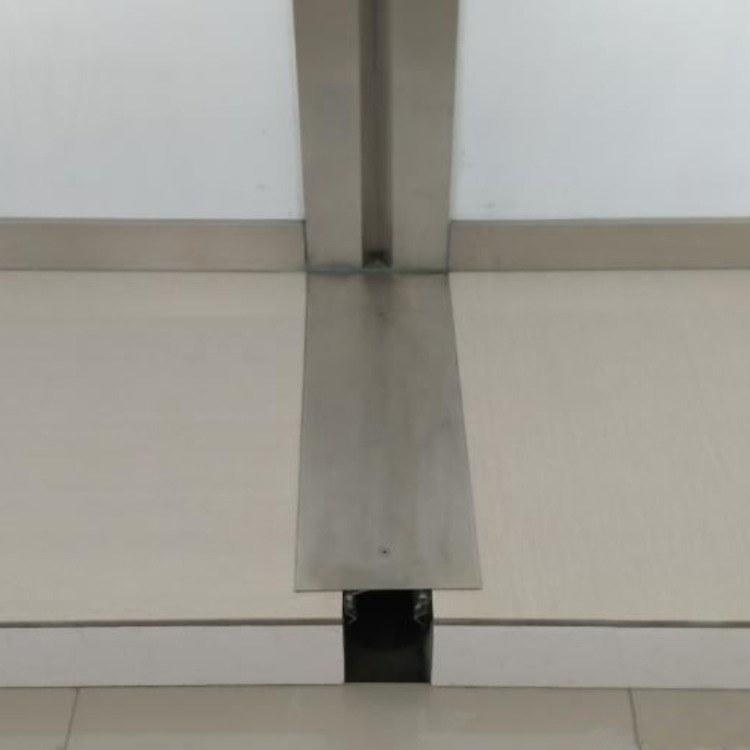
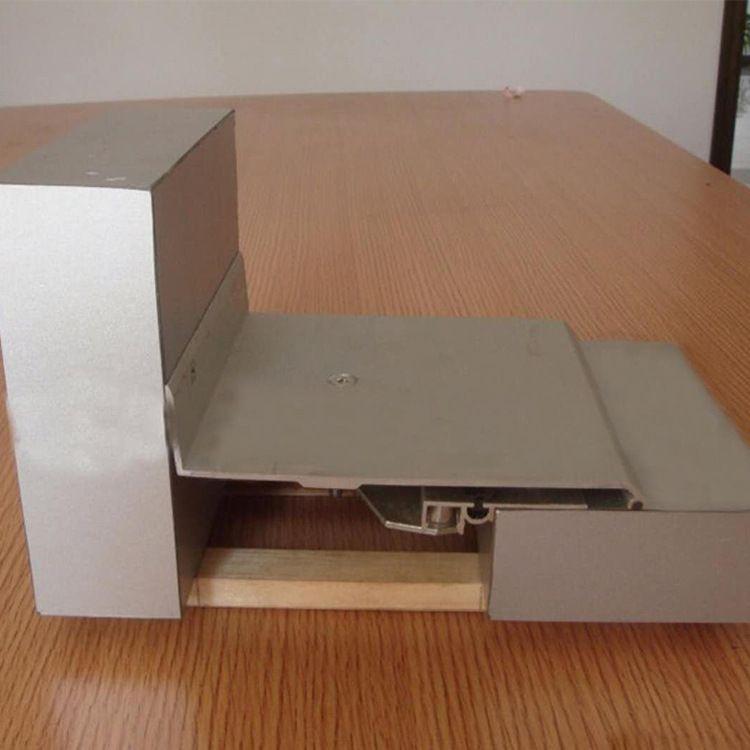
Metal ceiling tile seam device I-IM features include:
1. 50% displacement amount
2. The slider setup ensures the deformation device varies
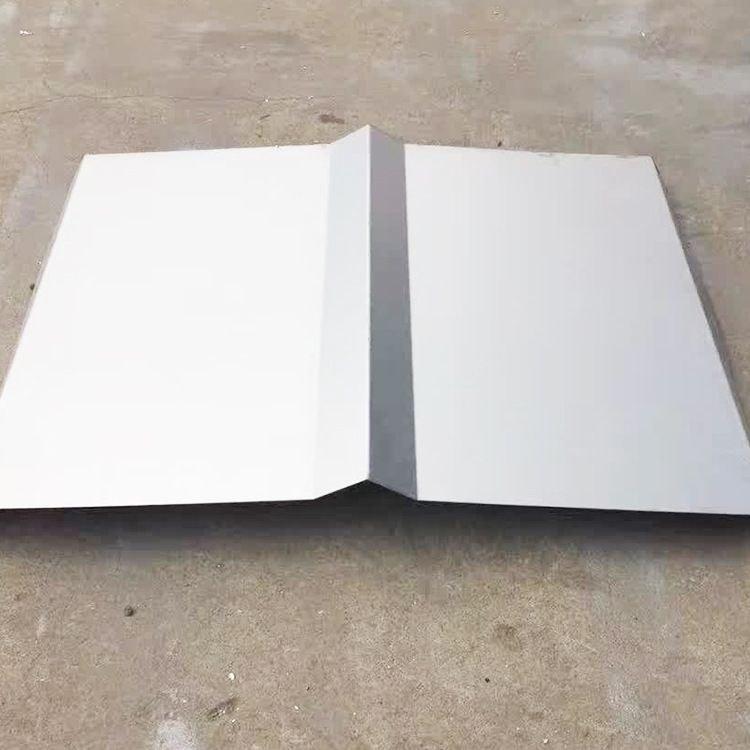
3. Corner panels are available in aluminum, stainless steel, or brass.
.jpg)