


Product Description
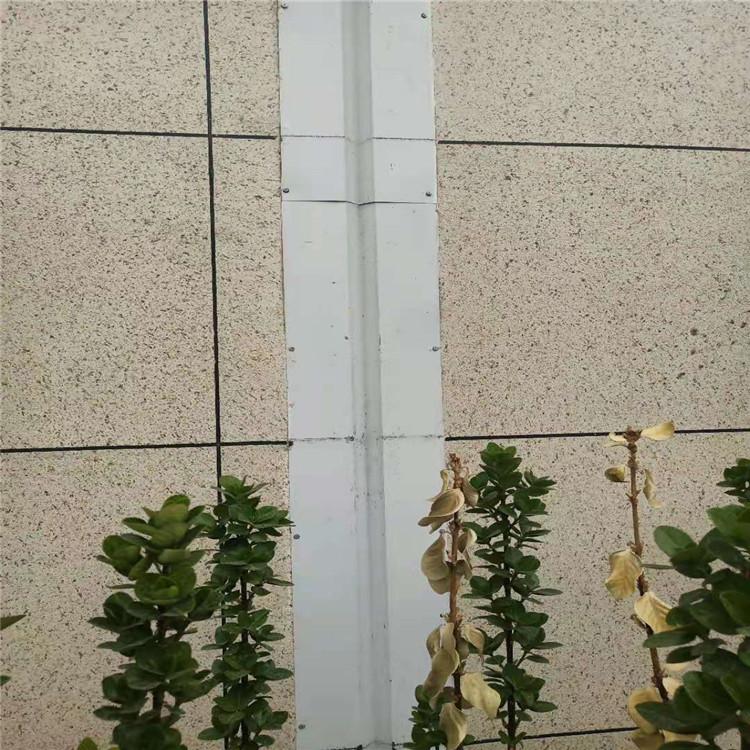
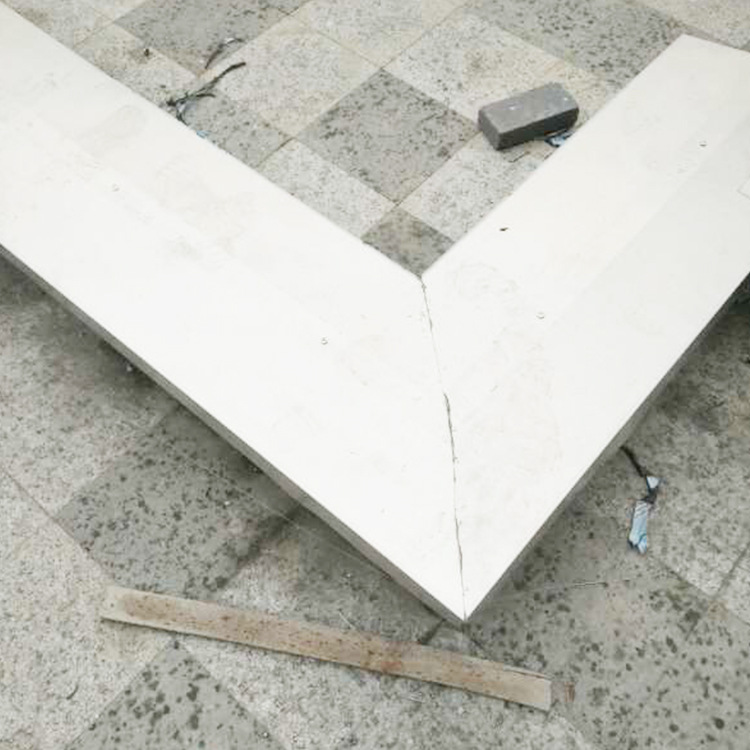
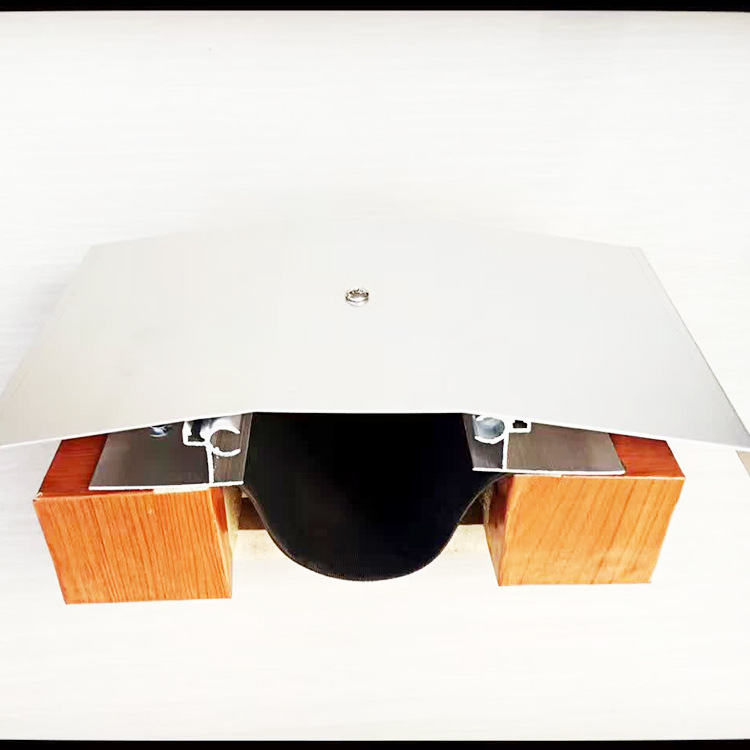
Deformation joints encompass expansion joints, settlement joints, and seismic joints. Buildings often experience deformation under the influence of external factors, which can lead to cracking or even destruction. Deformation joints are specifically designed structural gaps to address this issue.
Expansion joints are divided into three types: expansion joints, settlement joints, and seismic joints.
Expansion joints: Due to changes in temperature and humidity, building components can expand and contract, causing deformation. Therefore, vertical gaps are usually set at appropriate locations in the building to disconnect the walls, floor slabs, roofs, and other components from the foundation upwards, separating the building into several independent sections. Expansion joints set to overcome excessive temperature differences may not require the foundation to be disconnected, and the structure will be broken along from the top of the foundation to the roof.
Seismic joint: A gap set to make buildings more regular and facilitate structural seismic resistance, with the foundation not being severed. Its purpose is to divide large buildings into smaller sections, creating relatively independent seismic units, thus preventing overall structural disharmony and damage caused by earthquakes.