

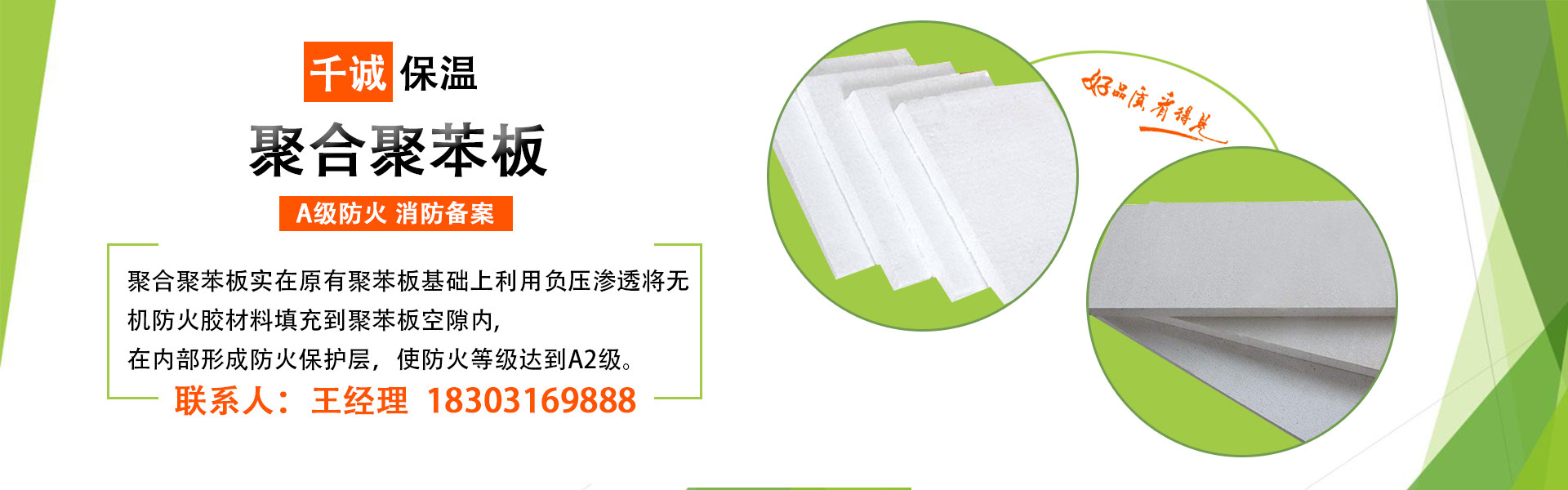
Expanded polystyrene boards serve as thermal insulation, used in buildings.Roof InsulationStructural steel roofing, building wall insulation, building floor moisture control, plaza flooring, ground frost heave control, central air conditioningVentilation Duct、Airport runwayInsulation materials, high-speed railway ballast.
Expanded polystyrene boards feature high thermal resistance, low linear expansion, and a low expansion ratio; their structure has achieved a high closed-cell rate.Over 99%, it forms a vacuum layer, preventing air flow and heat dissipation, ensuring long-lasting and stable thermal insulation properties. Compared to the 80% closed cell rate of foam polyurethane, the advantage is self-evident.
Proof of Practice20mm thick XPS extruded thermal insulation board offers the same insulating effect as 50mm thick expanded polystyrene or 120mm thick cement perlite. Therefore, this material is currentlyInsulation ConstructionNo Chinese content provided, original return:No Chinese content provided, so no translation is necessary.Jia's Choice.
Styrofoam foam plastic is divided into expanded typeEPS and Continuous Extrusion XPS are two types. Compared to EPS boards, XPS boards are the third-generation rigid foam thermal insulation material. Technically, they overcome the complex production process of EPS boards and possess superior performance that cannot be replaced by EPS boards. The performance characteristics of XPS boards are as follows:
Exceptional high-strength compressive resistance
Due toThe special structure of the XPS board boasts exceptional compressive strength and impact resistance. Depending on the model and thickness of the XPS, its compressive strength reaches above 150 to 500 Kpa, capable of bearing various ground loads in systems. It is widely used in ground heating projects, expressways, and more.Airport RunwayIn plaza flooring, large cold storage facilities, and vehicle interior insulation.
2. Excellent hydrophobic and moisture-proof properties
Water absorption rate is a crucial parameter for evaluating thermal insulation materials. After absorption, the thermal insulation performance of the materials declines. In low temperatures, the absorbed water is prone to freezing, which can damage the structure of the thermal insulation material, thereby reducing the board's compressive and thermal insulation properties. Due to the non-absorbent nature of polystyrene's molecular structure, the board's molecular structure is stable and gapless, solving issues such as leakage, seepage, frost formation, and condensation in other materials.
3. Lightweight and easy to use
The completely closed-cell foam chemical structure and honeycomb physical structure of the XPS board provide it with lightweight, high-strength properties, making it easy to cut, transport, and less prone to damage, with convenient installation.
