

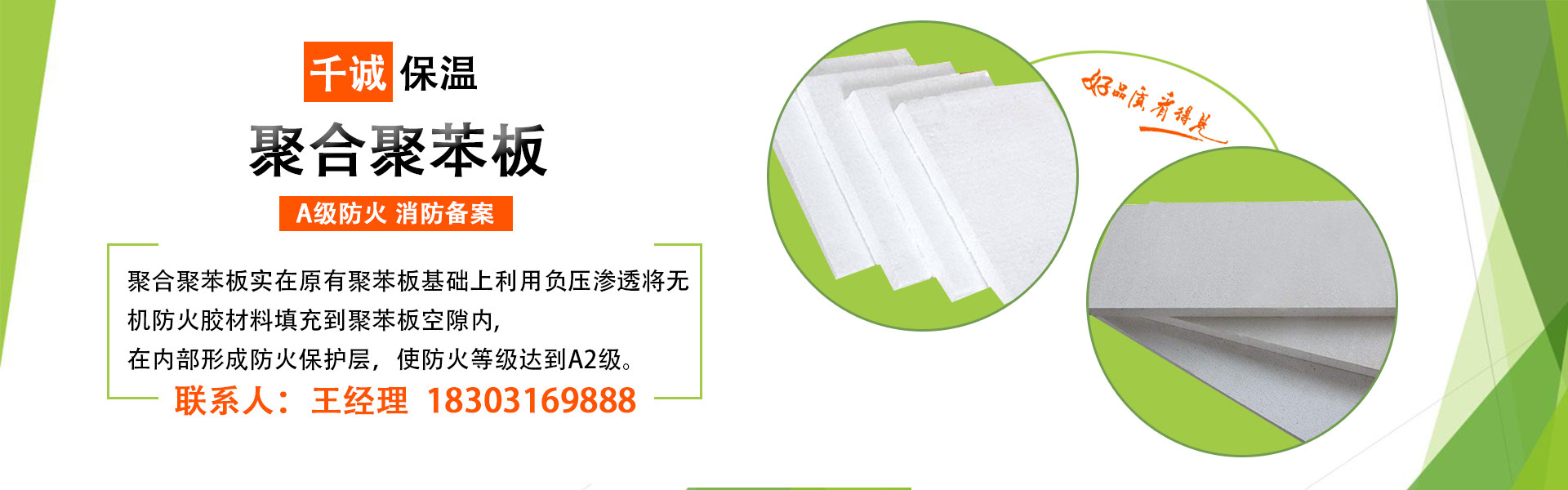
1. Expanded polystyrene is typically white, with a low density, and can be easily deformed or snapped and split by hand. The styrofoam has a granular structure, composed of individual grains with spaces between them, making it easy to disperse into particles.
2. Extruded polystyrene boards typically come in other colors, such as red, blue, and gray, with a higher density than expanded polystyrene. They do not deform when pressed with hands and are difficult to bend or break. Extruded polystyrene boards have a closed-cell honeycomb structure, offering good flexibility. When torn from the side, they exhibit a blocky structure with small holes.
3. Extruded polystyrene has a lower thermal conductivity than expanded polystyrene, offering a significant advantage in thickness selection. It also boasts higher compressive strength or load-bearing capacity compared to expanded polystyrene, making it commonly used for insulating roofs, basements, and ground floors.
EPS boards have shortcomings compared to extruded polystyrene: they are denser, have a dense structure, are brittle, are not breathable, and have a smooth surface that is not easily bonded without proper surface treatment.
Section II: Basic Connotation
XPS Extruded Polystyrene Board: It is a rigid foam plastic board made by mixing polystyrene with other materials and fire retardants, heating the mixture, injecting a catalyst, and then extruding it into shape.
EPS expanded polystyrene beads: They are expandable polystyrene (EPS) beads containing volatile liquid blowing agents, which are pre-expanded by heating and then molded into shape in a mold, featuring a micro-fine closed-cell structure.
