



The wire count for printed mesh, with the international standard unit being 1T = 2.5 wires. 2.5 wires equal 2.5 openings per square inch.
Thread count indicates the density of the mesh screen; the higher the count, the denser the mesh, and the smaller the mesh holes. The choice of thread count for the mesh screen should be based on the required print accuracy, selecting screens with different thread counts. The standard for selecting the thread count is: use 70-200 threads/inch for prints requiring more ink, 200-300 threads/inch for general printing, and above 300 threads/inch for fine graphics.
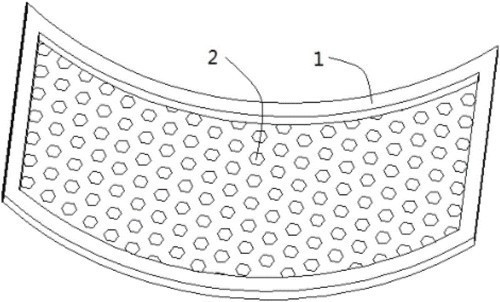
Direct-to-Plate Method
The direct plate-making method involves placing the sensitized film wristband base with the sensitized film side up flat on the work surface, then placing the tensioned wrist net frame flat on the base. Next, sensitized paste is placed inside the frame and spread using a soft scraper. After thorough drying, the plastic base is peeled off, revealing the sensitized film wristband mesh, which is then ready for exposure. After development and drying, the screen printing mesh is ready.
Process: Tensioned Mesh - Degreasing - Drying - Strip Base Separation - Exposure - Development - Drying - Plate Making - Coating
Indirect Printing Method
The indirect film-making process involves first exposing the indirect film, then hardening it with 1.2% H2O2 and developing it with warm water. After drying, the removable graphic film is created. During screen making, the film's adhesive side is tightly adhered to the stretched mesh. By applying pressure, the adhesive is firmly secured to the moistened mesh. After removing the film base and allowing it to dry with air, the screen printing mesh is ready.
Process Flow:
1. Woven and degreased, then dried
2. Indirect Film - Exposure - Hardening - Development - Lamination - Drying - Retouching - Screening
3. Direct-to-Garment Printing Method
The photo-sensitive emulsion layer is first applied to the mesh frame using water, alcohol, or photo-sensitive emulsion. After drying with hot air, the base of the photo-sensitive film is peeled off, followed by exposure and development, resulting in the finished screen printing plate.


