
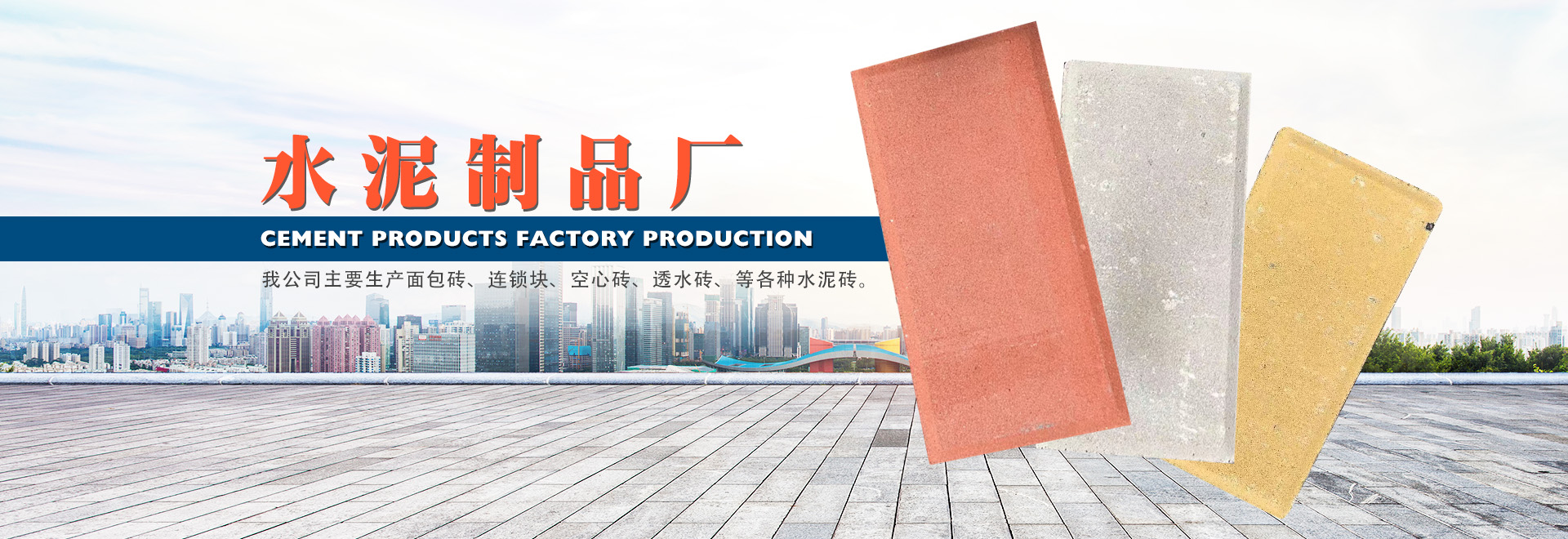


The Breadstone, also known as the Breadstone, originated in the Netherlands. During the Dutch process of reclaiming land for cities, they discovered that the ground would continuously sink due to prolonged lack of moisture after seawater was drained. Once the sea dykes along the coast were breached, seawater would rapidly flood the city, which was much lower than sea level, and submerge the coastal city entirely. To prevent the ground from sinking further, the Dutch created small road bricks measuring 100mm in length, 200mm in width, and 50-60mm in height, and laid them on the streets with a 2mm gap between each brick. This allowed rainwater to seep into the ground through the gaps between the bricks. This is the famous Dutch brick that came later.
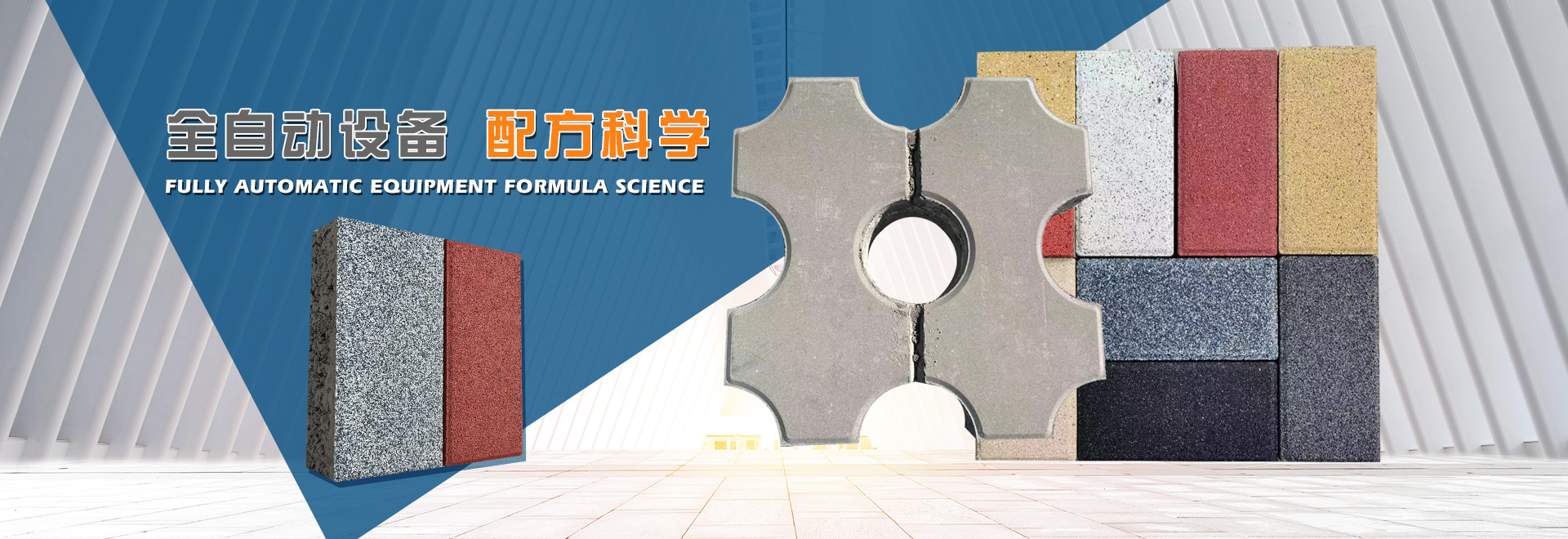
Bread bricks are commonly laid in public areas, where they effectively assist in draining surface water during our installation process. Known for their excellent permeability, these bricks also offer increased friction in rainy conditions, necessitating careful attention to even laying during production. When placed alongside roads, they efficiently absorb ground water during prolonged rainy or stormy weather, preventing water puddles and facilitating safe pedestrian movement during rain. These bricks contribute to a good surface water circulation system, addressing practical issues such as cooling down streets, parks, and squares, improving air quality, and regulating climate to some extent. They also reduce noise levels. By enhancing permeability, environmental friendliness, and beautifying the surroundings, they starkly contrast with traditional concrete precast products. The bricks produced by our paver machines are of high strength, excellent permeability, and non-slip, meeting the requirements of environmental, social, and policy demands. They come in a rich array of colors, are available in various sizes, and are both aesthetically pleasing and plain.
News Center Co., Ltd.
