



Do you know what the main pollutants are that cause water body environmental pollution, and how do these substances come to be in rivers and lakes? Below, our editor will discuss the primary pollutants responsible for water pollution and their sources.
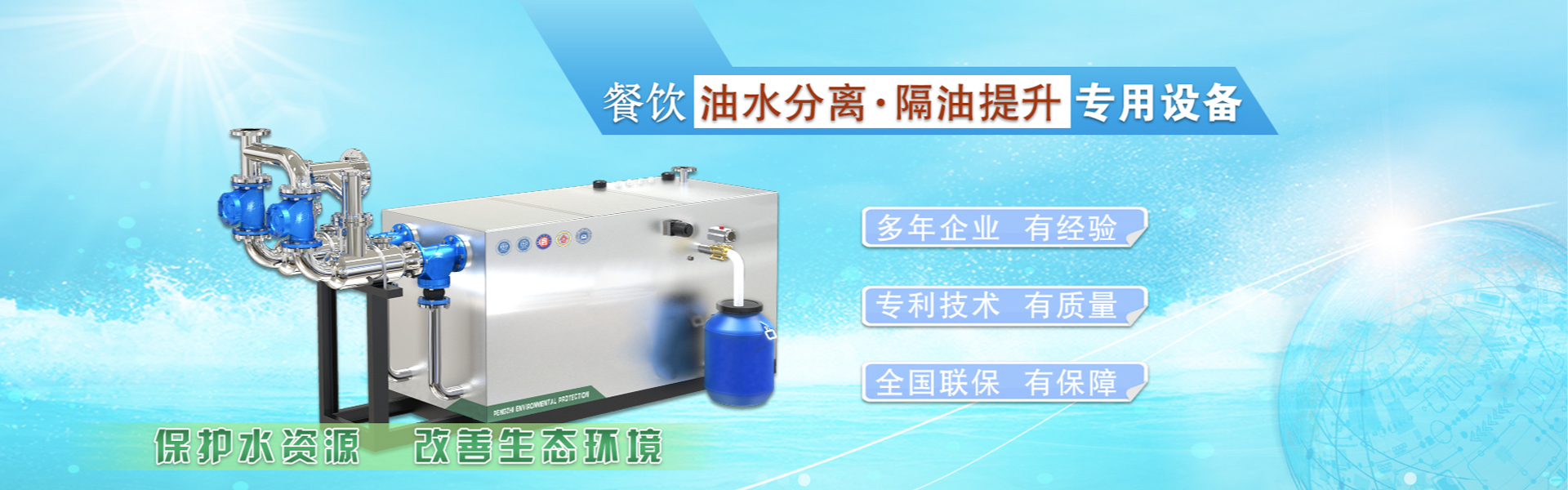
Choosing an oil-water separator can be challenging; take a look at Pengzhi Environmental's fully automatic oil-water separator.
The primary cause of water pollution is the exceeding of Chemical Oxygen Demand (COD) levels in water. Excess COD in water bodies indicates a high concentration of organic matter, and releasing wastewater with elevated COD into rivers leads to water pollution, eutrophication, blackening of water, foul odors, and even impacts on surface vegetation. What are the main sources of COD-contaminated wastewater, and why is there a significant amount of wastewater discharged into rivers? The main source of COD is wastewater from the food service industry, which contains particularly high levels of oil. Oily substances are the primary cause of increased COD. Therefore, wastewater from the food service industry is a major contributor to water pollution and should not be discharged directly but must be treated before release. How can wastewater from the food service industry be treated to meet discharge standards?

Pengzhi Environmental Protection has developed a unique oil-water separator to tackle the challenge of wastewater discharge in the catering industry. This separator effectively separates oil and solids from wastewater, allowing for their individual collection. After treating the wastewater to meet standards, it is automatically discharged. The wastewater enters the equipment through the inlet, where it undergoes front-end solid removal. To cater to various user needs, the R&D department at Pengzhi has designed several models, which can manually collect solids, automatically deposit them into a trash bin, or simply discharge them without collection, as the solids are processed within the equipment. Users can choose the model that best suits their requirements. The wastewater, free of solids, then enters the oil-water separation chamber. The special structure of the tank, along with the difference in density between oil and water, collects the oil into a separate oil collection chamber. By opening the oil valve, the oil can be discharged into an oil collection drum. The wastewater then enters the wastewater chamber and is discharged after meeting the required standards. The treated wastewater has a low COD content, significantly contributing to the protection of water quality.
Are you struggling to choose an oil-water separator? Are you hesitating about which company is reliable, or worried about how to repair the equipment if it breaks down later? If you have these concerns, come and check out Pengzhi! With years of experience as a manufacturer, we offer professional after-sales service to address all your worries! If you're unfamiliar with the equipment and unsure about which features to choose, feel free to call Pengzhi's customer service hotline. We have a professional sales team that can answer all your questions about the equipment and on-site issues. Better action than words, so pick up your phone and call or visit our official website at Pengzhi! We believe Pengzhi will provide you with a satisfactory answer!
