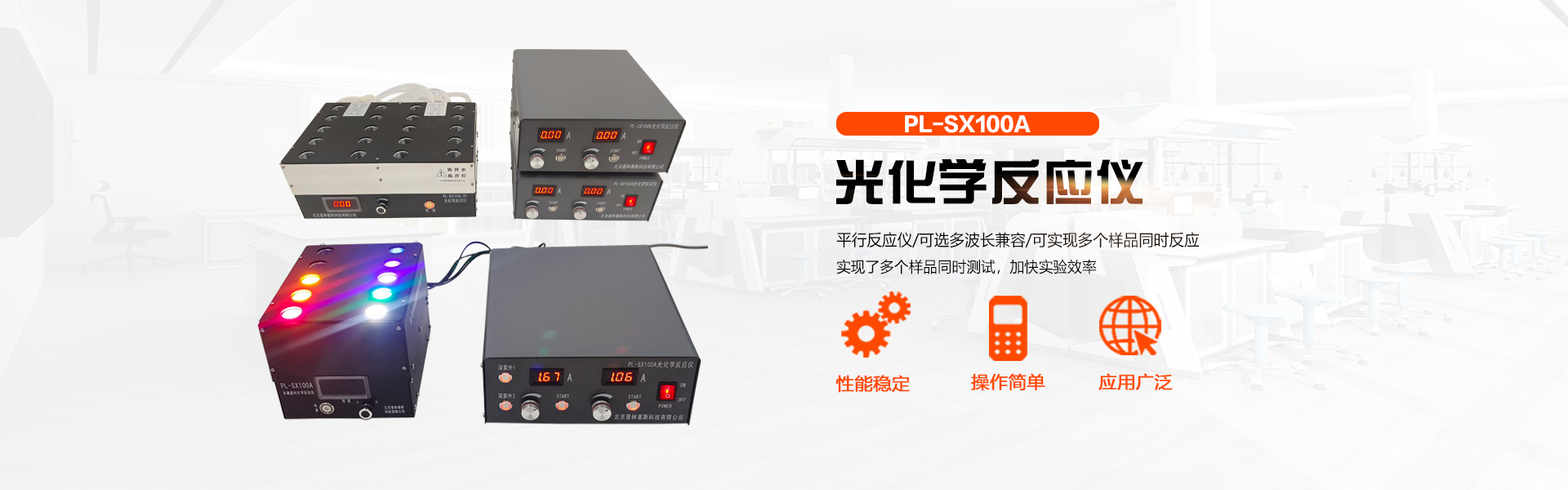





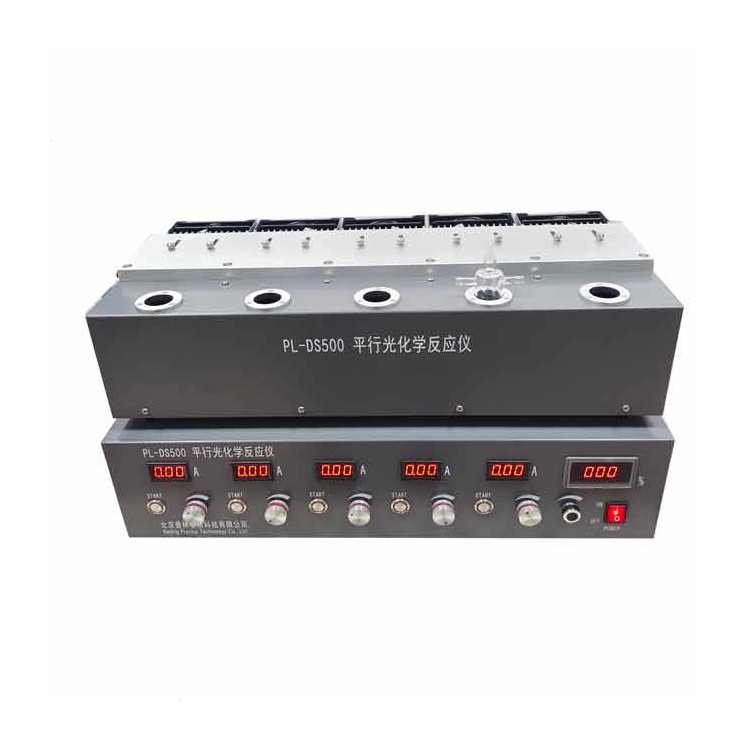
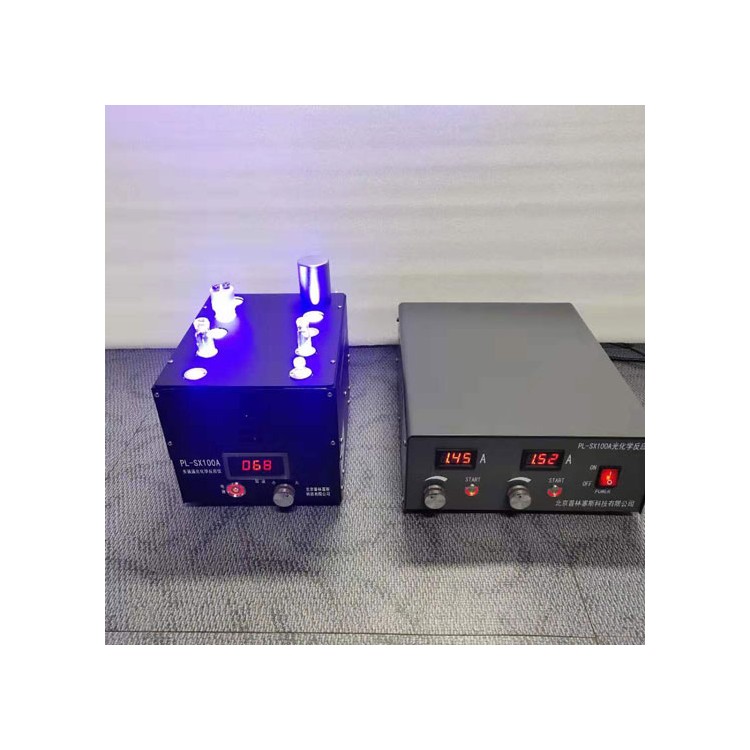
 Multi-channel photochemical react
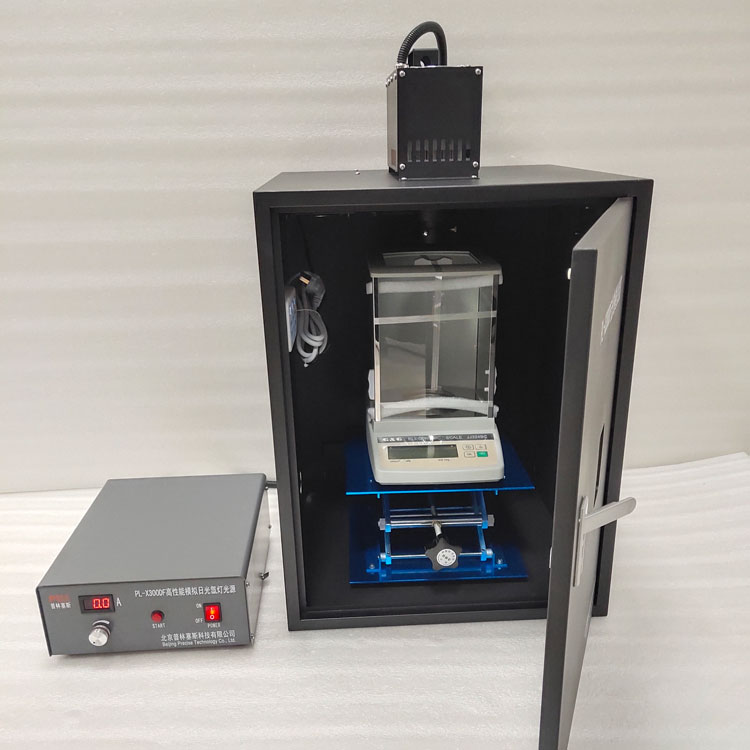 Photocatalytic system
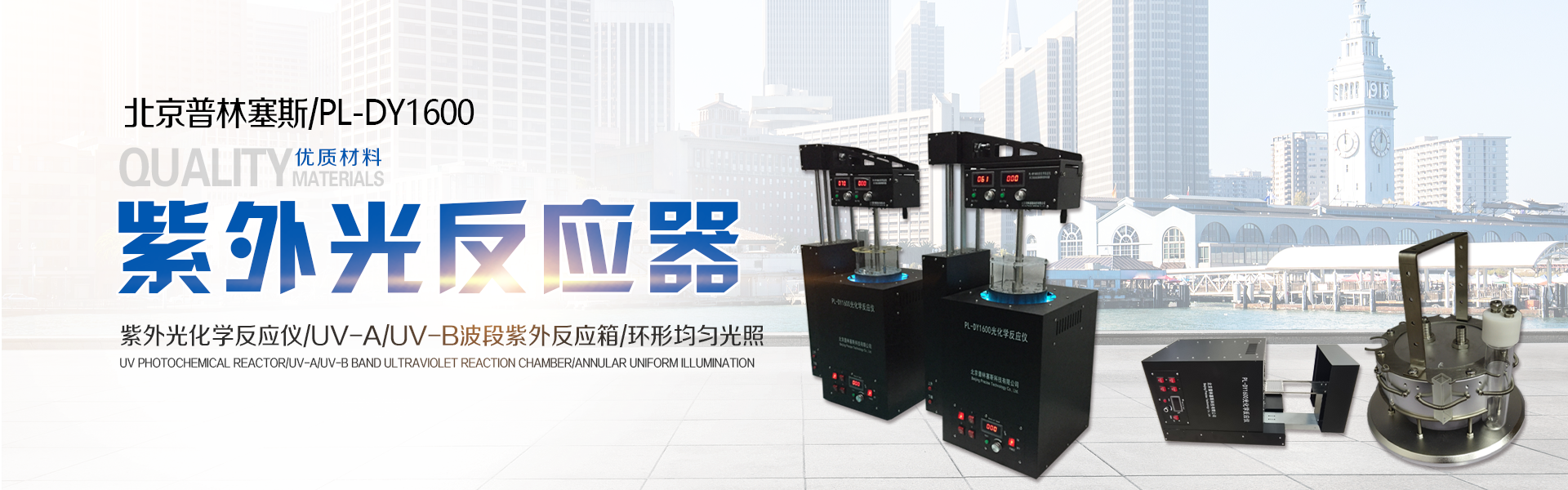
 PL-04 Photochemical Reactor
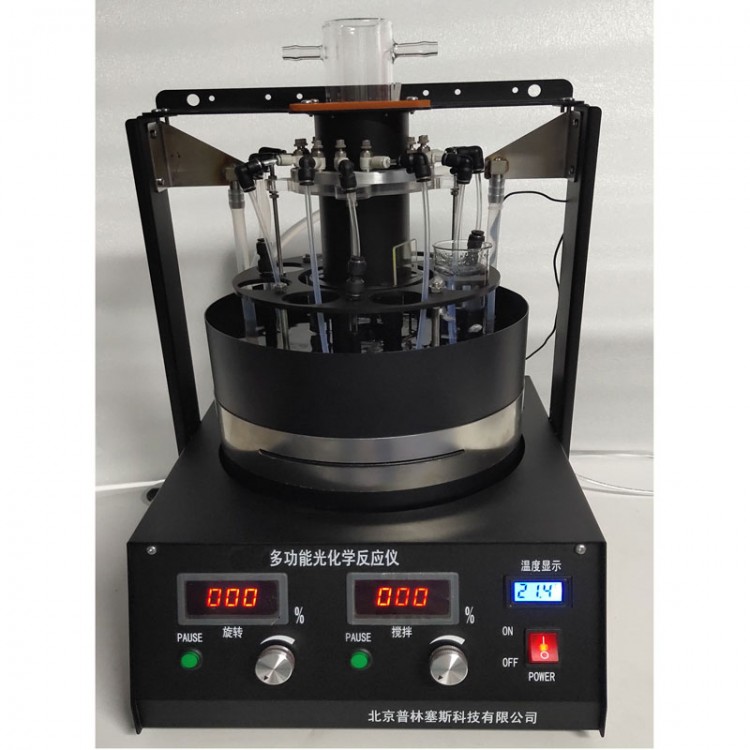 PL-05 Photochemical Reactor
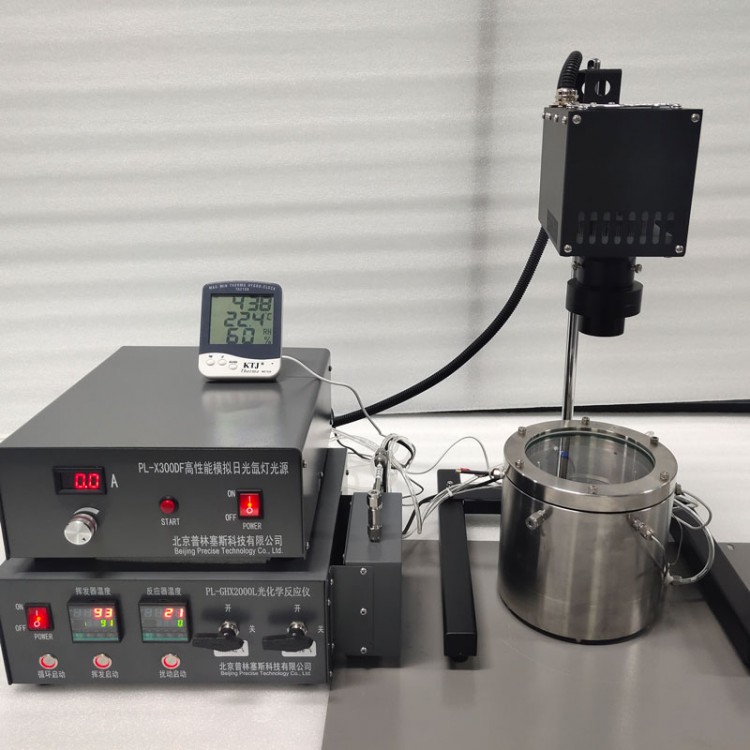 PL-GHX2000L Gas Photocatalytic Sy
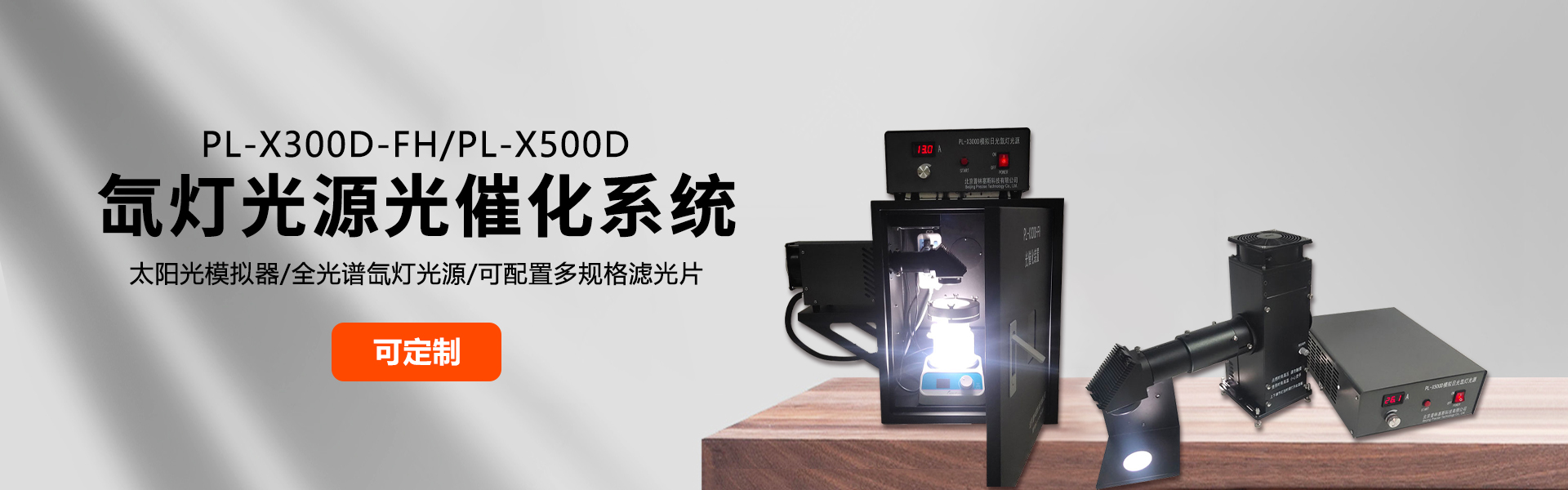
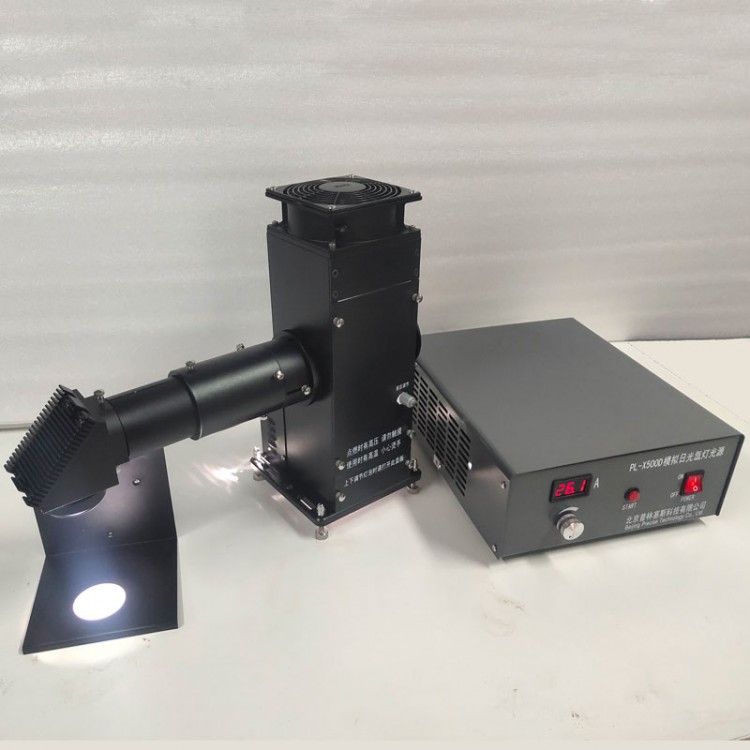 PL-X500D Xenon Light Source Syste
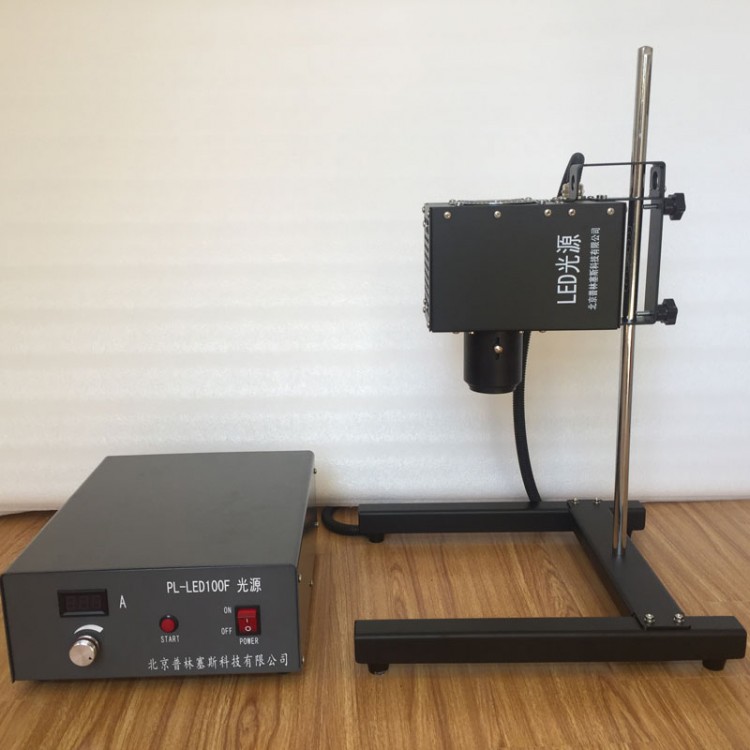 PL-LED100F light source - High en
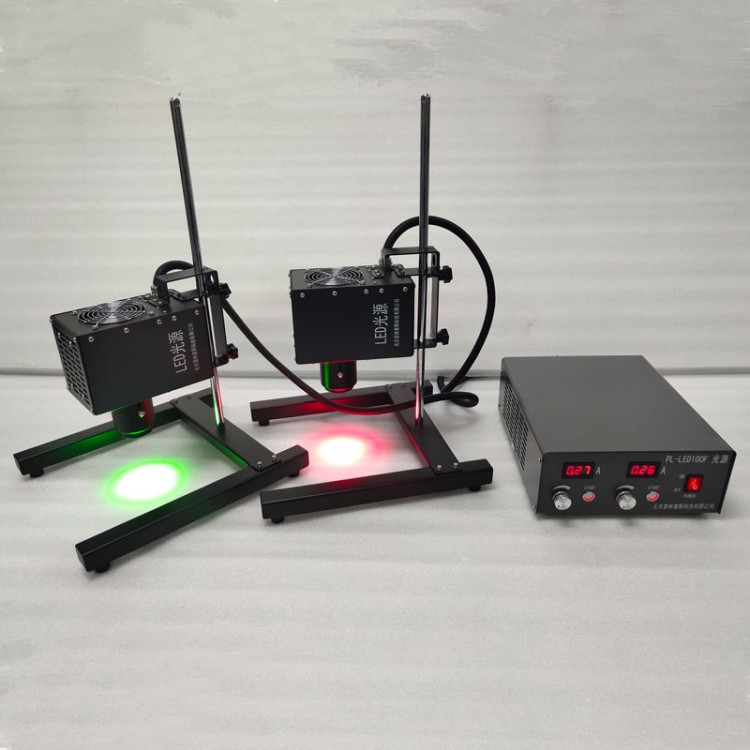 PL-LED100F Light Source
 PL-XG500LD Photochemical Reactor
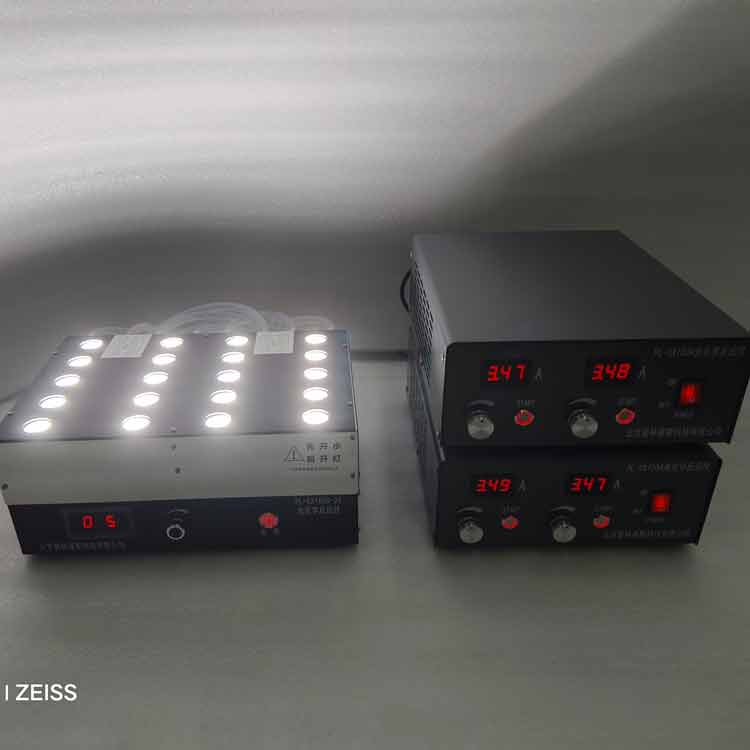
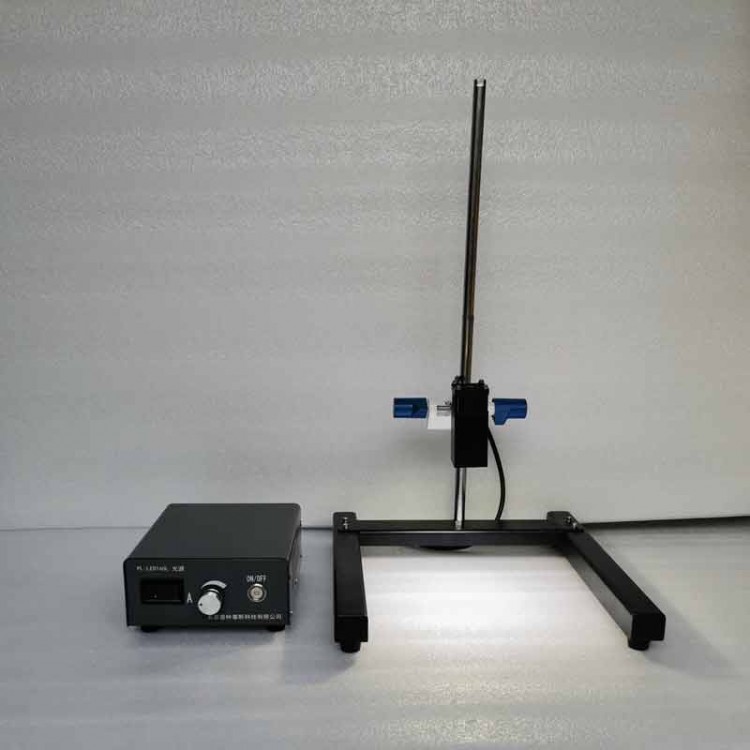 PL-LED160L LED light source
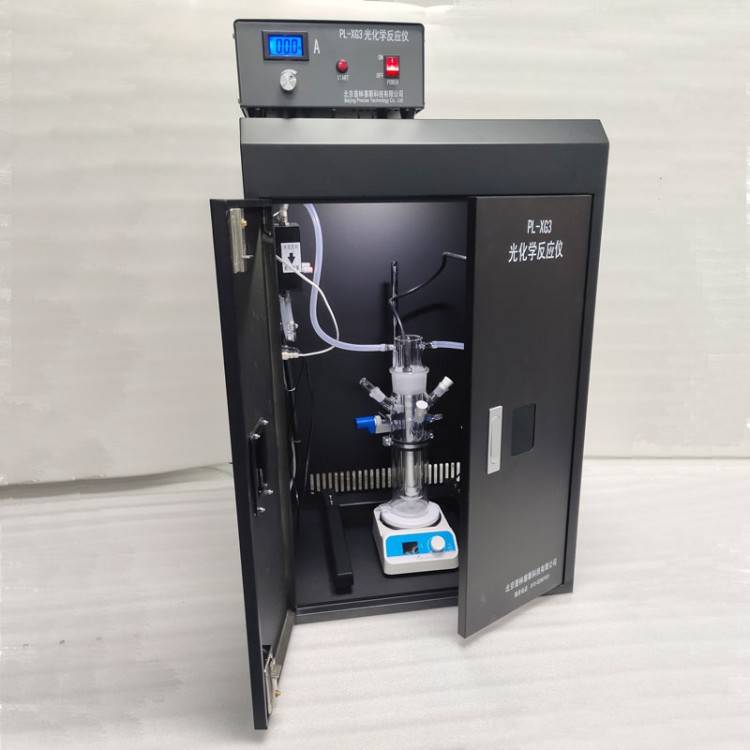
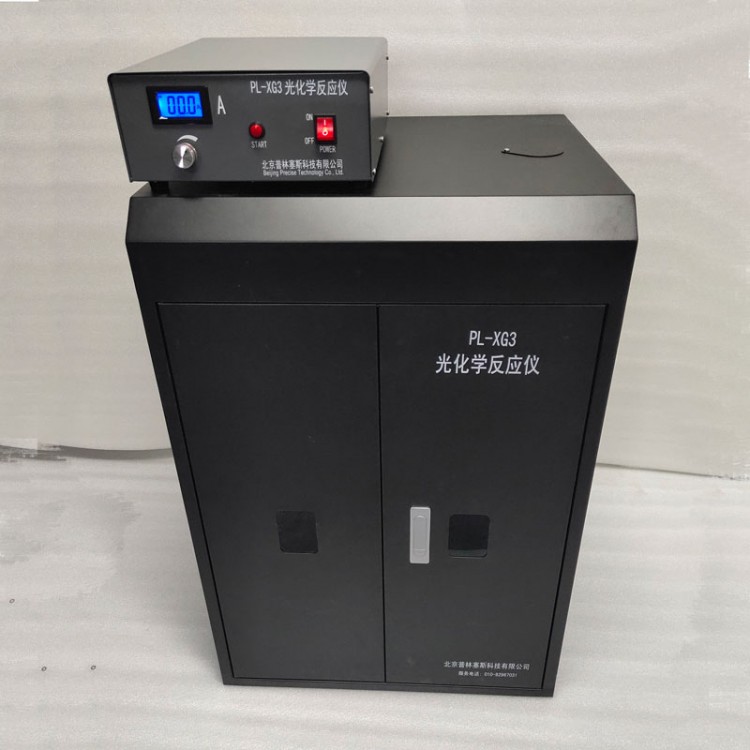
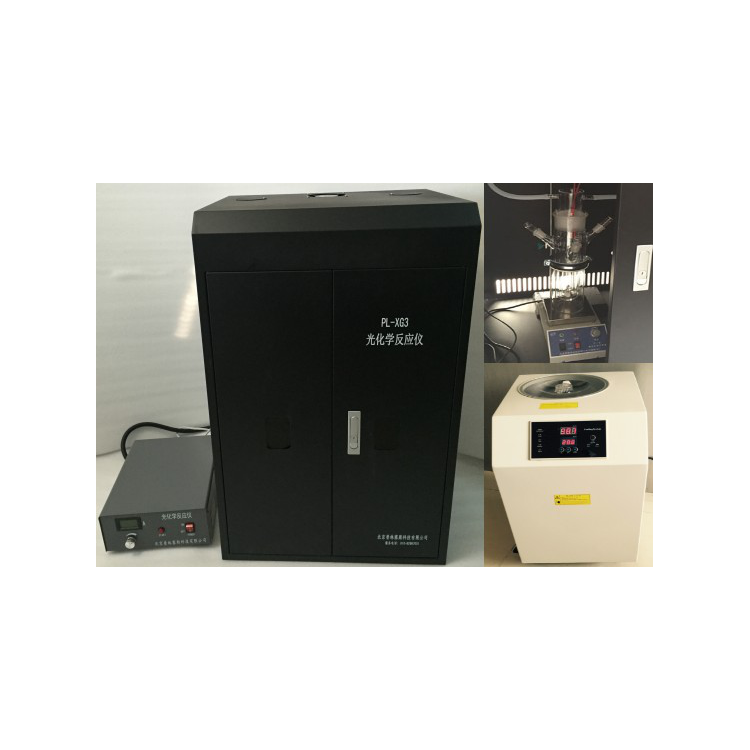
PL-XG3 Photochemical Reactor
The PL-XG3 Photochemical Reactor is widely used in photochemical reactions under various conditions, including chemical synthesis, photo-degradation, gas-liquid reactions, liquid-phase media, fixed or flowing systems, simulation of ultraviolet and visible light illumination, and the presence of TiO2 photo-catalyst in reaction vessels. It offers functions such as providing samples for analysis of reaction products and free radicals, determining reaction kinetic constants, and measuring quantum yields. It is applicable in research fields such as environmental protection and life sciences.
One, Photocatalytic Reactor Light Source (Type One-Controlled-Two)
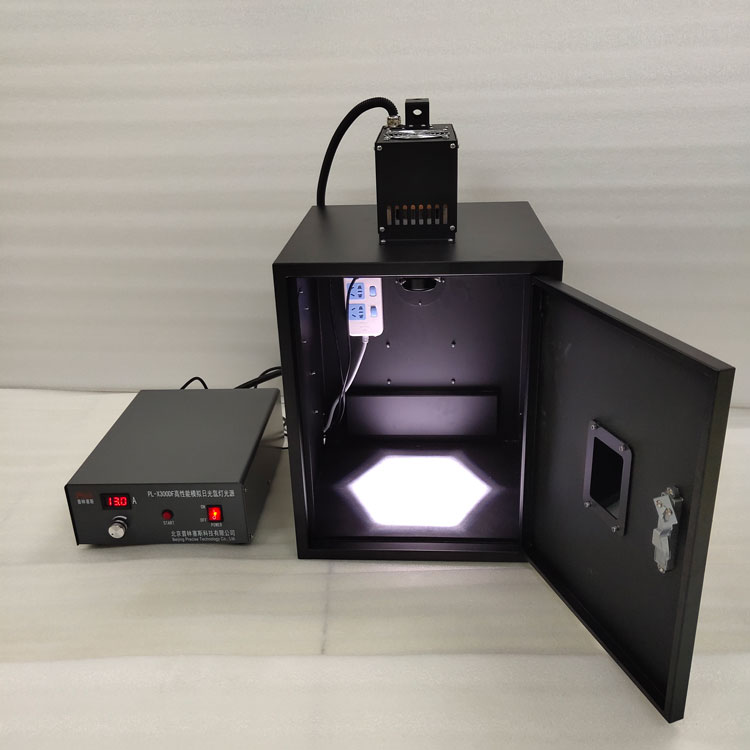
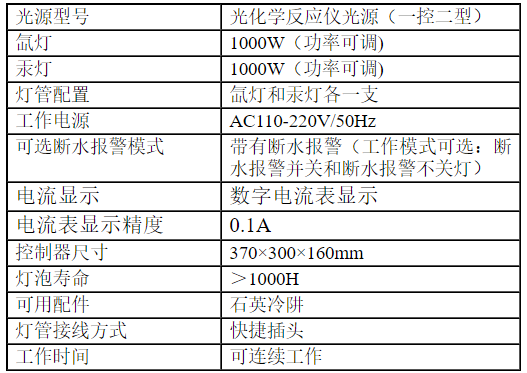
Xenon and mercury light sources are ideal simulated light sources in the field of photocatalysis research, offering versatile and safe operation. They can be used for various experiments and studies involving ultraviolet and visible light, gaseous or liquid phase media, fixed or flowing systems, and photochemical reactions under simulated ultraviolet or visible light exposure conditions. They are widely applied in research areas such as photo-degradation, chemical synthesis, environmental protection, and life sciences.
Photocatalytic Reactor Light Source Technical Specifications:
Section II: Photocatalytic Reaction Vessel
Available for customization with various reactors according to customer's experimental requirements.
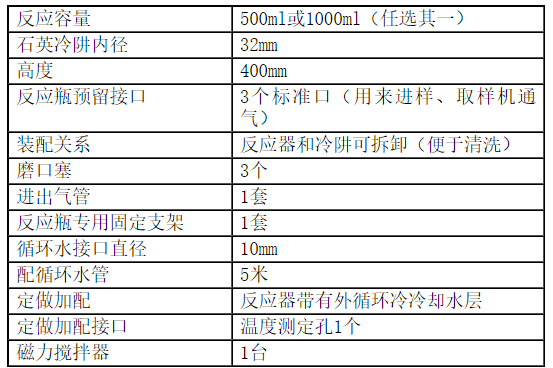
Technical Specifications:
Section 3: Photochemical Reactor Protective Enclosure
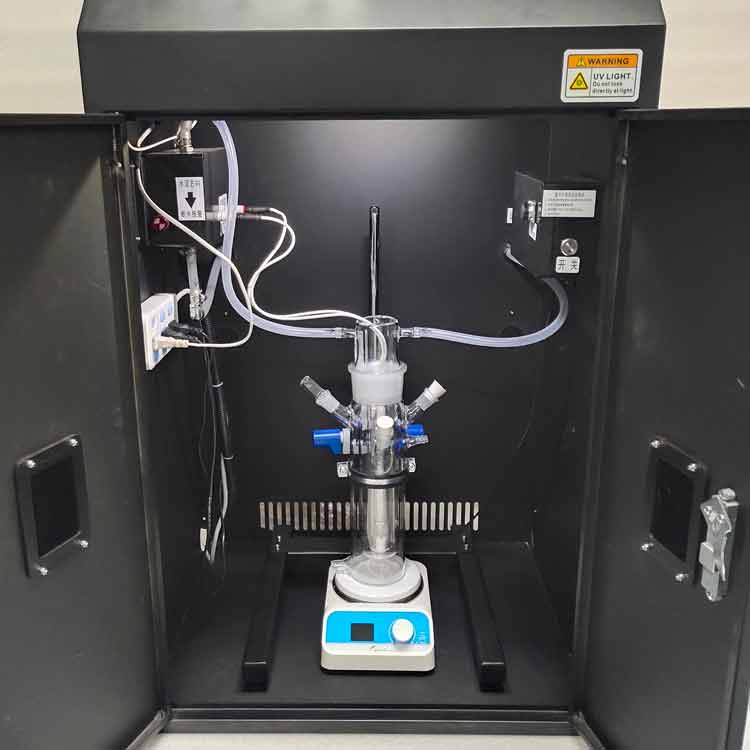
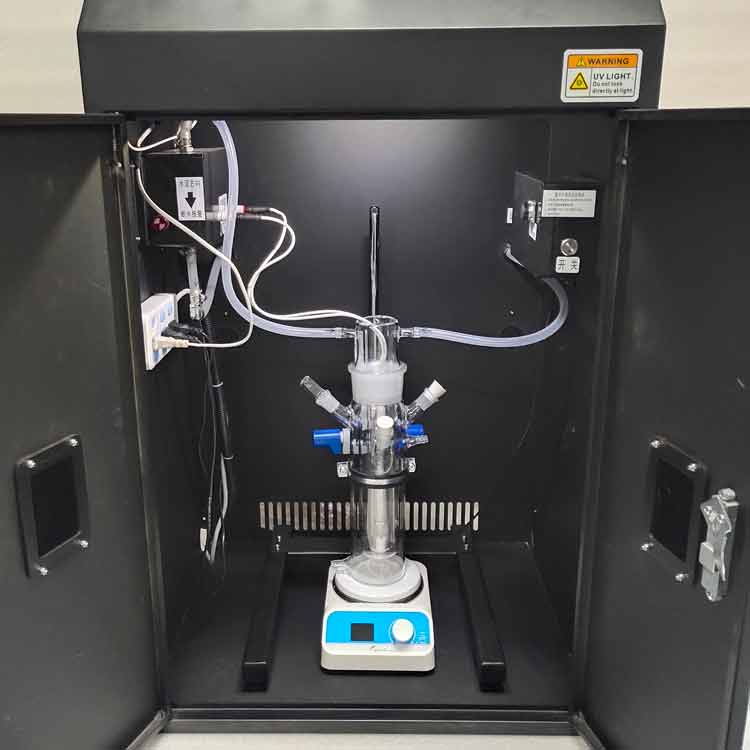
The photochemical reaction protective box features a double-door mechanism and an independent exhaust system with pipes, effectively expelling harmful gases produced by the experimental system and light source to the outdoors or ventilation ports. The box also includes two observation windows with filters, facilitating real-time monitoring of the experiment's status. The interior space is ample, accommodating various photocatalytic systems. Holes can be cut or protective boxes of different types can be customized according to the customer's experimental requirements.
Technical Features:
1. Features a double-door design for easy access.
2. Equipped with an independent observation port and a filter lens.
3. Equipped with power outlets for convenient use of internal electrical appliances.
4. Equipped with an independent exhaust system to ensure air circulation within the reaction chamber and to reduce internal temperatures.
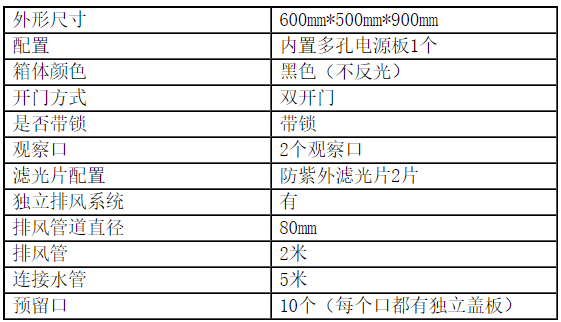
5. Dimensions: 600mm x 500mm x 900mm (L x W x H).
Protective Case Technical Specifications:
Four, Low-Temperature Sink (Customer-Specified Options Available)
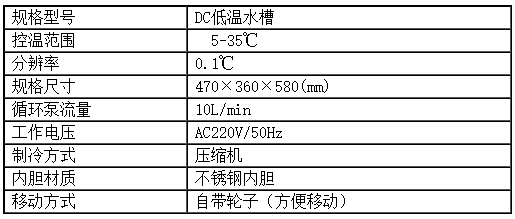
The DC Low Temperature Water Bath is widely used in research departments and colleges and universities in the fields of oil, chemical industry, electronic instruments, physics, chemistry, bioengineering, life sciences, light industry and food, physical property testing, and chemical analysis. It provides a refrigeration control for users, allowing direct constant temperature testing or testing of test samples or products within the bath. It serves as a source of auxiliary refrigeration, such as for reactors, photochemical reactors, fully automatic synthesis equipment, extraction, and condensation units.
Technical Features:
1. Fully enclosed environmental-friendly refrigeration system with compression mechanism.
2. Temperature Range: Optional 5-35°C.
3. Internal circulation function: Utilizes a magnetic circulation pump to prevent the traditional pump's self-generated heat from affecting the bath temperature field.
4. The body shell is made with anti-aging electrostatic spraying technology.
Technical Specifications: