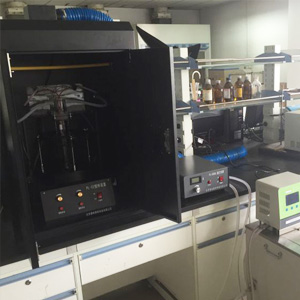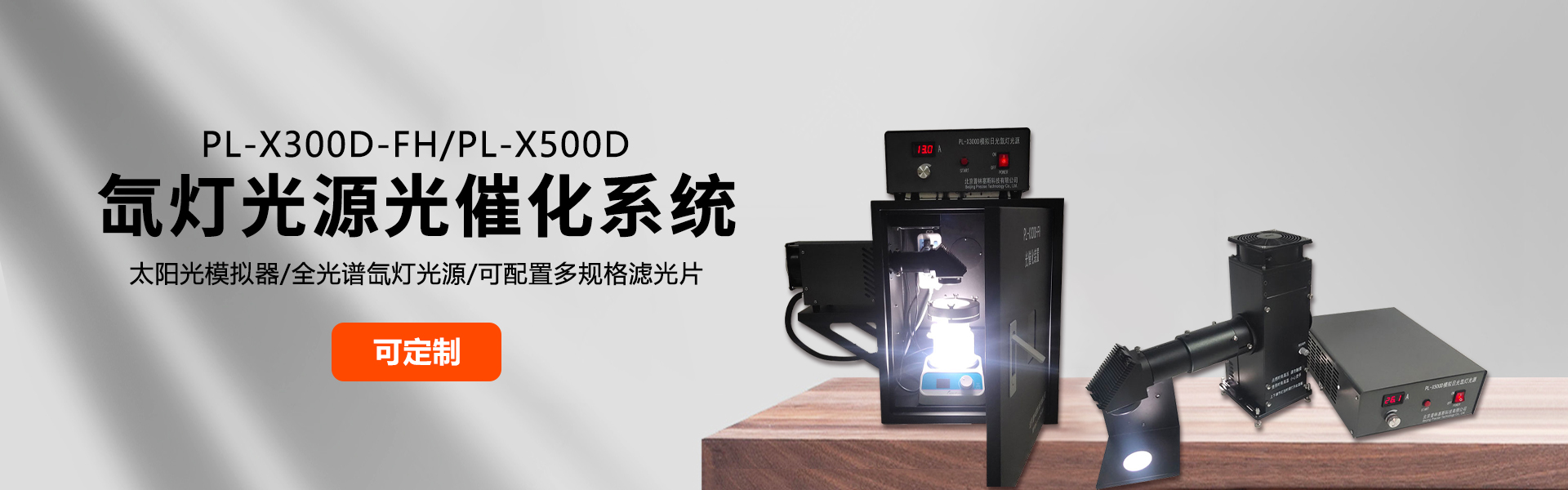
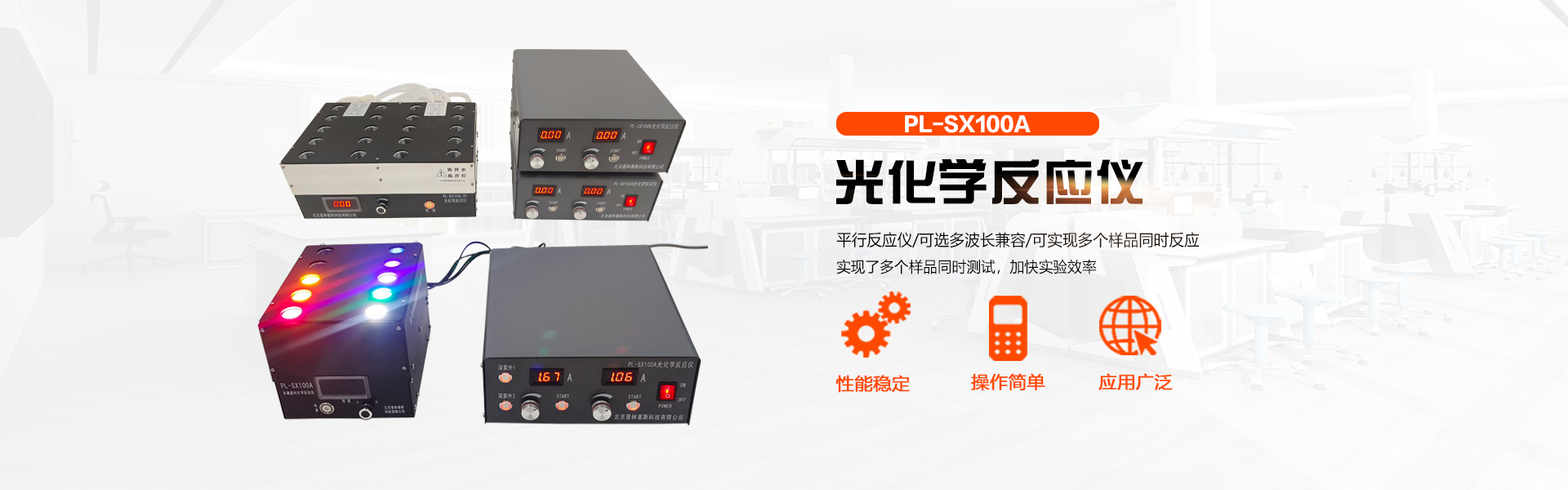

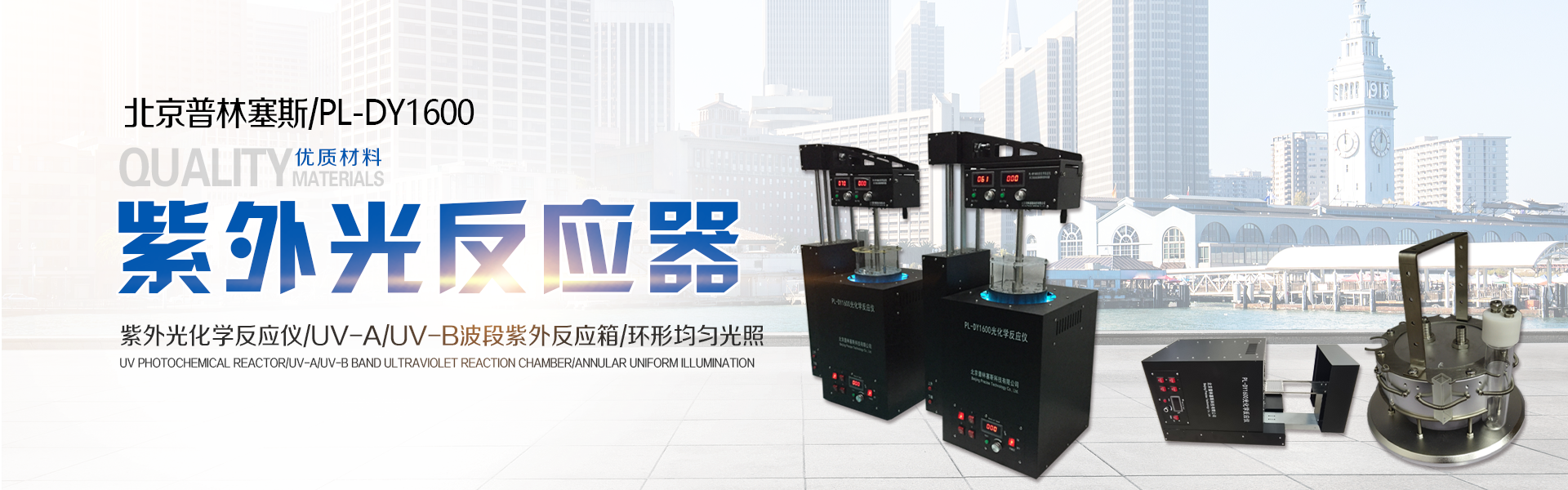
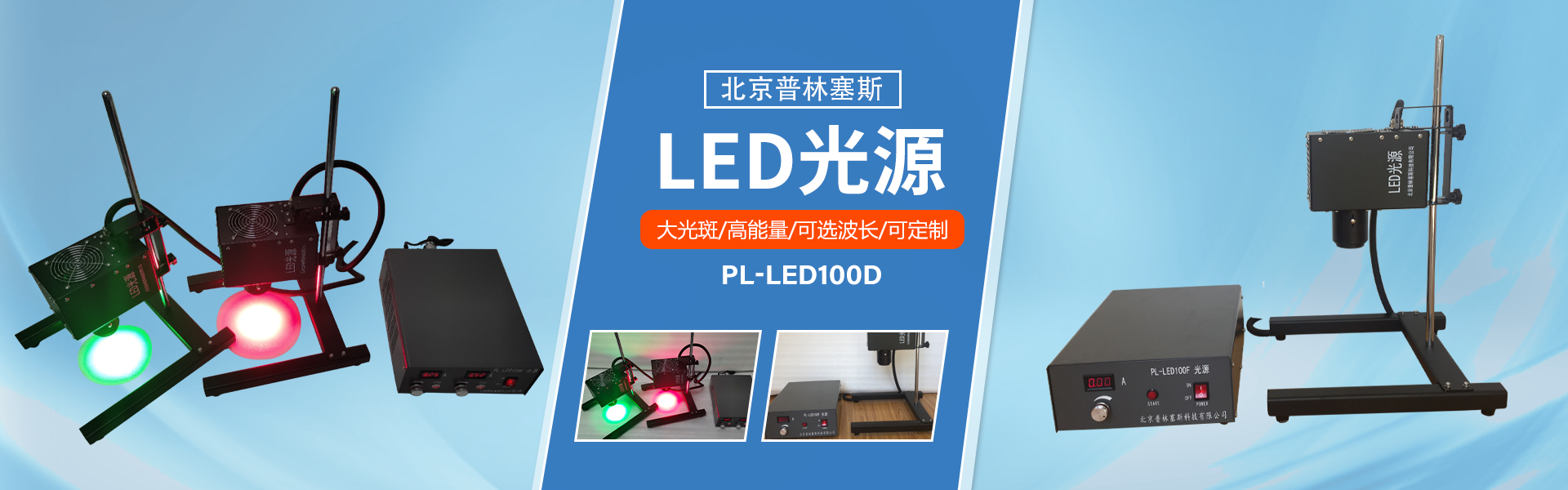
Chemical reactions often require the assistance of strong light due to the excellent promotion of visible light on such reactions. However, there is no optimal light assistance at any time. In such cases, we need a reaction apparatus to tackle this tricky issue. This is the photochemical reactor. A photochemical reactor is an instrument capable of simulating both visible light and ultraviolet light. When these devices operate under the action of a catalyst, the speed of the chemical reaction can be increased several times over.
The instrument operates simply and conveniently, while other equipment can be freely combined for flexible and versatile use.
Photocatalytic ReactorThe electrical control section and optical transmission section in the instrument are completely separated. This independent design facilitates our future overall upgrades and maintenance. The instrument is suitable for various data experiments, enabling effective data comparison tests. There are also many new design concepts in the design of the light source, and selecting a stable, efficient light source allows for use within limited space.
The entire control process of the instrument is handled by a chip, making it highly intelligent with automatic power adjustment. During the instrument's operation, current and voltage readings can be checked at any time. The calculation time can be divided into several steps. The timer is very accurate. If a stable light source is required, we can opt for a photochemical reactor to address the light source simulation issues encountered in our design.
That concludes today's introduction by our editor. Thank you for your patience in reading!