

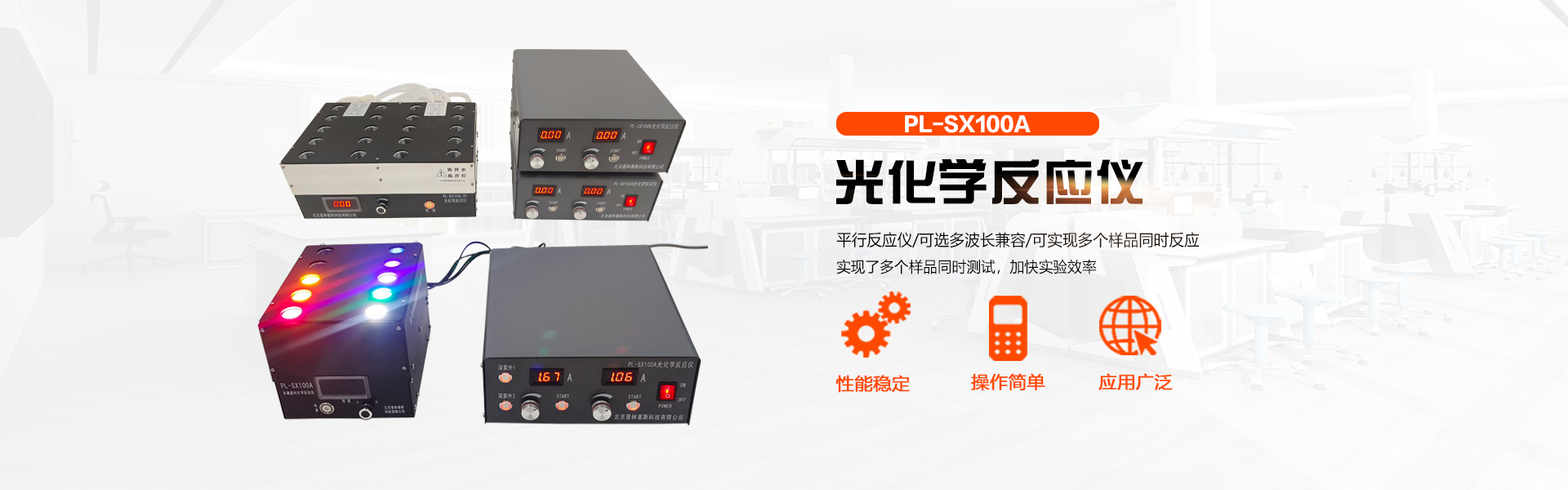

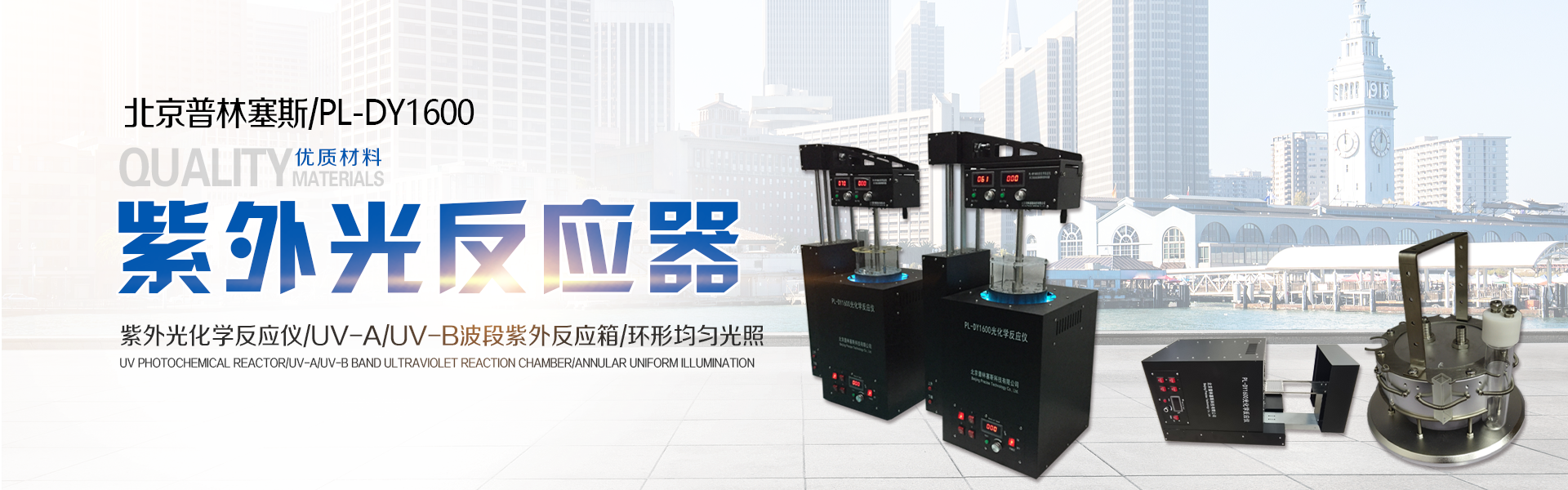
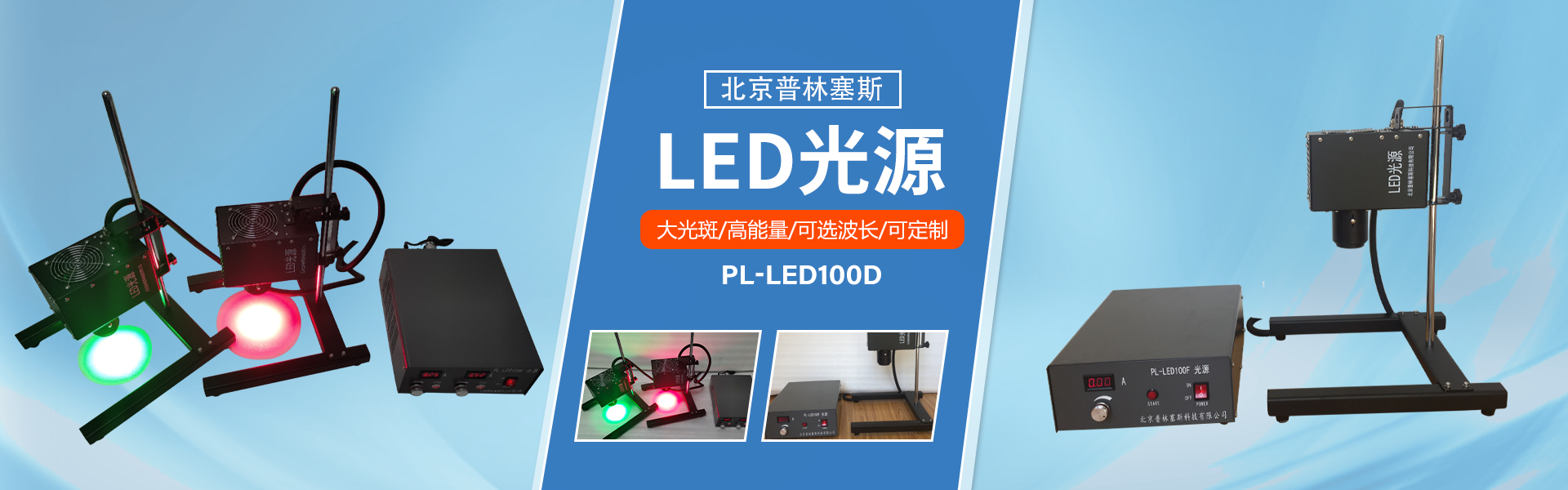
The xenon lamps in the photochemical reactor exhibit excellent consistency in electrical parameters, with minimal impact on their operational state due to external conditions. The spectral distribution of the continuous spectrum part of the xenon lamp is nearly unrelated to the lamp's input power changes, and the spectral energy distribution remains almost constant throughout its lifespan. Once ignited, the xenon lamp can achieve stable light output almost instantly; it can also be ignited instantly after extinguishing. It boasts high photo-effect and a small potential gradient. The radiated spectral energy distribution is close to sunlight, with a color temperature of approximately 6000K.
The condenser is an essential component of the photochemical reactor. It rapidly transfers heat from the pipes to the surrounding air near the pipes, converting gases or steam into liquids. When the photochemical reactor operates in the refrigeration cycle, it can expel the compressor from high-pressure or high-temperature refrigerant gases, returning it to the required operating conditions.
Please note the following operational matters:
The condenser pipeline of the photochemical reactor requires antifreeze measures during winter, as they operate at high temperatures to prevent bursting due to cold air after use.
2. Reaction instrument equipment must not be operated illegally. The hazards caused by illegal operation not only damage the machine but also pose certain risks to personal safety.
3. The photochemical reaction requires inspecting the refrigeration system of the photochemical reactor condenser, performing regular cleaning, to ensure proper operation.
The refrigerant condenser of the reactor requires lubrication in specified areas, and vulnerable parts must be maintained and cared for to ensure long-term operation.
That concludes today's introduction by our editor. Thank you for your patience in reading!

