

Ultraviolet Mercury Lamps vs. Xenon Lamps: The Differences
Light Source Structure: Tubular or spherical bulbs made of glass or quartz, with electrodes installed inside the bulb shell. These bulbs are filled with gases used for illumination, such as hydrogen, helium, deuterium, xenon, krypton, or metallic vapors like mercury, cadmium, indium, thallium, and dysprosium.
Principle of Gas Discharge: Under the influence of an electric field, gas is excited to emit electrons and ions, becoming conductive. Ions move towards the cathode, while electrons move towards the anode, gaining energy from the electric field. When they collide with gas atoms or molecules, they can excite new electrons and ions, and also stimulate the gas atoms, causing inner electrons to jump to higher energy levels. As the excited electrons return to lower energy levels, they emit photons.
Mercury Lamp Categories: Low-Pressure Mercury Lamp, High-Pressure Mercury Lamp, Ultra-High-Pressure Mercury Lamp
Mercury lamp luminescent characteristics: As the pressure of mercury increases, the luminescent efficiency of the mercury lamp also improves, and the emitted light transitions from a line spectrum to a band spectrum.
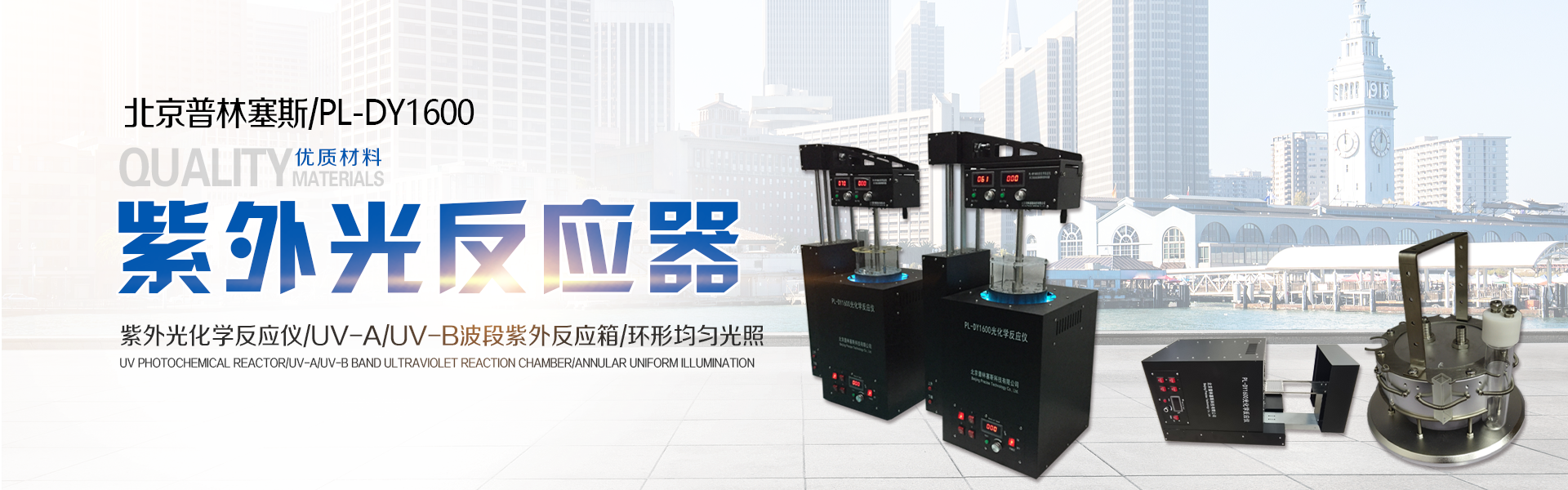
Low-pressure mercury lamps – with a mercury vapor pressure of 0.8 Pa, they primarily emit ultraviolet light at 253.7 nm. Commonly used for wavelength standards in spectrometers, ultraviolet sterilization, and fluorescence analysis.
High-Pressure Mercury Lamps - Mercury vapor pressure ranges from (1-10) * 10^5 Pa. The visible region exhibits a band spectrum, while the infrared region shows a weak continuous spectrum. They are commonly used for ultraviolet irradiance standards, fluorescence analysis, ultraviolet detection, and large-area lighting.
Spherical High-Voltage Mercury Lamps - Mercury vapor pressure ranges from (10-20) MPa. The spectral lines are broader, forming a continuous background with a blue bias in the visible spectrum and enhanced infrared radiation. Often used as a point source in optical instruments, fluorescence analysis, and photolithography techniques.
Xenon lamp
Xenon Lighting Materials
Spectral Characteristics: The spectral distribution is close to sunlight, with a color temperature of 6000K, high brightness, and a lifespan of up to 1000 hours.
Classification of Xenon Lamps:
Long Arc Xenon Lamps - Featuring electrode gaps of 15 to 130 cm, these slim tubular lamps operate at a pressure of 105 Pa, ideal for large-area lighting in docks, squares, stations, and more.
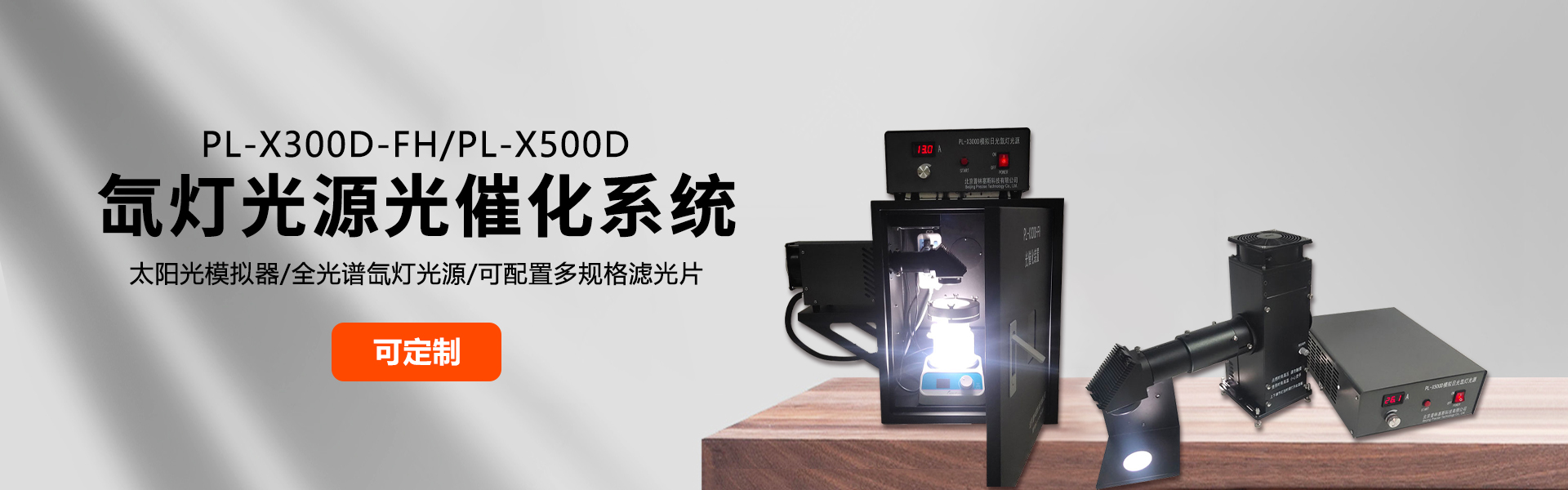
Short-arc Xenon Lamps - With electrode spacing in the millimeter range and operating at a pressure of 1 to 2 MPa, these lamps are excellent daylight-point sources, commonly used in movie projection, color photography, photolithography, and daylight simulation.
Pulsed Xenon Lamps — These lamps operate at pressures below 100 Pa and produce light pulses through high-voltage electrical pulses, emitting intense light in a very short time span. They are widely used in solid-state laser pumps, photographic plate making, high-speed photography, and light signal sources.
