
When materials are used outdoors, they are subjected to prolonged exposure to sunlight or through glass filtering. Therefore, measuring the effects of light, heat, humidity, and other climatic stresses on the material's color and performance is crucial. However, to quickly measure the impact of light, heat, and humidity on a material's physical, chemical, and optical properties, it is often necessary to use specific laboratory light sources to accelerate aging tests.
Due to the discrepancies between laboratory accelerated exposure and actual usage, laboratory tests often fail to replicate all exposure factors under real-world conditions, making it challenging to correlate the results of the two exposure tests. No laboratory exposure test can fully simulate actual exposure conditions.
Due to varying factors such as UV radiation, humidity duration, temperature, and pollution, the relative durability of materials under actual usage conditions can differ by region.
Therefore, even if a specific laboratory accelerated test result is found to compare the relative durability of materials exposed to outdoor or actual usage conditions, the relative durability of materials exposed to different actual usage conditions cannot be considered.
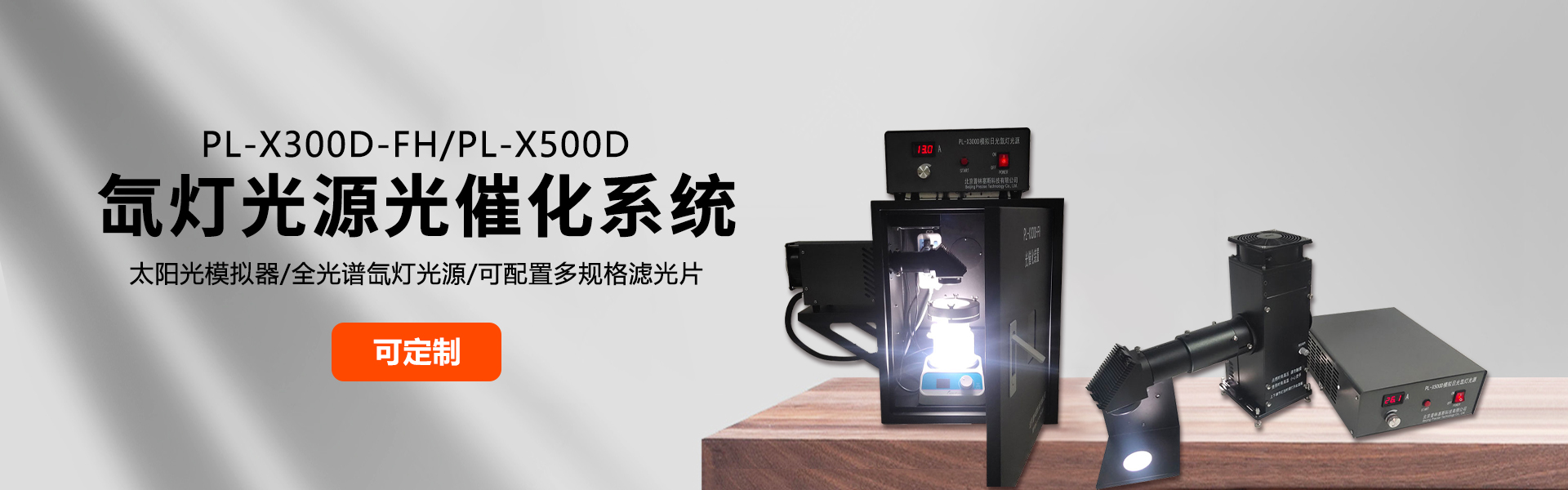
The results of the xenon light source accelerated exposure test are applicable for comparing the relevant properties of materials. It is a common application to determine if the quality levels of different batches of materials are the same as the reference objects with known properties.
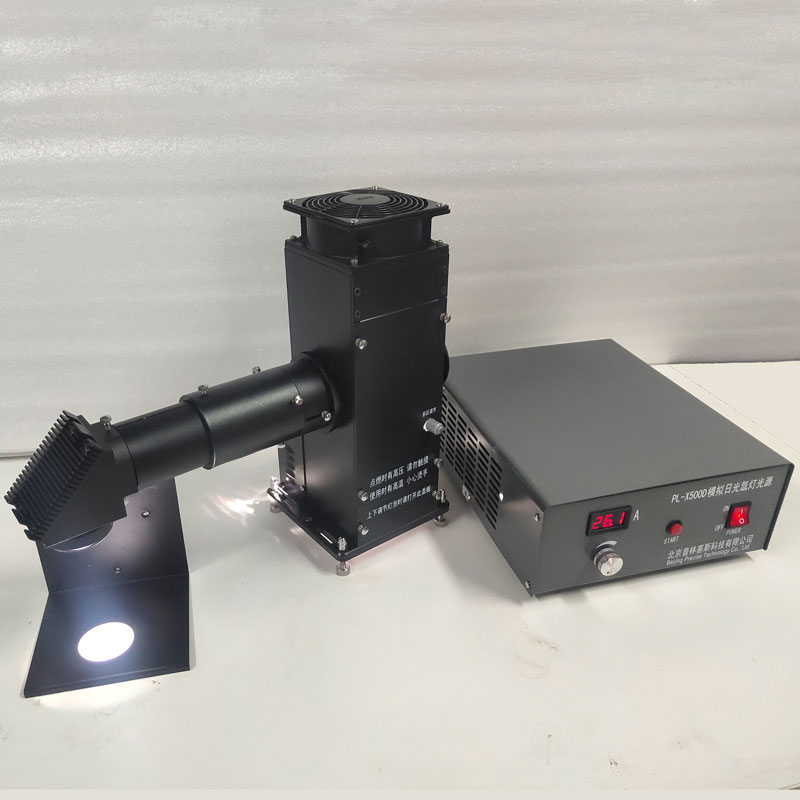
Xenon light source characteristics:
Utilizing professional imported power sources, featuring low ripple and stable reliability, effectively extending the lifespan of the light source.
2. Non-metallic light boxes to avoid electrical safety risks in laboratories.
3. Compact in structure, with a small footprint, reducing the need for experimental space.
4. Axial air intake and ventilation structure ensures efficient heat dissipation for the light box.
Xenon light sources are more suitable:
Photocatalytic decomposition of water for hydrogen and oxygen production, complete water decomposition via photocatalysis, and photocatalytic CO2 reduction.
2. Photo-degradable gas pollutants (e.g., VOCs, formaldehyde, nitrogen oxides, sulfur oxides, etc.).
3. Photo-degradable liquid pollutants (such as dyes, benzene, and benzene derivatives).