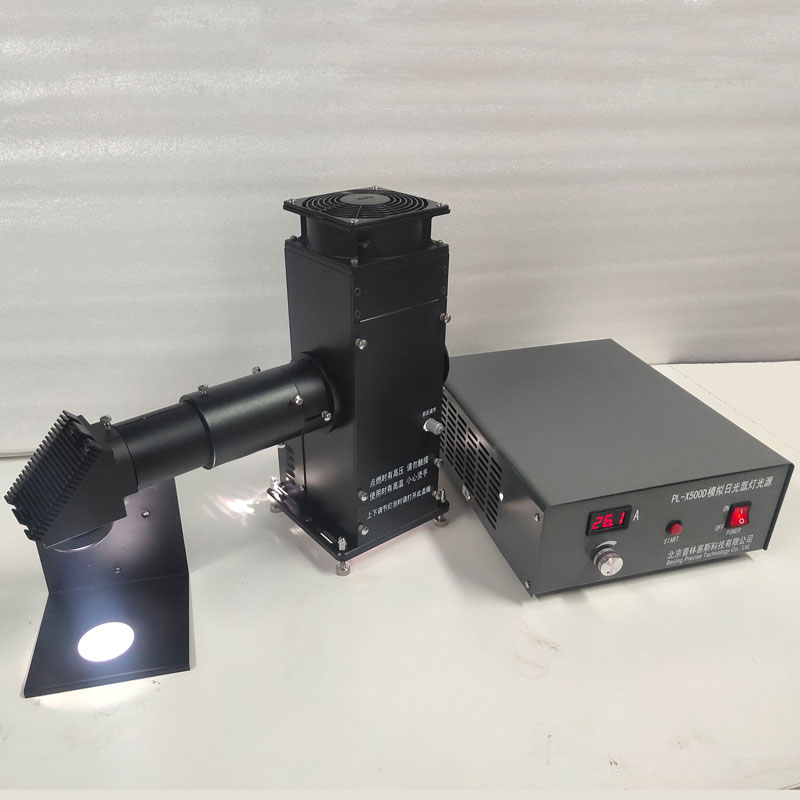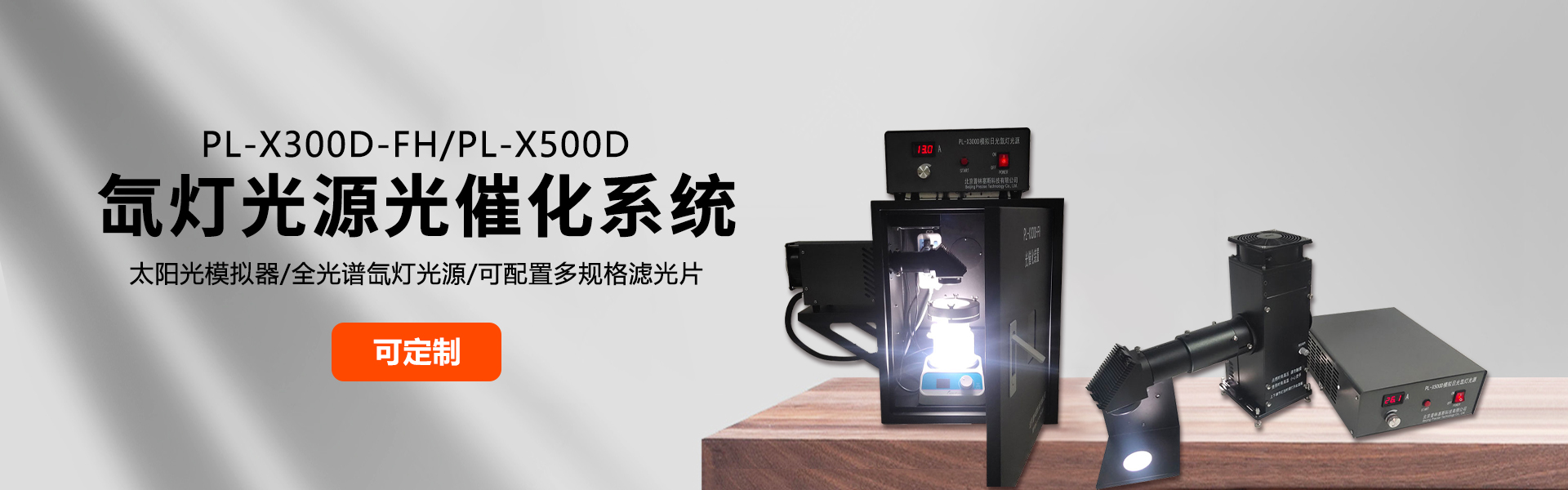

Xenon light sources are electrical light sources that utilize xenon gas discharge for illumination. Due to the inert gas xenon being the discharge material in the lamp, the difference between the excitation potential and ionization potential is minimal. The energy distribution of the spectral radiation from xenon lamps is close to that of sunlight, with a color temperature of approximately 6000K. The spectral distribution of the continuous spectrum portion of the lamp is almost independent of the lamp's input power changes, and the spectral energy distribution remains almost constant throughout the lifespan. The lamp exhibits good consistency in its light and electrical parameters, with minimal impact from external conditions. Once ignited, the xenon lamp can achieve stable light output almost instantly; it can also be reignited instantly after being turned off. Xenon lamps have low luminous efficiency and a small potential gradient.
Cautionary Notes for Xenon Light Sources
The sharp protrusion at the back of the light bulb is the sealed end, which is fragile and must not be struck.
2. Ensure the fan is operational before startup and during light source operation. If a fan malfunction is detected,严禁启动.
When the light source is in operation, no movement is permitted.
Do not stare directly into the light source when in operation. If you need to observe the light spot, you must wear protective glasses.
Do not touch the radiator surface and filter surface when the light source is in operation to avoid burns.
6. Be mindful of maintaining a clean work environment to prevent small items from falling into the ventilation holes above the light box.
7. Absolutely no work current to exceed 21 AMPs (amperes).
When the high-voltage module fails to stimulate and light the bulb multiple times (approximately 10 times), do not continue to attempt; immediately replace the bulb or contact the manufacturer.
Do not use bulbs of a different model to avoid power damage, malfunctions, or explosions.
10. UV-blocking protective eyewear and UV protective clothing must be worn during experiments, as the light source emits a strong output of ultraviolet radiation. The light source releases ozone, so it is essential to maintain good indoor ventilation or conduct the experiment in a fume hood.
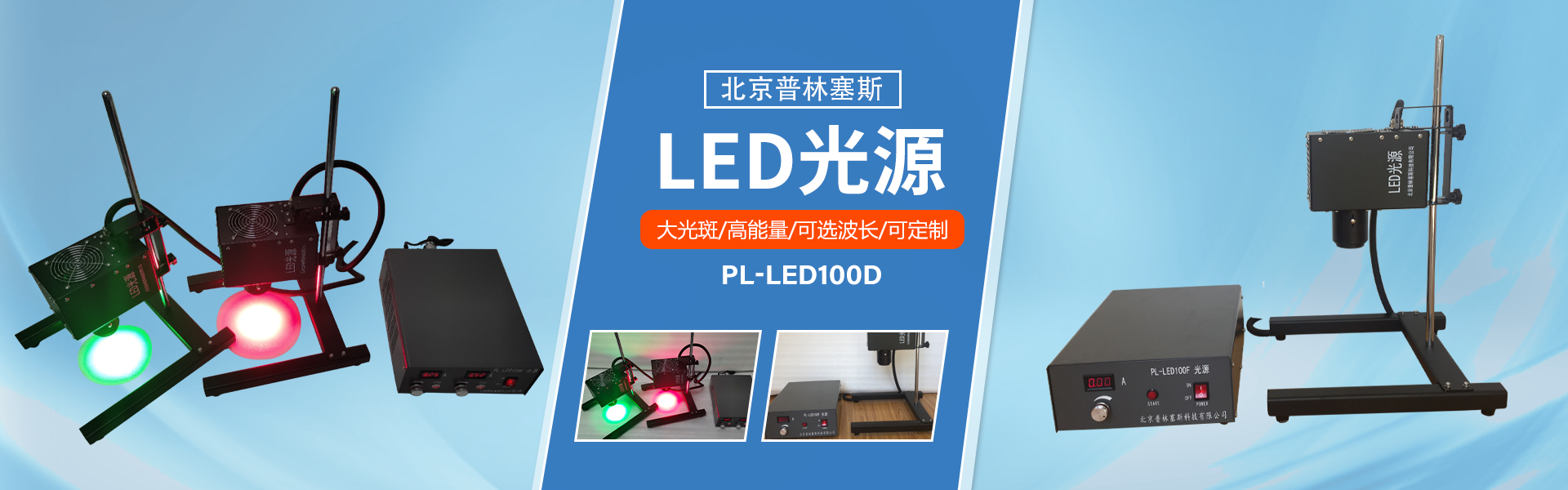
The Xenon light source system is categorized into point sources and parallel sources. It is an experimental device that utilizes the light source as the core of illumination, complemented by a professional heat dissipation system, a stable power supply, and a triggering device to light up and operate the Xenon light source. Point sources are typically connected to optical fibers, thus simulating sunlight and reaching narrow and dark experimental equipment. Parallel sources usually consist of a single light spot, which can be adjusted in size based on experimental requirements. According to the bulb structure classification, they can be divided into long-arc Xenon lamps, short-arc Xenon lamps, and spherical Xenon lamps. Depending on the lighting method, they can be categorized as internal lighting sources and external lighting sources. Long-arc Xenon lamps generally use tubular Xenon lamp tubes, placed inside the reactor and emitting light in all directions, commonly known as internal lighting sources. This light source provides full-spectrum illumination and does not require filters, but is cost-effective, suitable for preliminary photochemical research.