


Resin shingles are a common type of artificial roofing tile, typically made from a blend of resin and glass fiber. Here is an introduction to resin shingles:
Material Features:
Resin: The main component of resin shingles is resin, which is typically a polymer material known for its excellent weather resistance and corrosion resistance.
Glass Fiber: Resin shingles often contain glass fiber, enhancing their strength and durability.
Advantages:
Lightweight: The resin tiles are lightweight, easy to install, and do not add excessive weight to the structure.
Durable: Features excellent weather resistance and corrosion resistance, unaffected by ultraviolet rays, rain, and corrosion.
Insulation: Resin shingles offer certain thermal insulation properties, aiding in regulating the internal temperature of buildings.
Aesthetics: The resin tiles feature a smooth surface and a variety of colors, allowing for the selection of different colored tiles to match architectural styles and personal preferences.
Low Maintenance Costs: Compared to traditional tile materials, resin tiles offer lower maintenance costs, longer service life, and do not require frequent maintenance or repairs.
Applicable Fields:
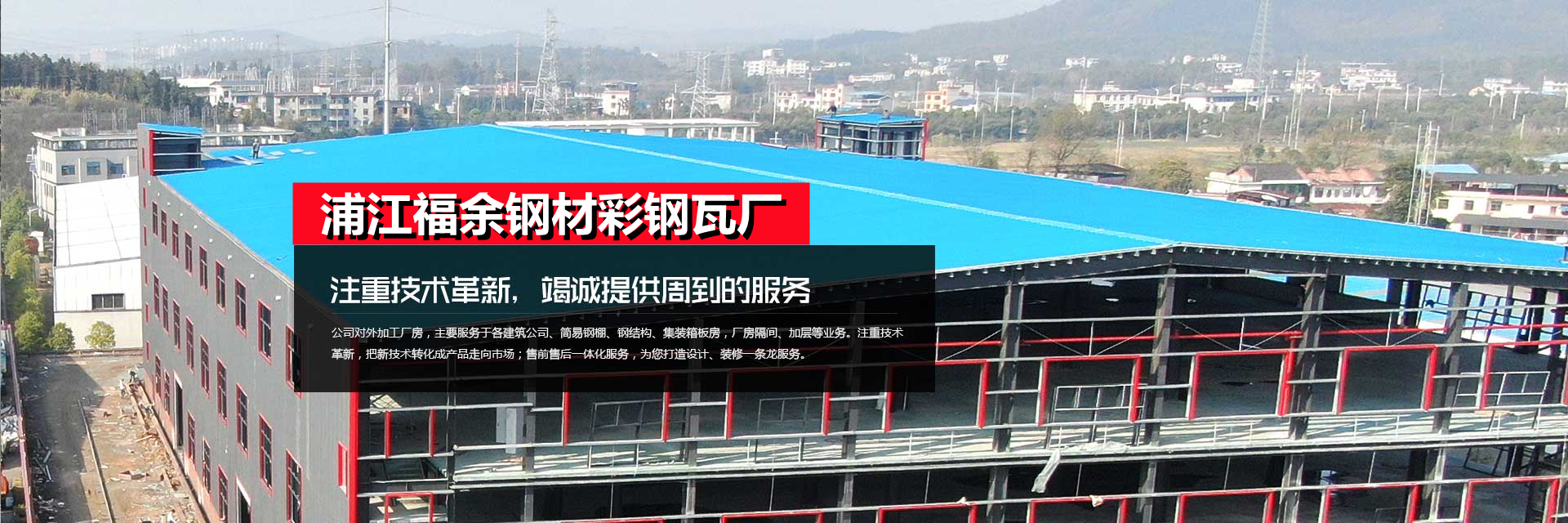
Resin shingles are suitable for roofs of various building types, including residential, commercial, and public facilities.
Also suitable for specialized buildings, such as agricultural greenhouses, industrial factories, and more.
Overall, resin shingles are increasingly favored in the construction industry due to their lightweight, durable, and aesthetically pleasing characteristics, making them a superior roofing material. When selecting resin shingles, consider relevant factors based on specific needs and budget to ensure the choice of the appropriate product.
