
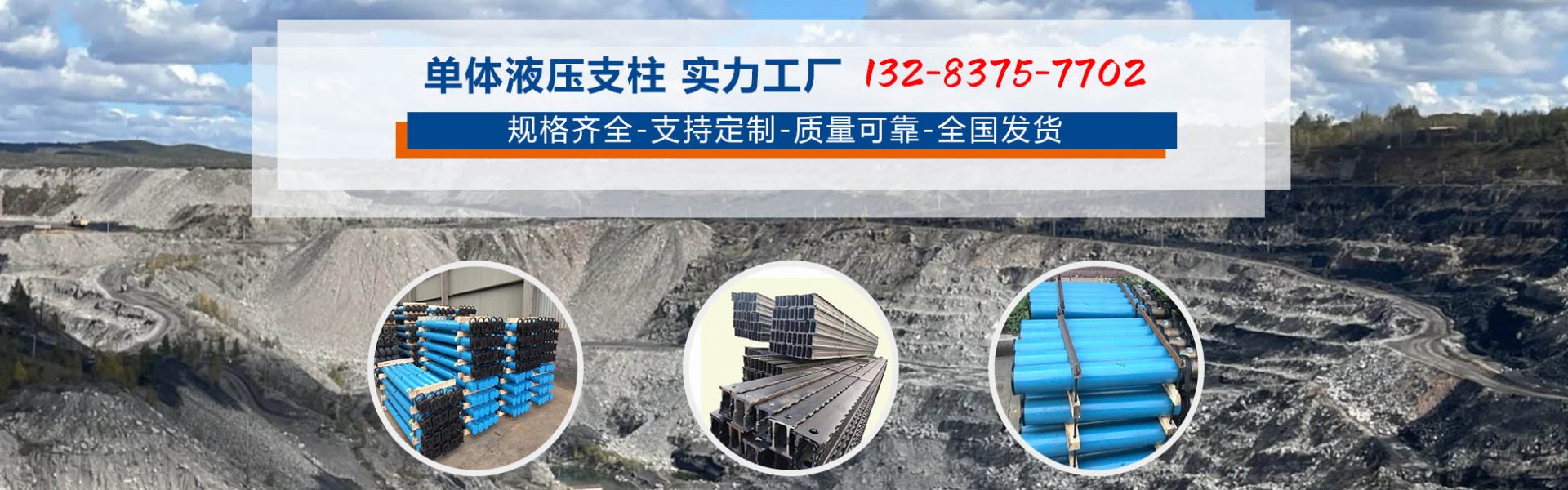

The π-shaped beam, as an efficient steel structural component, finds extensive application in the fields of construction and bridge engineering. With a cross-section in the shape of the Greek letter "π," it is焊接 from upper and lower flanges connected to the central web, this design ensures structural strength while significantly reducing its own weight, making it particularly suitable for large-span space requirements.
In industrial buildings, π-shaped beams are commonly used in factory frames, storage facilities, and logistics centers. Compared to traditional hot-rolled H-beams, their open cross-sections make it easier for pipelines to pass through, and modular assembly can shorten the construction period by over 30%. After adopting the π-shaped beam system, a car manufacturing factory successfully achieved a 48-meter column-free span, increasing space utilization by 45%. In bridge engineering, π-shaped beams demonstrate excellent bending and torsional resistance. A special bridge on the Shanghai-Kunming High-Speed Railway, by optimizing the web opening rate, reduced steel material usage by 18% while increasing load-bearing capacity by 22%.
The structure demonstrates its advantage in super-tall buildings. As a core component of the transition layer, its wide flanges effectively dissipate the concentrated loads transmitted from the massive columns. A 300-meter super-tall building in Shenzhen successfully transferred the core shaft loads to the outer frame's massive column system through the π-shaped beam transition layer design. Furthermore, its seismic performance has been verified through low-cycle reversed testing, ensuring overall stability even under rare earthquakes, providing reliable protection for lifeline projects.
The π-shaped beam, with its parametric design, allows for flexible adjustment of cross-sectional dimensions to accommodate various load combinations. A convention center has adopted variable cross-section π-shaped beams, achieving a large span of 62 meters with a steel consumption of only 105 kg/㎡, saving 23% of steel compared to traditional solutions. With the development of prefabrication technology, its factory-produced precasting and on-site bolted connection features are driving the evolution of building structures towards green and efficient directions.