
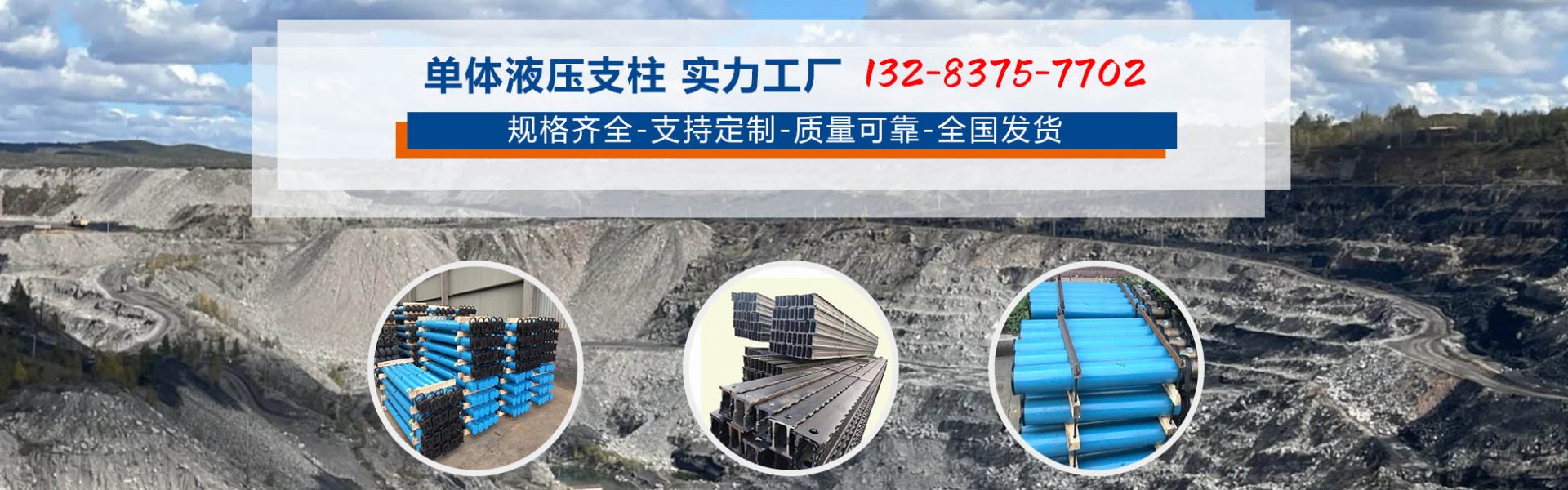

Today, we're sharing tips on the safe usage of individual hydraulic props.
No Overloading Allowed: Select the appropriate tonnage based on the tunnel's geological conditions to prevent damage or failure of the support due to exceeding the designed load.
Standardize operation sequence: When lifting columns, supply fluid before bearing load; when lowering columns, release pressure before returning fluid to prevent sudden unloading from causing roof accidents.
Regular Sealing Inspections: Conduct daily checks on the piston rod, triple valve, and pipeline seals. Replace any leaking seals immediately to prevent pressure drop.
Prevent Collision Damage: Avoid live column impacts during transportation or movement to prevent chrome plating chipping and exacerbate corrosion.
Environmental Adaptation Management: Additional waterproof covers must be installed in waterlogged areas below ground to prevent emulsion dilution or rusting of metal components.
Pressure Dynamic Monitoring: Regularly calibrate the support force with a hydraulic gauge to ensure initial support force meets the standard (usually ≥90kN) and maintains normal constant resistance performance.
Prohibit Unauthorized Welding: The pillar body must not be welded to other components to prevent high temperatures from compromising material strength.
Moisture and UV Protection: When stored on the ground, avoid direct sunlight exposure, maintain a dry and well-ventilated environment, and prevent rubber seals from aging.
Following these regulations can significantly enhance equipment lifespan, reduce the risk of support failure, and ensure safety in underground operations.