

- AllProduct Category
-
Steel Grating
Gutter Cover
Treadplate
Composite Steel Grating
Aluminum Steel Grating
Ball Catch Barrier




详情描述
Ball Retaining Bar
1. Ball Catch Rail Introduction
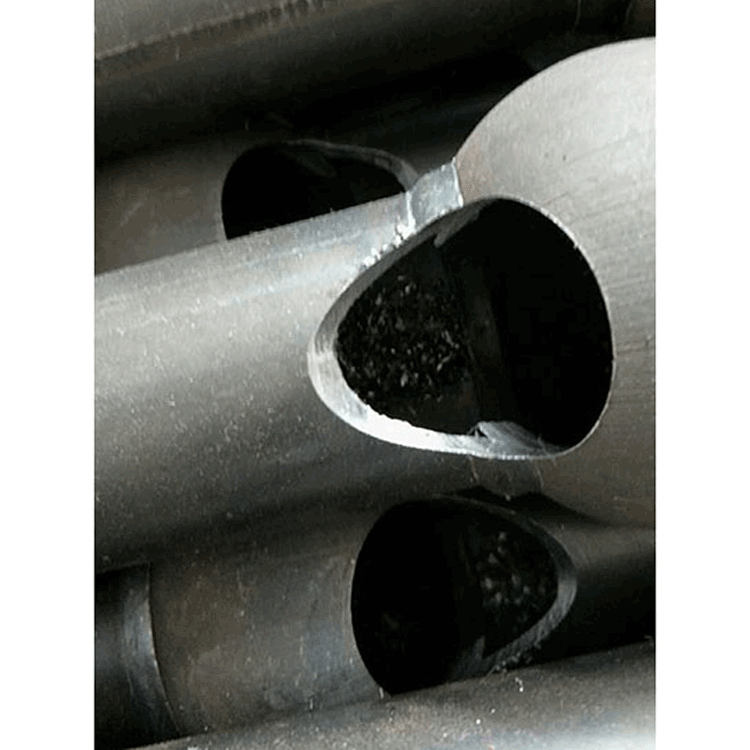
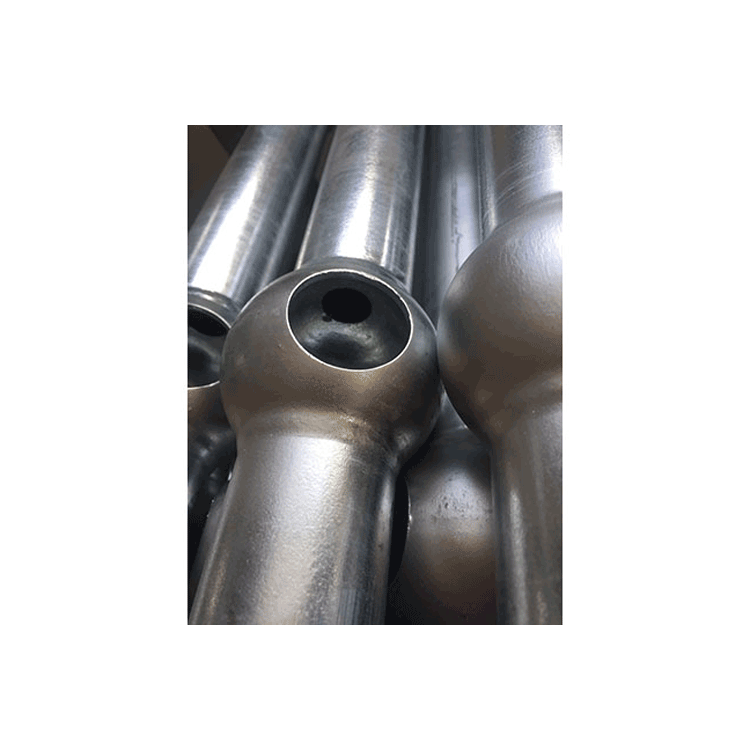
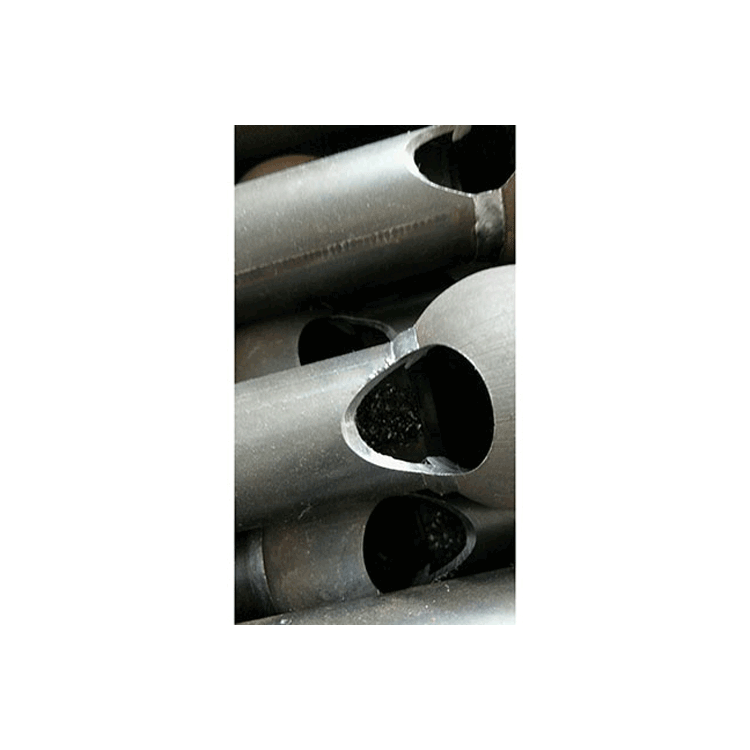
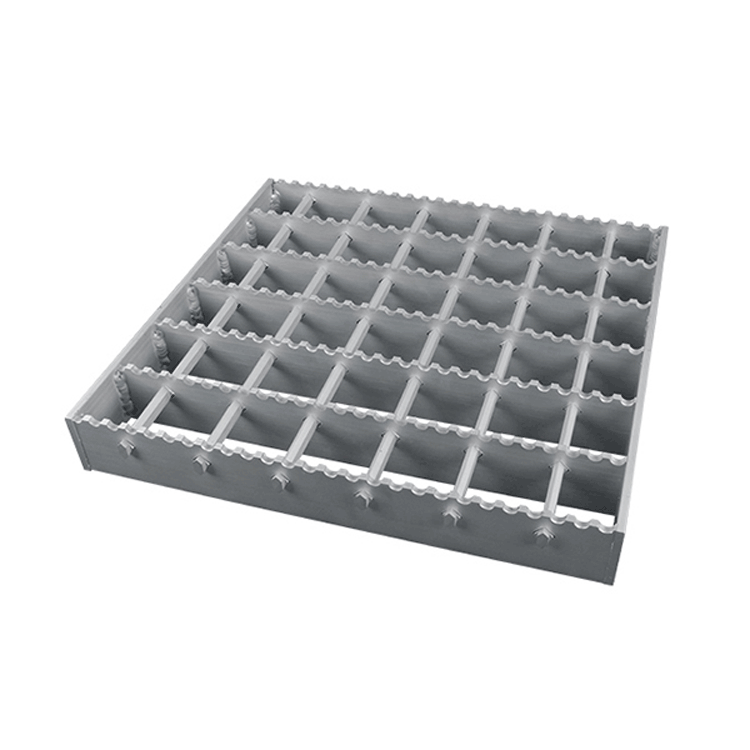
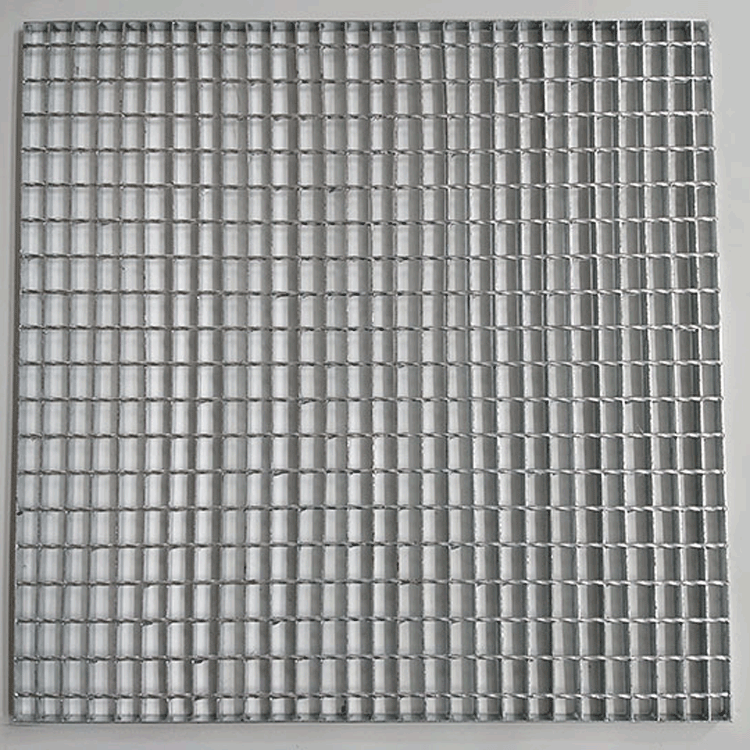
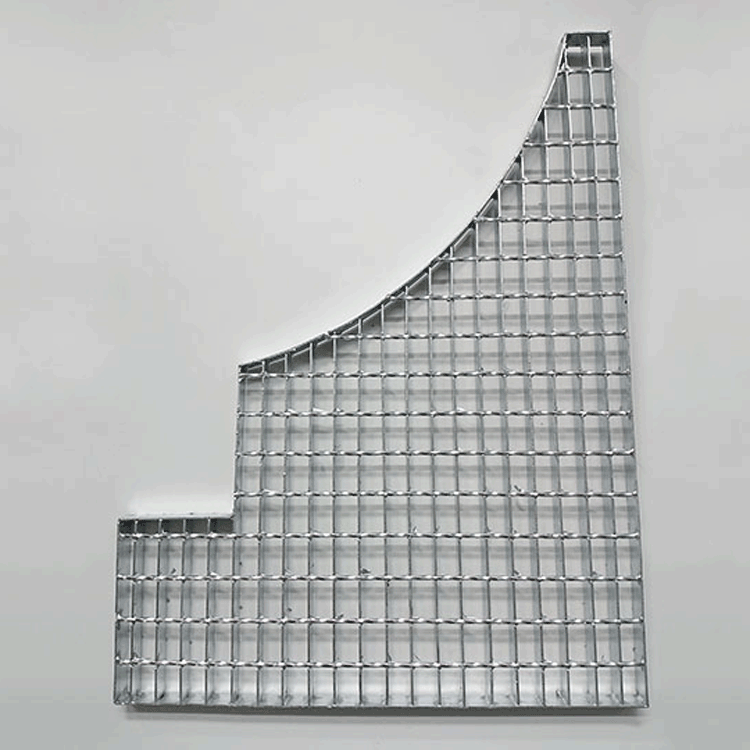
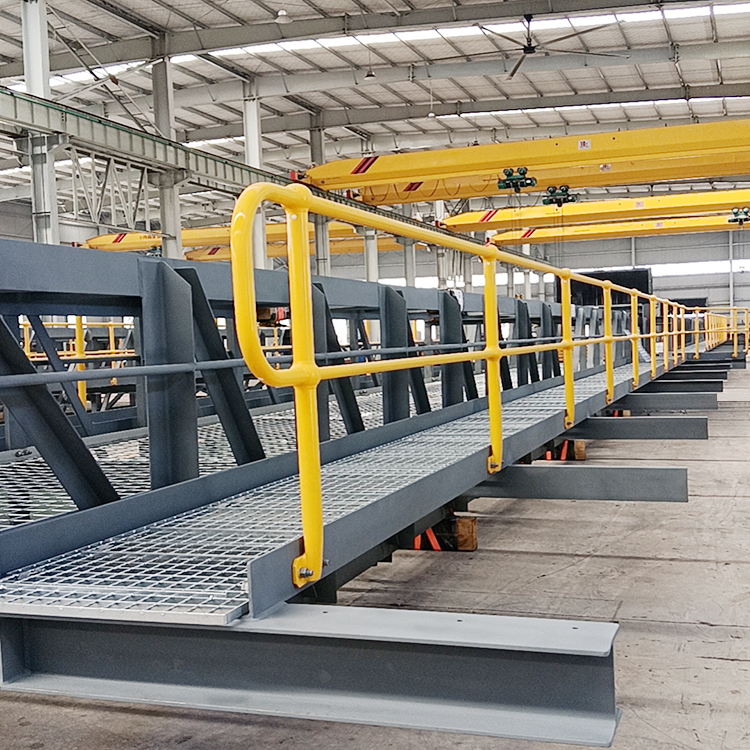
The ball guard railing is made of carbon steel (hot-dipped galvanized), aluminum alloy, and stainless steel. Accessories include railing bend pipes, which are used in conjunction with steel grating panels.
2. Material and Surface Treatment
Carbon Steel: Q235B, Surface Treatment: Natural/Hot-Dipped Zinc; Stainless Steel: 304, 316, 316L, Surface Treatment: Polished/Mirror Polished/Brushed Polished; Aluminum: 6063-T6, Surface Treatment: Polished/Mirror Polished/Brushed Polished.
3. Ball Retainer Model Representation Method
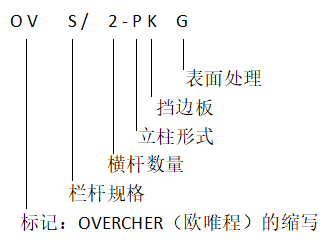
Railing Specifications: S denotes Standard Type
E stands for Economy
Crossbar Quantity: 1 means one crossbar
2 - Two horizontal bars
3 - Three horizontal bars
Pole Style: Specify the model according to the pole style diagram.
Edge plate: The edge plate needs to be marked with "K"; no edge plate should not be marked.
Surface Treatment: G denotes galvanized by hot dip
P stands for immersion varnishing.
J stands for mechanical polishing
E stands for electrochemical polishing
U stands for Unprocessed (can be abbreviated)
4. Railing Specifications and Dimensions Table

Note:
1. Steel Pipe Dimensions: The sizes before the parentheses in the table above are for carbon steel, and those within the parentheses are for stainless steel. The design drawing confirmed by both parties shall be the standard.
2. Column Spacing: Mainly available in 1000, 1200, and 1500mm.
3. Railing Height:
(1) Double Rod:
A. Handrail Height: ≥1100mm
B. Stair Handrail: Vertical height of the handrail ≥ 900mm.
(2) Three rods: Typically 1200mm.
(3) Single or triple rods as per design.
4. Connection method of crossbar and upright
(1) Generally, welding fixation is employed, with local anti-rust treatment at the welding points.
(2) Also can be secured with set screws or dowel pins; installation requires on-site drilling for corresponding mounting.
5. Brief Installation Instructions
1. Horizontal Installation
(1) Ample installation space
Align posts and pipe fittings parallel to the installation location.
b. Two ends through the railing pipe fittings mounted on the upright posts
c. Straighten the handrail and install the fixing bolts.
d. Locate and tighten bolts, adding washers if necessary.
(2) Insufficient installation space
a. Secure the end posts in place, then thread the handrail through the posts.
b. Thread upright posts onto railing pipe fittings and place spacers on the bottom plate.
c. Continue to wear the posts, place the pads on the next post, and move the previous post to the fixed position.
d. Install bolts and level, add washers if necessary.
Step-by-step installation
Please install starting from Phase 1 for safety.
b. After the initial stage of installation and positioning, install the next pillar but do not secure it.
c. Insert the railing pipe components into the first and second pillars, extending them about 75mm beyond the first pillar.
d. Install and weld the elbows securely.
Install the remaining posts and secure them.
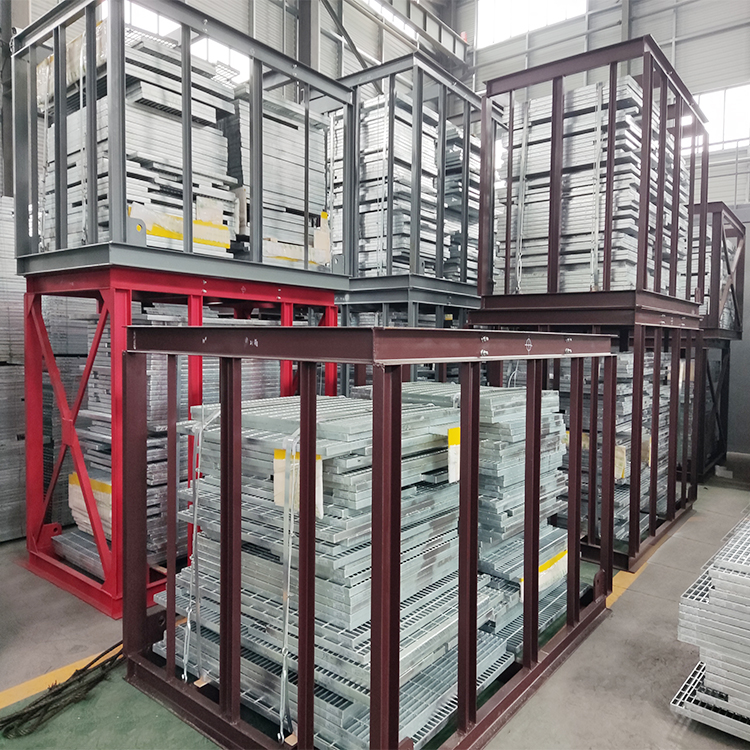
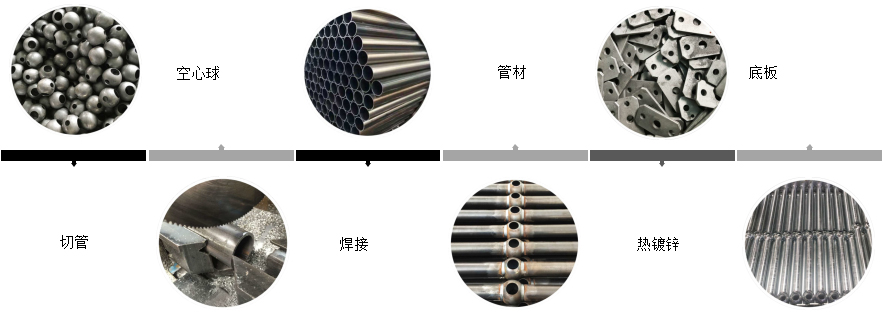
6. Ball Catching Fence Production Process
7. Ball Retainer Gate Detail Drawing
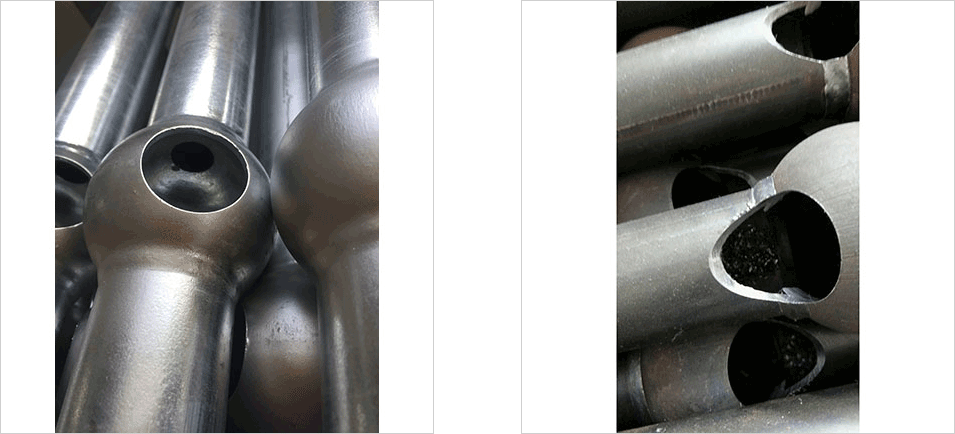
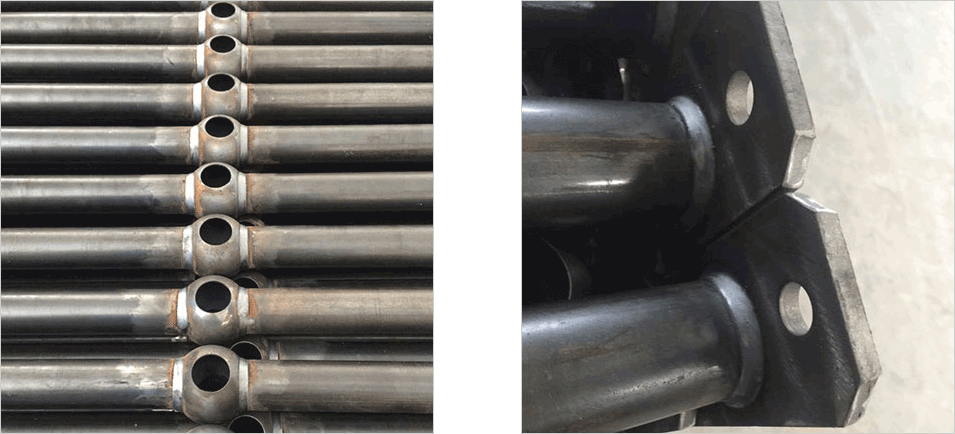
8. Application Scenarios
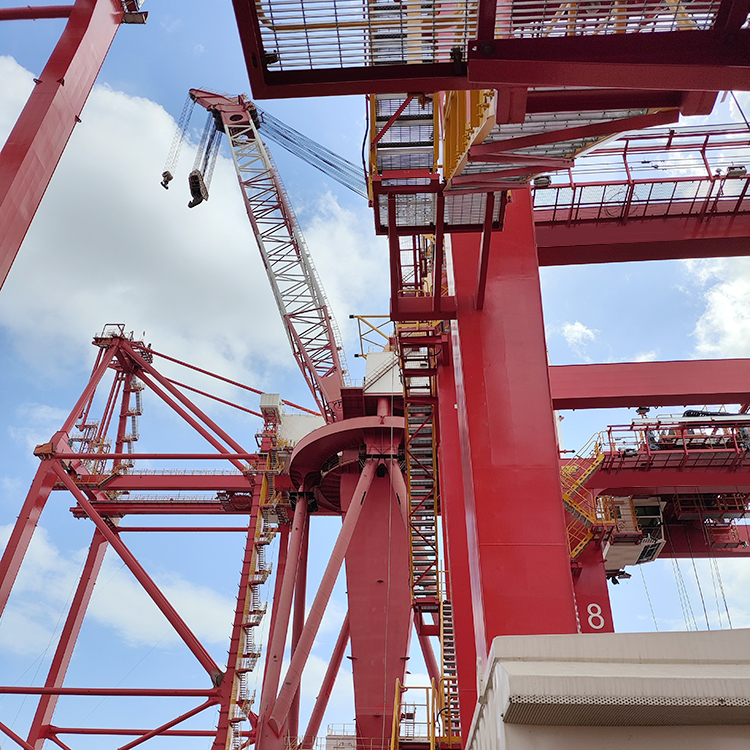
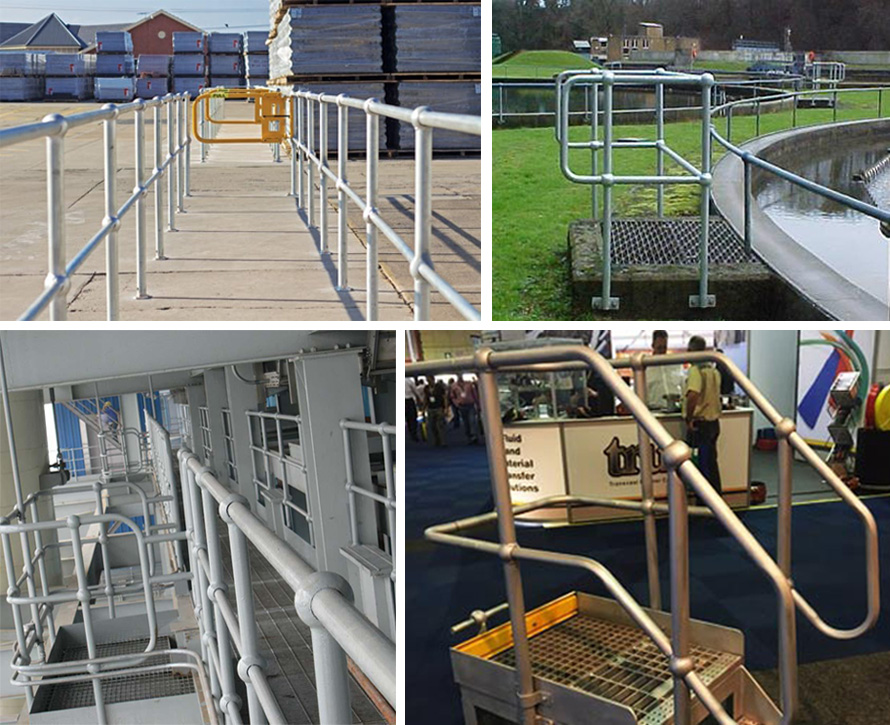
Ball-railings are widely used as handrails for stairs in commercial and industrial settings, as well as in bridges, ports, schools, fire escape routes, wastewater treatment plants, power stations, and more. They are increasingly being employed in community and residential areas, such as for separating lanes in residential communities, railings on water pavilions, and for decorating home staircases and balconies.
询价单


