
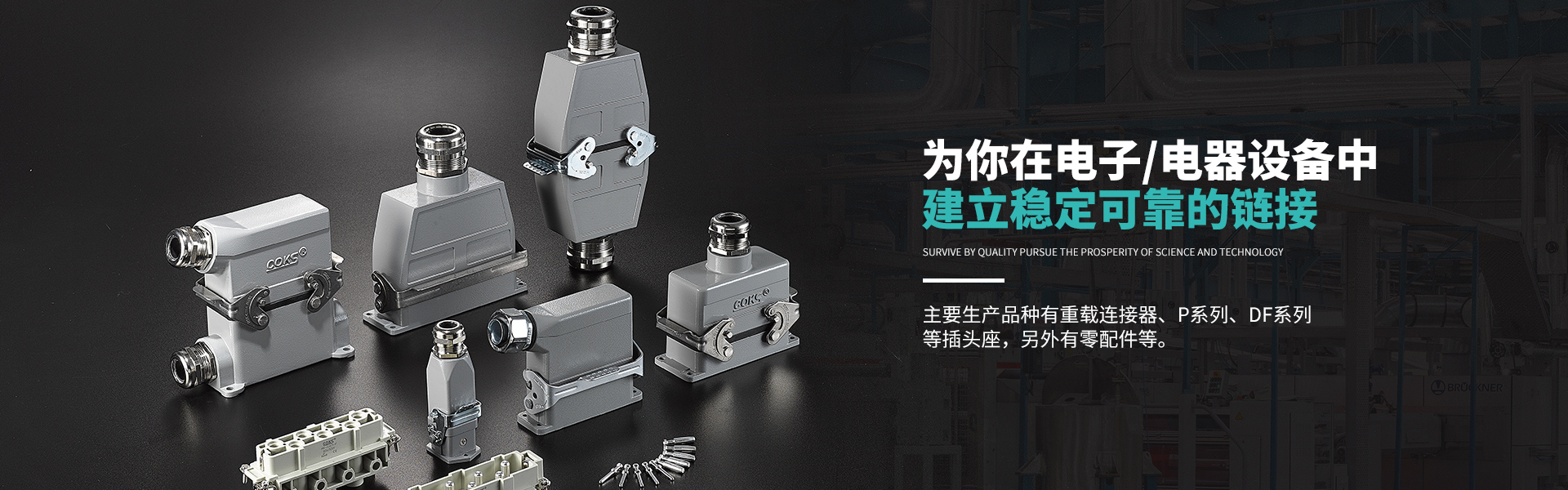
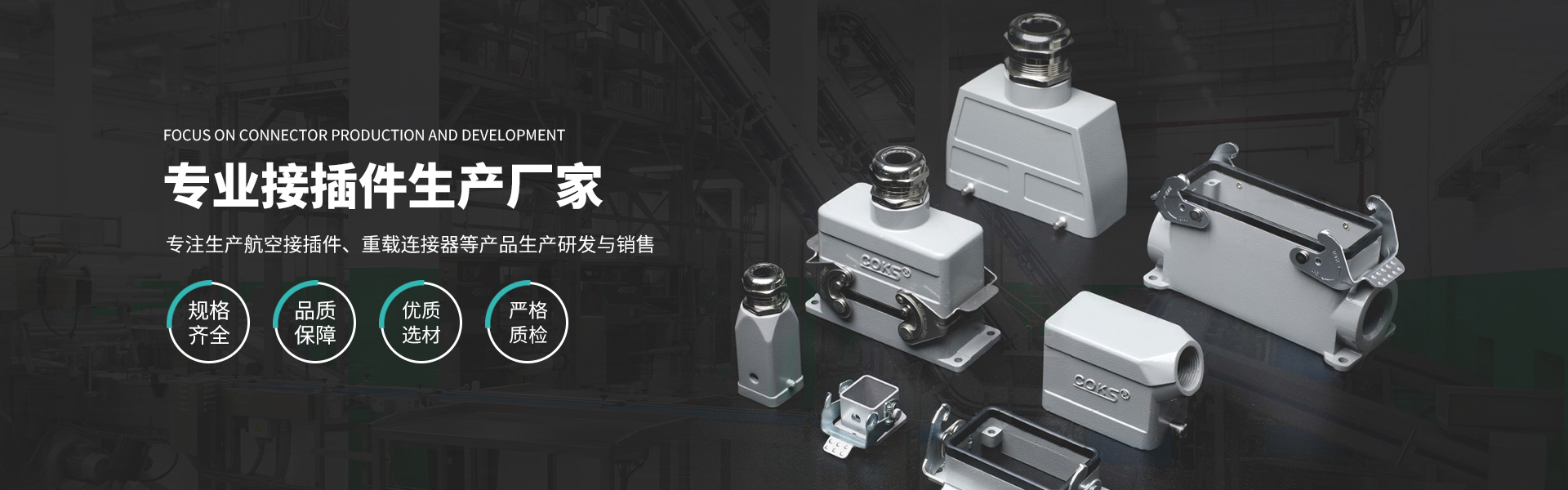


Heavy-duty connectors, primarily named such, are more suitable for connecting heavy equipment. These connectors are ideal for electrical performance equipment in structural design and material usage. The system is more reliable, far exceeding traditional connection methods.
Industrial connectors, typically heavy-duty interfaces, are often referred to as "industrial connectors." These connectors can still operate normally in harsh industrial environments, so their application in industry is not limited to manufacturing. Traditional connectors can work normally in ordinary office environments for several years, but if this equipment (i.e., copper cable or fiber optic connectors) is placed in other environments, it not only reduces performance and reliability but also significantly shortens the lifespan. Therefore, if traditional connectors are still used in extreme environments, frequent maintenance and replacement of parts are required, which can be a substantial expense.
In comparison with traditional and heavy-duty connectors, it's advisable to choose the heavy-duty option during extreme environmental conditions. These connectors are stronger and more durable.
