

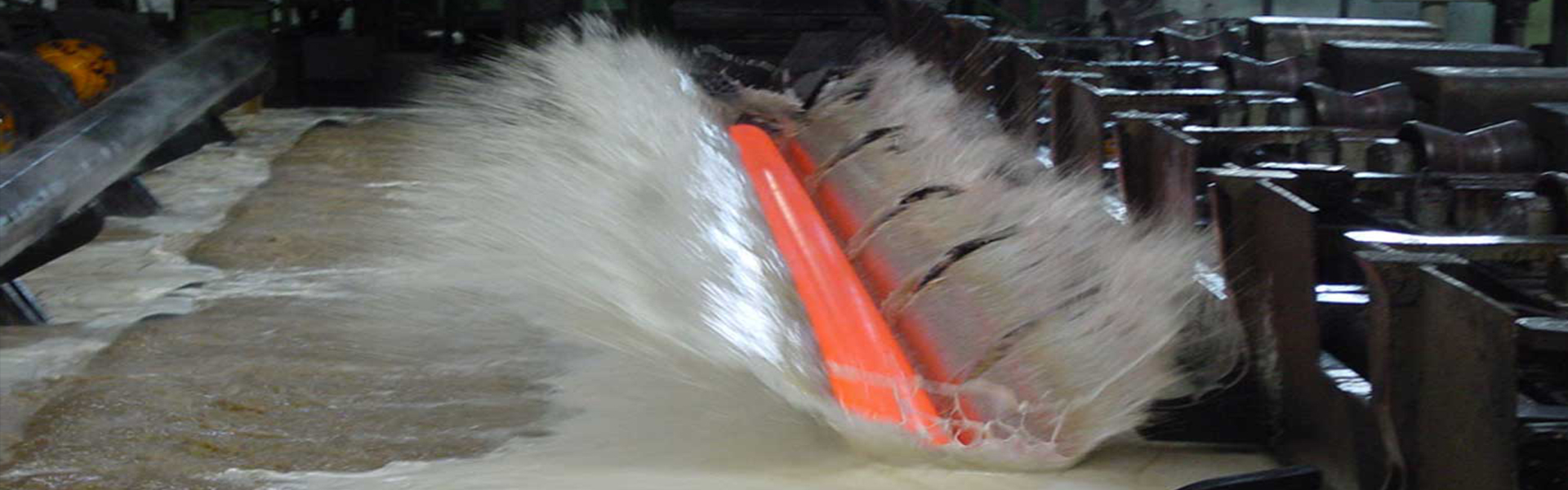





Quenching oil is a process oil used as a quenching medium.Quenching OilUsed for quenching alloy steel and small-section carbon steel, it can achieve satisfactory hardness and quenching penetration, while also preventing cracking and reducing deformation, meeting the process requirements of heat treatment.
The quenching oil should possess three major characteristics.
Higher flash point to reduce the risk of fire.
Lower viscosity to minimize oil adhesion loss on workpieces.
Non-oxidizable, with stable performance, designed to slow down aging and extend service life.
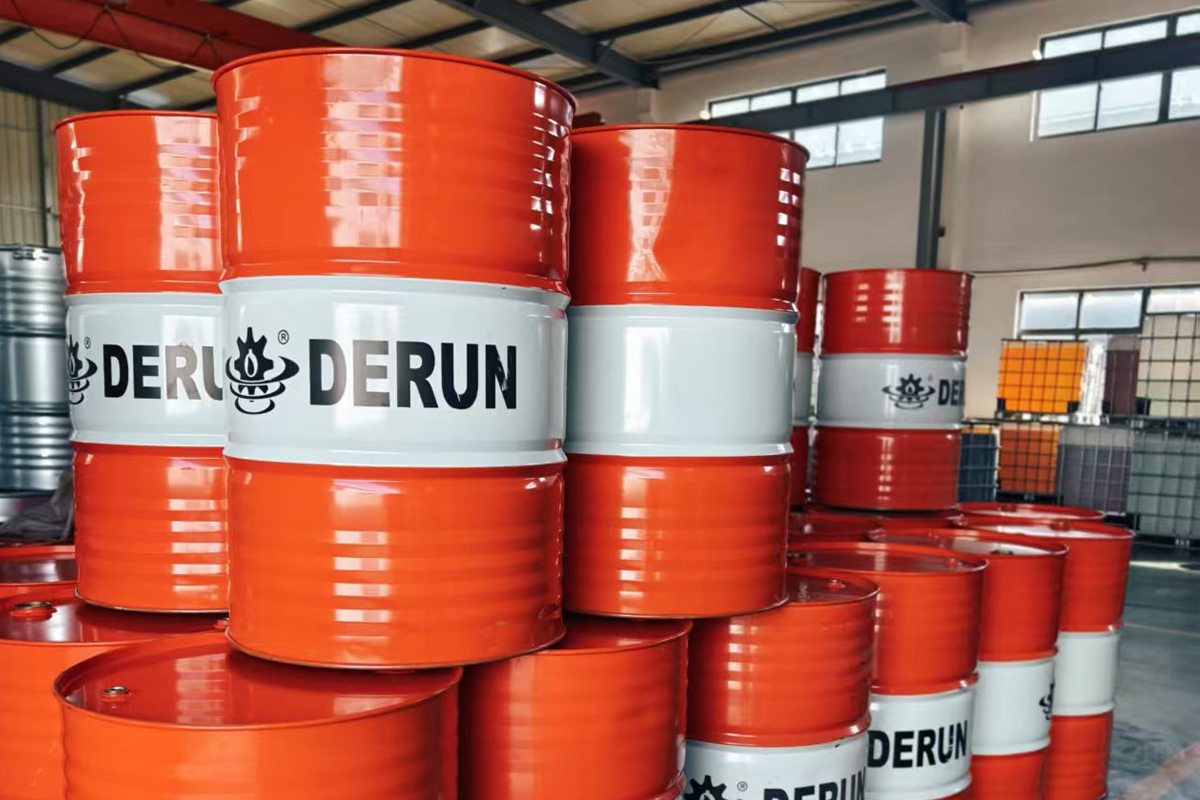
Long-term use of quenching oil, frequent contact with red-hot workpieces, leads to thermal decomposition, oxidation, and polymerization reactions of the organic medium, resulting in increased viscosity. All these changes and the products left in the medium will cause variations in the physical and chemical properties of the medium.
After long-term use of quenching oil, scaling occurs, blocking the fins' gaps, resulting in reduced flow rate and decreased heat exchange efficiency. The pressure inside the radiator reaches 0.4 MPa; the oil temperature in the oil trough is between 75-80℃. Due to safety alerts, production must stop when the oil temperature reaches 80℃, leading to frequent shutdowns and cooling down, which not only affects regular production but also poses safety risks.
