





What is Heat Treatment Quenching?
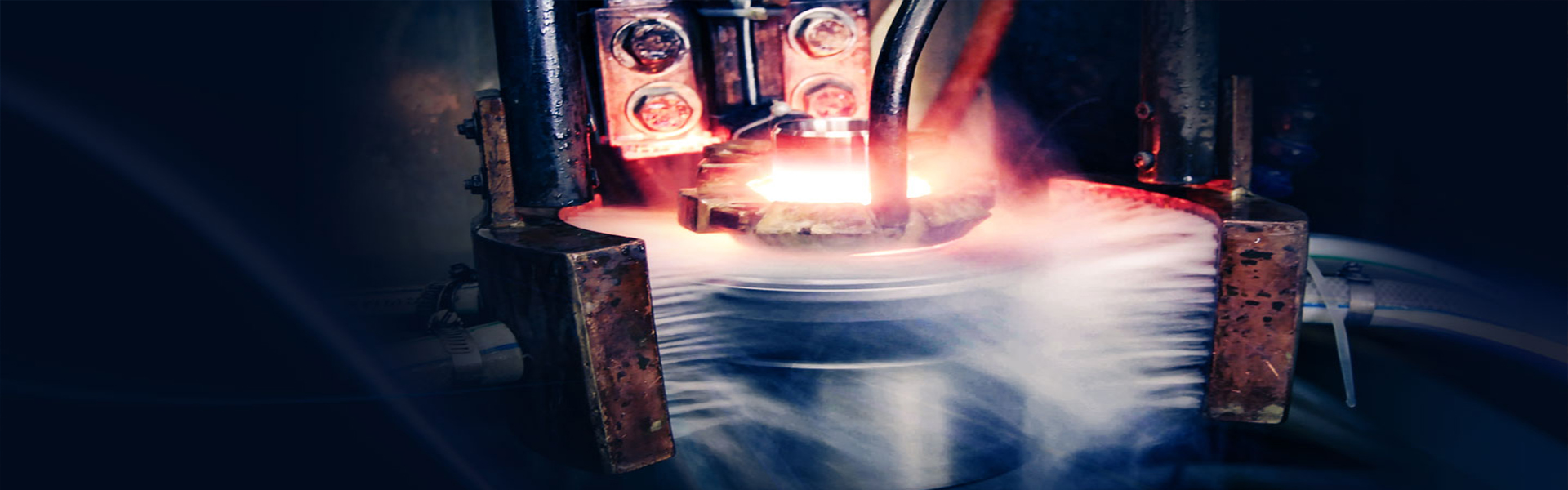
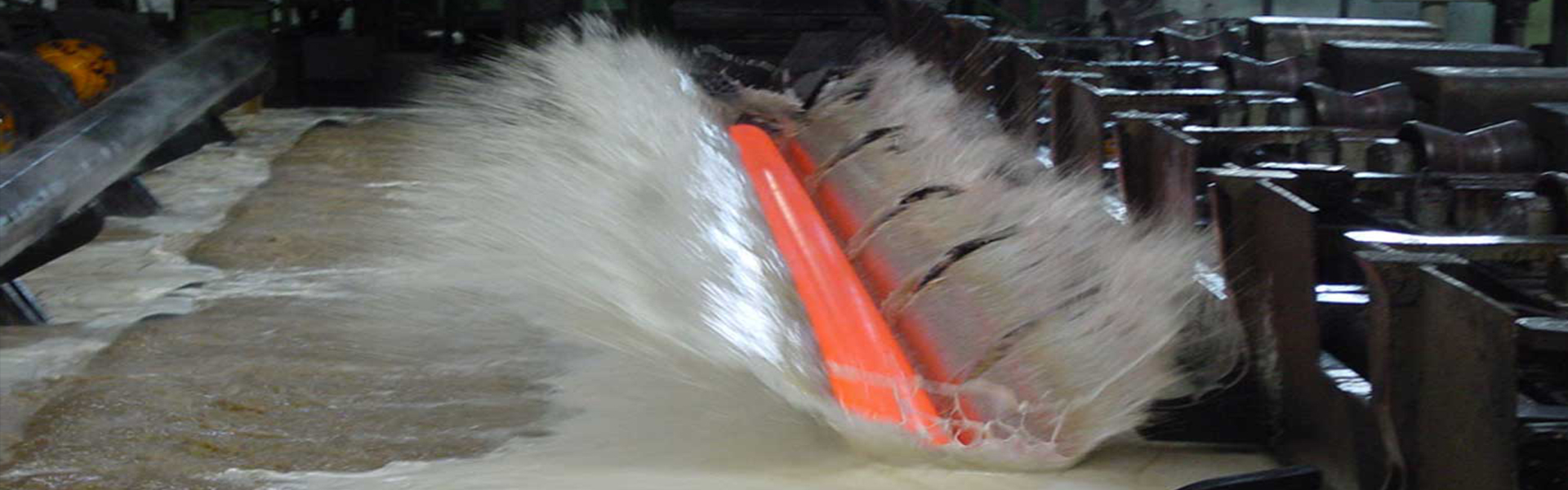
Quenching is a heat treatment process. Heat treatment quenching involves heating steel and other workpieces above the critical temperature, holding them at that temperature for a period, and then cooling them at a rate faster than the critical cooling rate to obtain an uneven microstructure primarily composed of martensite (bainite or maintaining a single-phase austenite can also be achieved depending on the requirements).
Most gears are made from hypoeutectic low-carbon alloy steel, with heat treatment processes primarily involving carburizing and quenching, as well as induction hardening. When selecting quenching media for carburizing and quenching gears, it is generally advisable to consider factors such as hardenability, dimensions (or modulus), type of heat treatment (including hardness and deformation requirements), and the type of equipment.
Heat Treatment: The Importance in Gear Machining
Early failure forms of bevel gears primarily include tooth surface spalling and root fracture, with the main causes being deformation of the gears during the carburization process. This not only reduces the gear's motion and assembly precision but also diminishes its overall performance and service life, making it a significant factor in the early failure of gears.
Several factors can lead to gear deformation, with an excessive amount of retained austenite in the carburized layer during the heat treatment process being a significant one. This retained austenite further transforms into martensite during subsequent machining and use, resulting in deformation, which is one of the causes of early failure in bevel gears.
Through heat treatment analysis and practical experience, it can be observed that a common characteristic of premature wear in the cone gears of oil-pumping unit reducers is the presence of surface carbon deficiency during the carburization process, which reduces the hardness and wear resistance of the gears. For heavily loaded carburized gears, it is recommended that the carbon content on the surface be between 0.85-0.95, with a well-distributed granular carbide structure for good wear resistance. When the surface carbon content falls below 0.80, the wear resistance is diminished.
Heat treatment enhances the physical properties of gears. Physical characteristics such as surface hardness, core hardness, surface depth, ductility, strength, wear resistance, and compressive stress distribution can vary greatly depending on the type of heat treatment applied. For any given type of heat treatment, the results can be adjusted by modifying process parameters (e.g., heating source, temperature, cycle time, atmosphere, quenching medium, and tempering cycles) to meet specific application requirements.
How does heat treatment affect the gear?
Gears, as components for a variety of heavy-duty machinery and equipment, demand high precision. Heat treatment is a crucial and complex technique in the gear manufacturing process, affecting the performance of each gear in transmitting energy or conveying motion information to other related components.
Gears are heat treated to alter their chemical, metallurgical, and physical properties, optimizing performance and extending their lifespan.
Heat treatment can alter physical properties, such as surface hardness, providing gears and bearings with simple wear resistance on their surfaces.
Heat treatment can also enhance the fatigue life of gears by generating subsurface compressive stress, preventing pitting and deformation due to high contact stress.
