


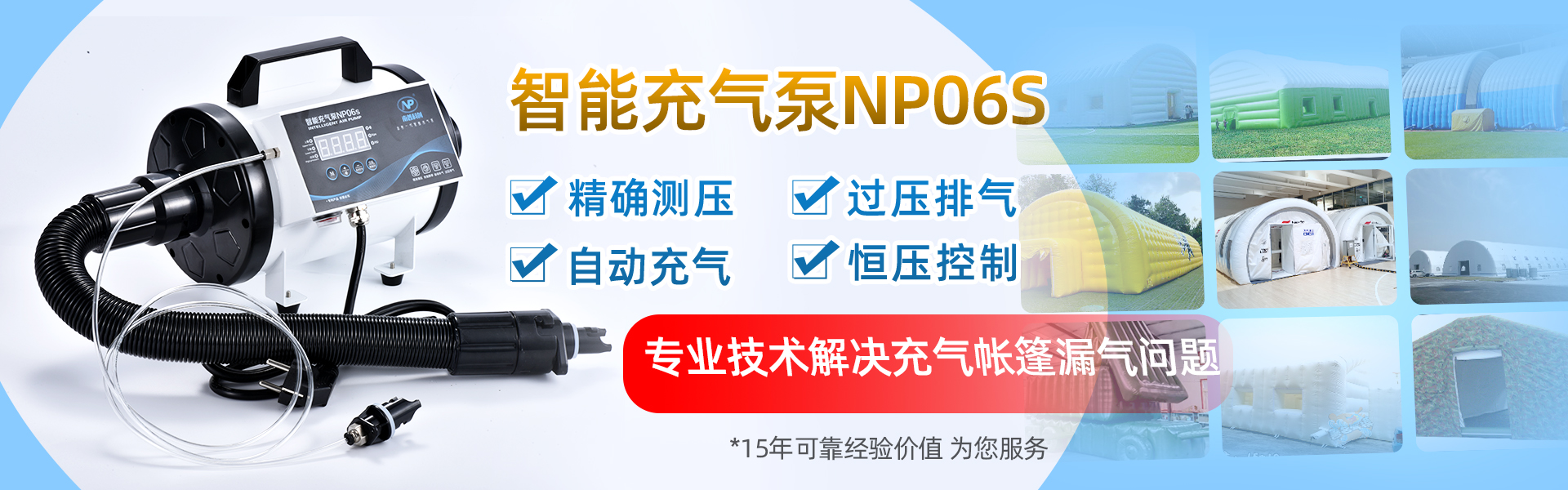


The principle of the airtightness tester: The instrument compresses precision-controlled compressed air into the test piece, then automatically shuts off the air supply, and the solenoid valve accurately controls the airflow balance for a specified duration. After that, the solenoid valve that maintains balance is shut off (with the test piece connected at one end of the balance valve and a non-leaking standard piece at the other), the airtightness test is conducted through a precise differential pressure sensor connected to the same air path of the test piece and the standard piece. It measures the differential pressure between the standard piece and the test piece within the specified time, and then, through temperature compensation, it determines the actual pressure drop caused by the leakage of the test piece, thereby judging whether the test piece is leaking.
Airtightness is a crucial factor for the success of experiments. To check for airtightness, immerse one end of the reaction apparatus tube into water, and then press the outer wall of the reactor with your palm (or gently heat it with an alcohol lamp). If the apparatus is airtight, the air inside the container will expand upon heating, causing bubbles to escape from the tube opening. After the container cools down, the airtightness tester will again raise water into the tube to form a water column. If the apparatus is leaking, no bubbles will appear.
News Center Co., Ltd.
