


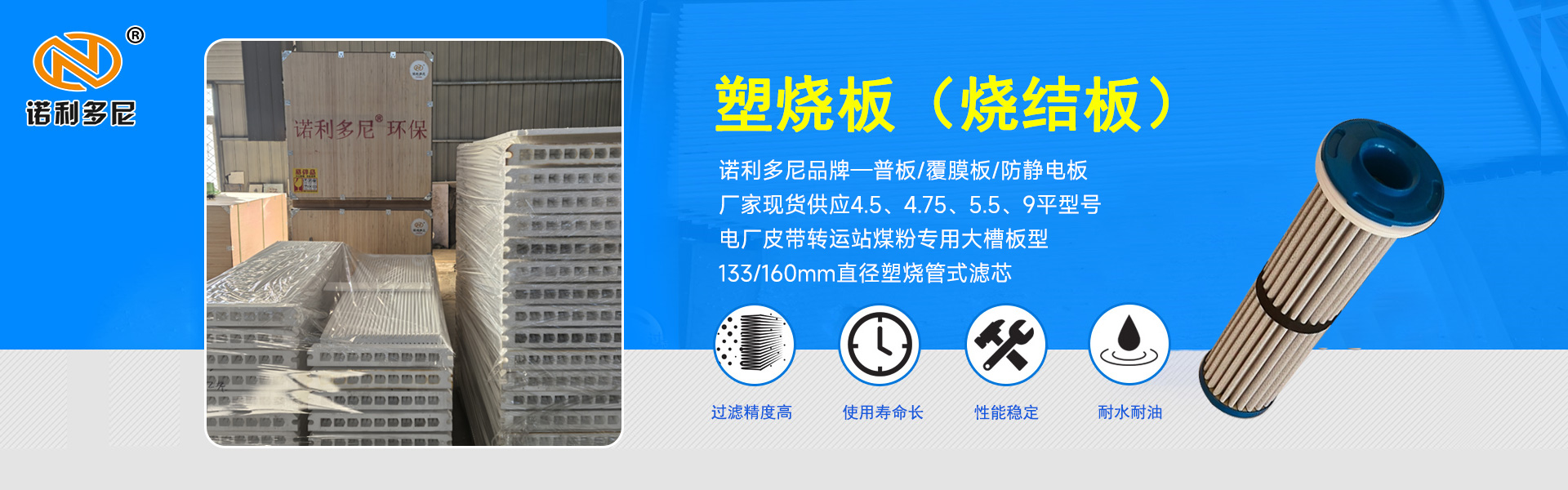

The spacing of the ceramic honeycomb plates refers to the distance between each plate during the design of a ceramic honeycomb deduster. It is not the gap between the plates. Many in the industry are unaware of how to do this, hence they cannot answer this question.
Today, I'm here to shed some light on the role of spacing in sintered plates. Specifically, the design of the spacing size requires individual exploration, as others' experiences may not be suitable for you. I'll discuss the importance of spacing with examples.
Problem: A coal-fired power plant in Henan Province used a plastic fumed board dust collector, which was purchased from an unqualified plastic fumed board wholesaler. The dust collector was made by a manufacturer specializing in bag dust collectors. The issue was that the ash could not be unloaded and a plate agglomeration blockage occurred. Then, the manufacturer's technical staff contacted our company, and our technical staff carried out the modification. The dust collector is now functioning normally.
The technical issue here is experience, and it's also a key focus in the design of sintered plate filter element spacing. The standard for sintered plate arrangement spacing is based on each different working condition, not a general standard. Do not approach the sintered plate dust collector with the mindset of a bag dust collector; otherwise, it would be a case of losing more than you gain and would not be usable.
The key focus is on determining the spacing, taking into account the humidity of the smoke components, the concentration of smoke particulates, as well as viscosity and density, to ensure the right spacing is used without any issues.
