

In light of the current state of environmental governance, coupled with market data and the summarized demand numbers for sintered plate from industry peers, the treatment intensity for various water-containing dust and gas emissions in 2021 was three times greater than the same period. This sudden surge in market application figures indicates a direct increase in market demand. Relevant environmental governance units are also taking substantial measures to control emissions, which is a beneficial endeavor for the nation and its people.
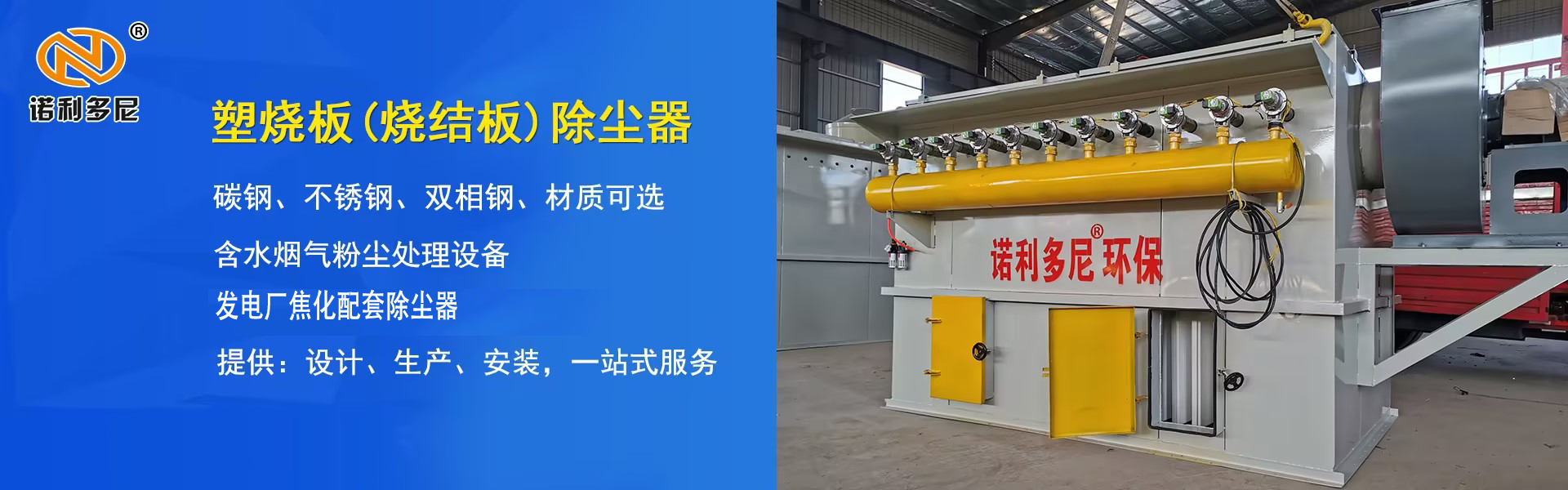
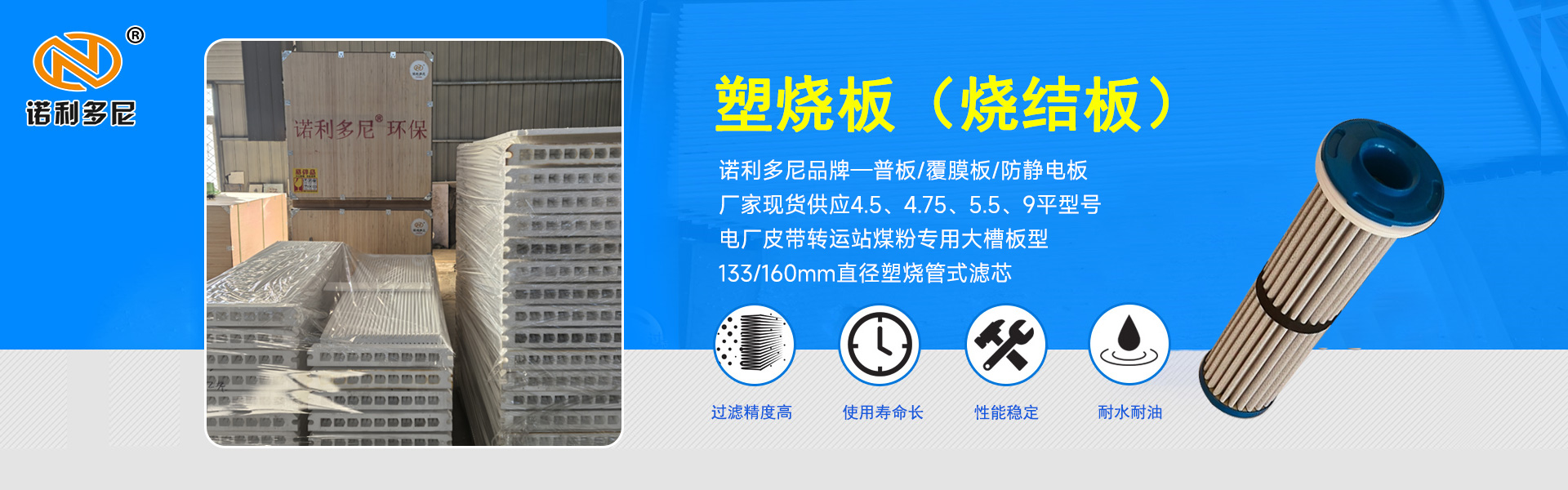
Why has there been a sudden surge in market demand for sintered plate and sintered plate dedusting equipment? We have summarized the relevant factors and conditions, which mainly fall into two levels: 1) The inherent advantages of sintered plate as a filter core, such as its water resistance, ultra-low emissions, and steam treatment capabilities, which are unaddressed by other filter cores. Therefore, with the enhanced overall environmental protection management, the demand will continue to rise; secondly, the sintered plate dedusting equipment itself has significant potential application value and a wide range of applications.
Our system analysis from an operation and maintenance perspective reveals that the sintered plate filter element can be used continuously for 10 years. Maintenance and repairs are not as frequent as with other filter elements, and the air leakage rate is relatively low due to its high material density. When dust accumulates on the surface or the filter element clogs, a high negative pressure can cause damage to the material. However, this is not the case with the sintered plate, which, being a high-strength and dense material, has a higher pressure resistance than bags or filter cylinders.
In terms of application scope, the collection and treatment of dry, finer dust, as well as wet dust烟气 collection and treatment, there is currently no material stronger than the plastic frit. Moreover, with the increasing environmental emission requirements, the deep application market of plastic frit dust collectors is yet to be developed. Therefore, considering all aspects, in the face of China's environmental protection situation, the application range of plastic frit dust collectors will be broad and there is a trend to replace bag and filter cylinder materials. This requires the coordination and positioning of the overall environment to demonstrate the results.
Plasma boards are primarily used in industries such as steam treatment in hot rolling mill lines, flue gas treatment in drying equipment, particularly for moist flue gases and powders; and for the collection and recycling of ultra-fine metal dusts and valuable materials. These applications are possible due to the plasma board's micrometer-sized pore structure, which outperforms the relative filtration area and wind speed of bag filters and filter cartridges.

