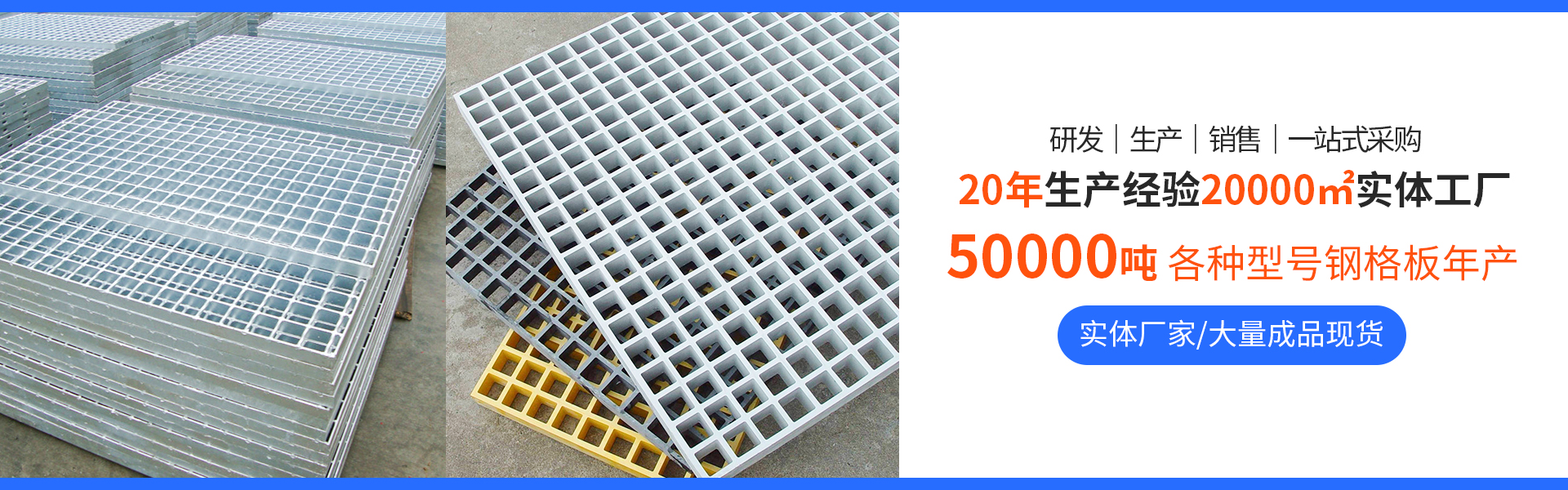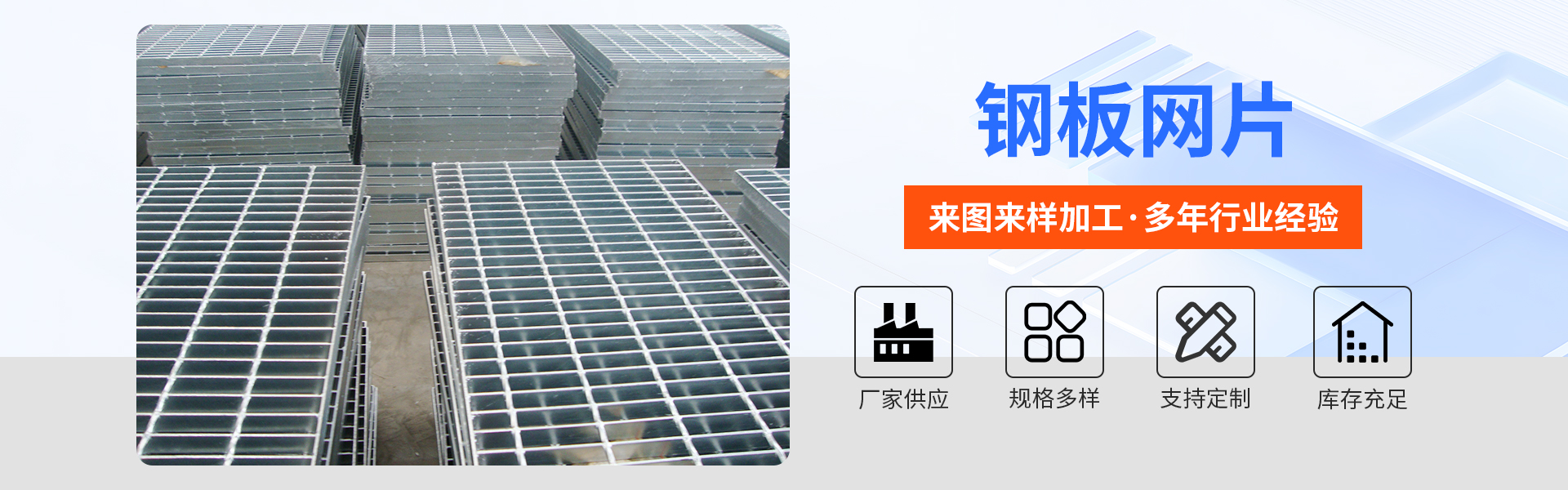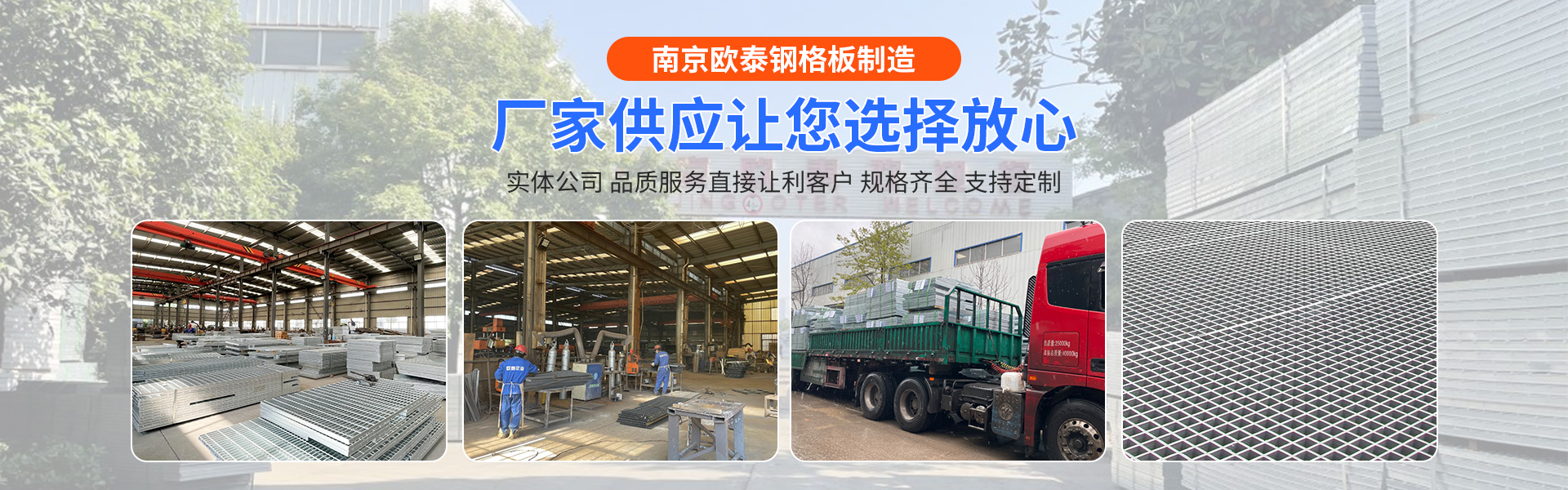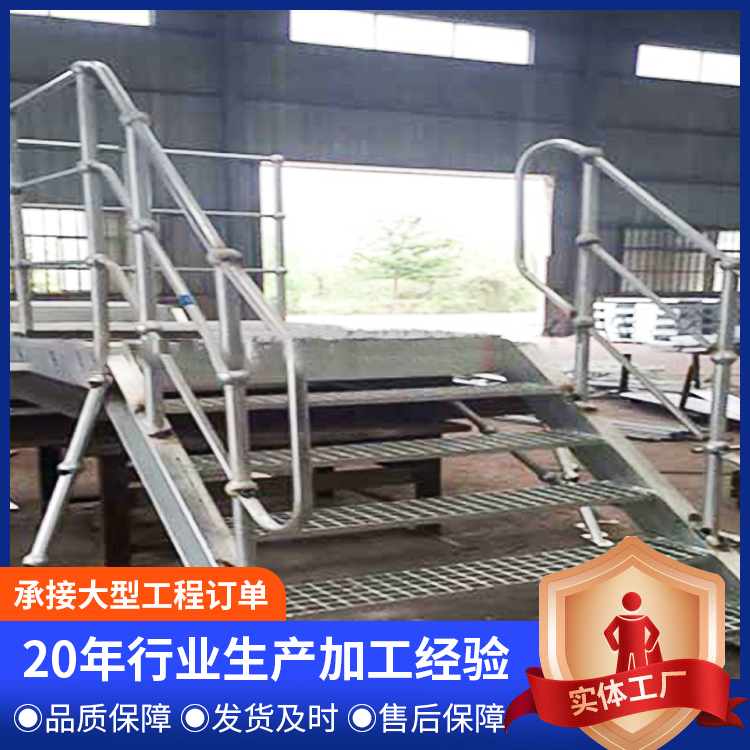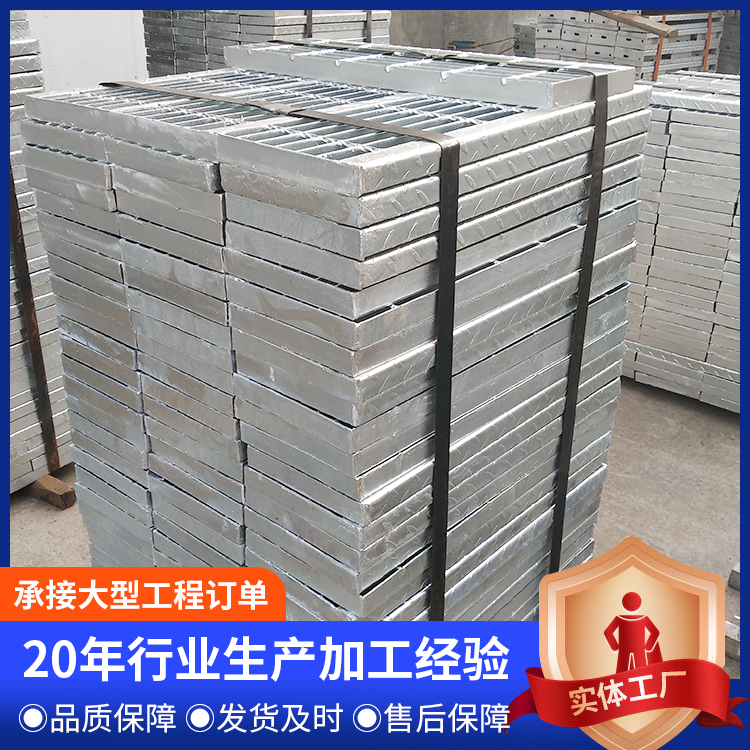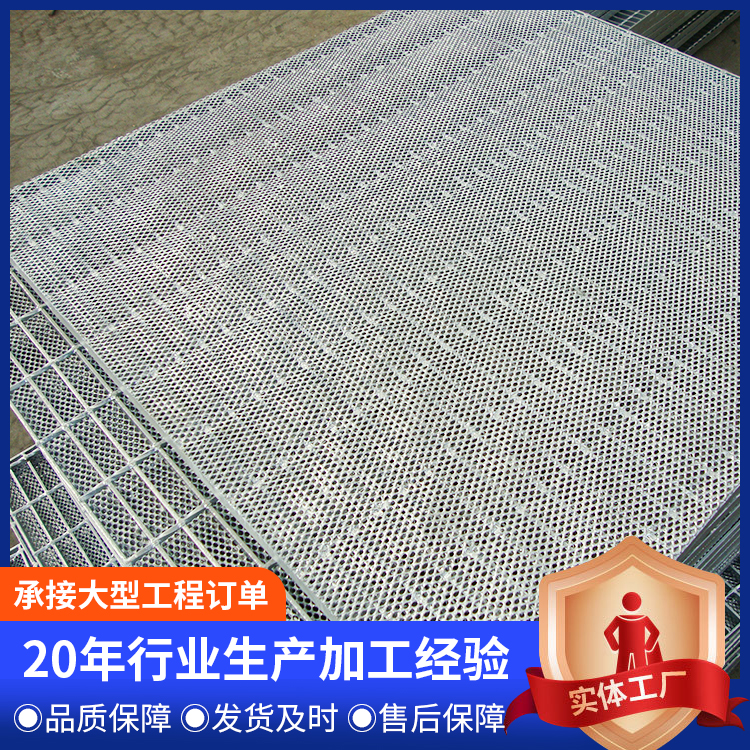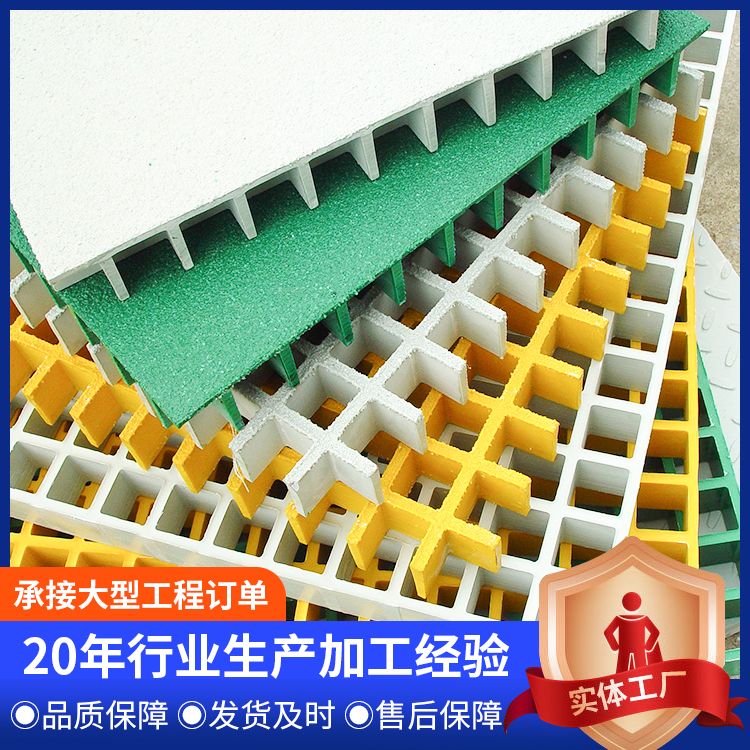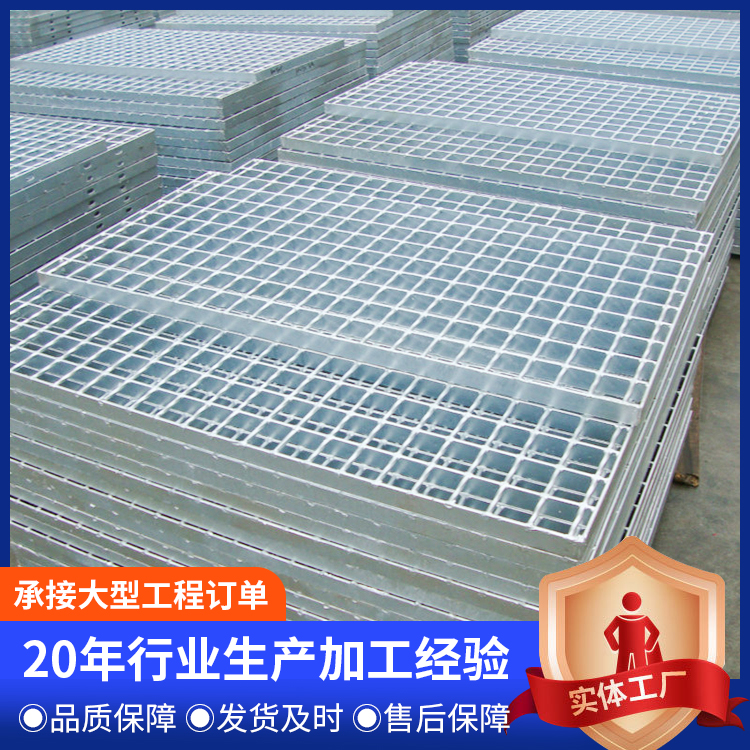
Specializes in the research, development, and manufacturing of carbon steel, stainless steel pressed steel grating, etc.
13914781766
One. The principle of hot-dip galvanized steel grating differs.
Hot-dip galvanizing, also known as hot dip galvanizing, involves melting zinc ingots at high temperatures, adding some auxiliary materials, and then immersing the metal components into a galvanizing tank to coat them with a zinc layer. The advantage of hot-dip galvanized steel grating panels lies in the good adhesion and hardness of the galvanized layer.
Cold galvanizing; also known as electroplating, involves applying a coating to the workpiece by electrolyzing a zinc salt solution. Generally, no heating is required, and the zinc coating is minimal, which can easily peel off in damp environments.
Section II: Properties of Hot-Dip Galvanized Steel Grating
Hot-dip galvanizing is a chemical process, classified as an electrochemical reaction. Cold-dip galvanizing is a physical process, simply applying a zinc coating to the surface, making the zinc layer prone to peeling. Hot-dip galvanizing is commonly used in construction projects.
Continuous Hot-Dip Galvanizing Process: Steel → Heating → Cooling to Galvanizing Temperature → Galvanizing → Cooling
Cold galvanized, also known as electroplated zinc, ranges from 10-50g/m2 and has significantly lower corrosion resistance compared to hot-dip galvanized coatings. The cost of electroplating zinc is relatively cheaper.
Hot-dip galvanizing involves zinc coating steel under a hot immersion process, which boasts strong adhesion and is not prone to peeling.
Section 3: Variations in Hot-Dip Galvanized Steel Grating Process
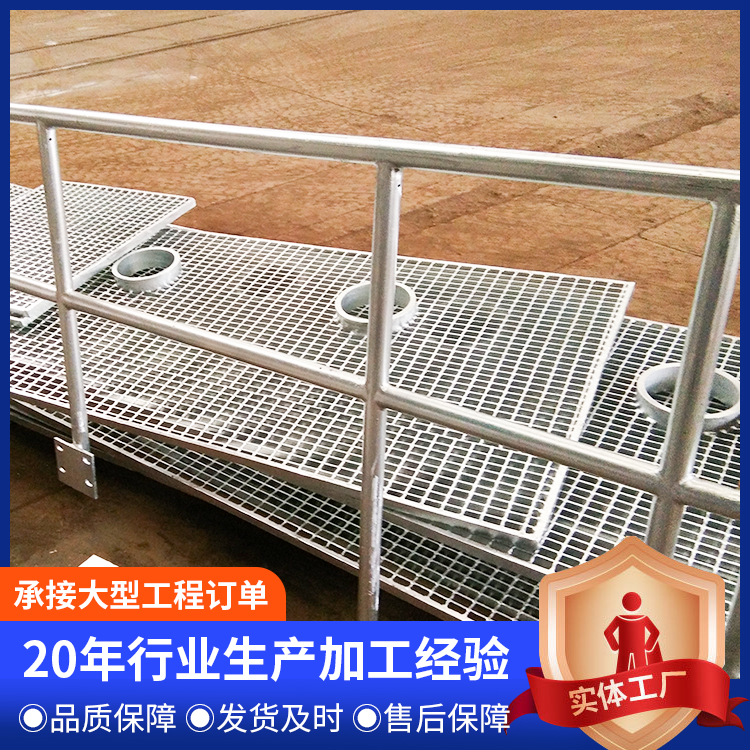
HuangJia Steel Grating Factory produces steel grating, galvanized steel grating, and platform steel grating using large-scale CNC machines and computer-controlled high-pressure resistance welding technology. The installation methods for tread plates include welding and bolt connection. The manhole covers come in various models to accommodate different span loadings and requirements. Hot galvanizing involves degreasing, pickling, dipping in chemicals, drying, and then immersing the workpiece in molten zinc for a period before removing it.
Cold galvanizing, also known as electroplating zinc, is a process that involves using electrolytic equipment to place the workpiece, after degreasing and acid washing, into a solution containing zinc salts and connecting it to the negative pole of the electrolytic equipment. A zinc plate is positioned opposite the workpiece and connected to the positive pole of the electrolytic equipment. Upon powering on, the directed movement of the current from the positive to the negative pole will deposit a layer of zinc onto the workpiece.
Section 4: Different Effects of Hot-Dip Galvanized Steel Grating
Difference in Galvanized Products: Hot-dip galvanized surfaces are not as smooth and shiny as cold-dip galvanized, but the thickness of the zinc coating in hot-dip galvanizing is dozens of times that of cold-dip galvanizing.
Fifth, the hot-dip galvanizing process emits fewer pollutants. The primary pollutants associated with hot-dip galvanizing are the waste acids from the acid washing of the workpieces.
The pollutants in cold galvanized coatings primarily include waste acid from pickling workpieces, electroplating waste liquid, and waste passivation liquid, etc.
Contact us

Service Hotline
13914781766
Company Telephone
13914781766

Address
Nanjing Qixia District Longtan Street Sanjiangkou Industrial Park
b2b.china9.net © Zhongshang 114 Hebei Network Technology Co., Ltd.Address: Room 6009, Oriental New World Center, No.118 East Zhongshan Road, Qiaoxi District, Shijiazhuang City, Hebei ProvincePlatform Service Hotline: 4006299930