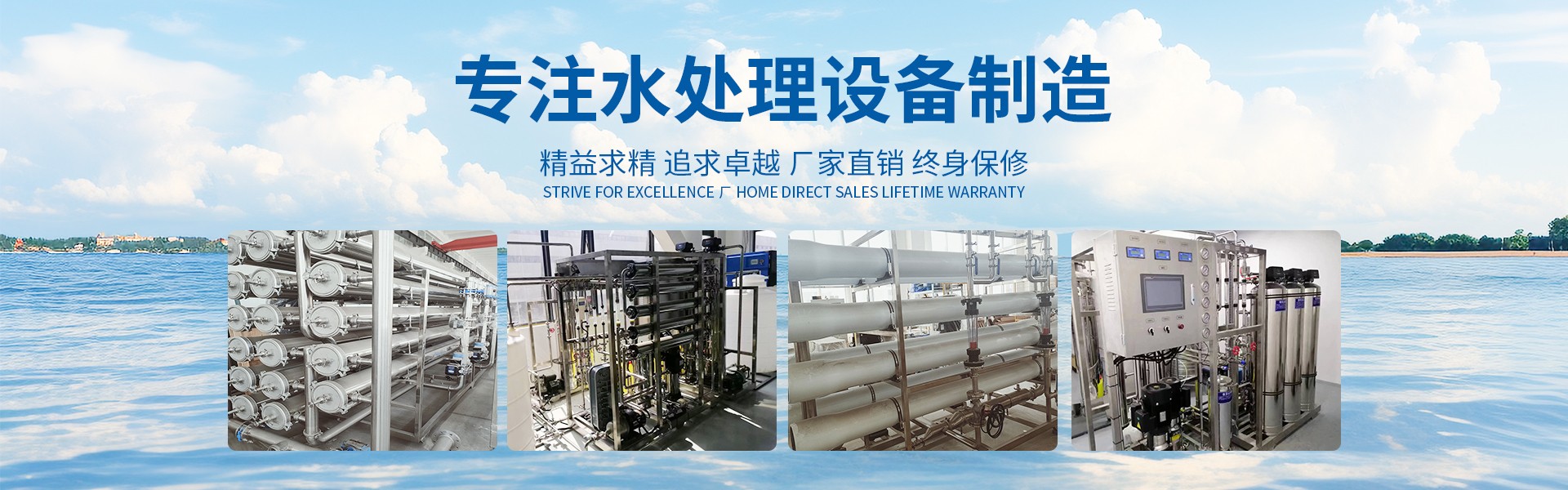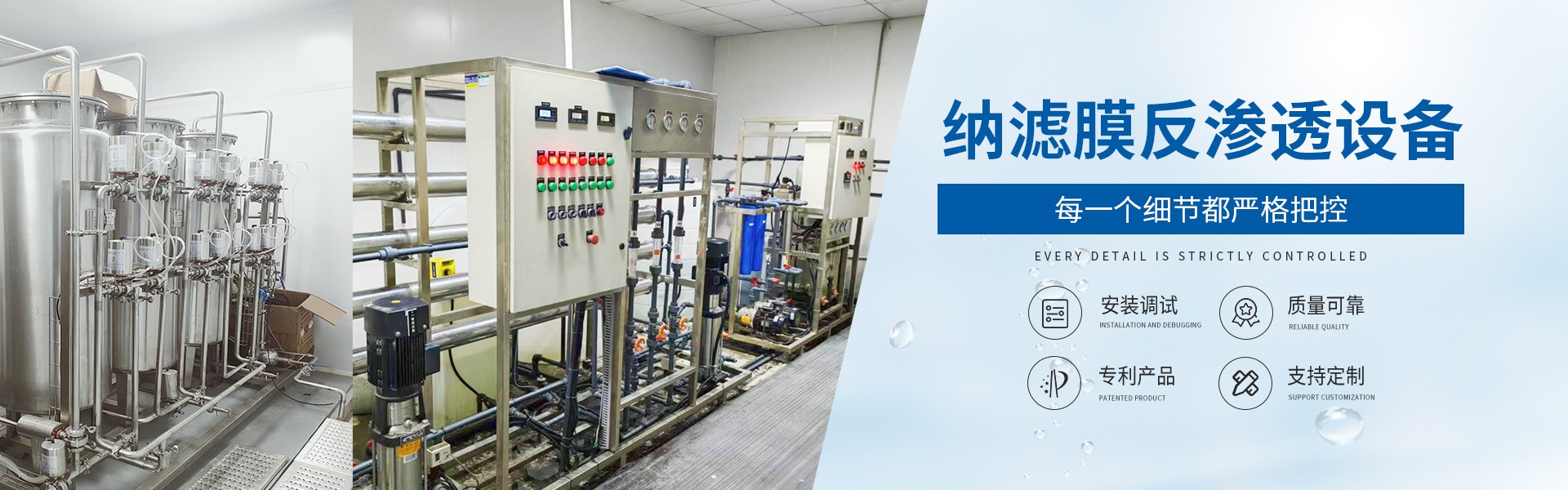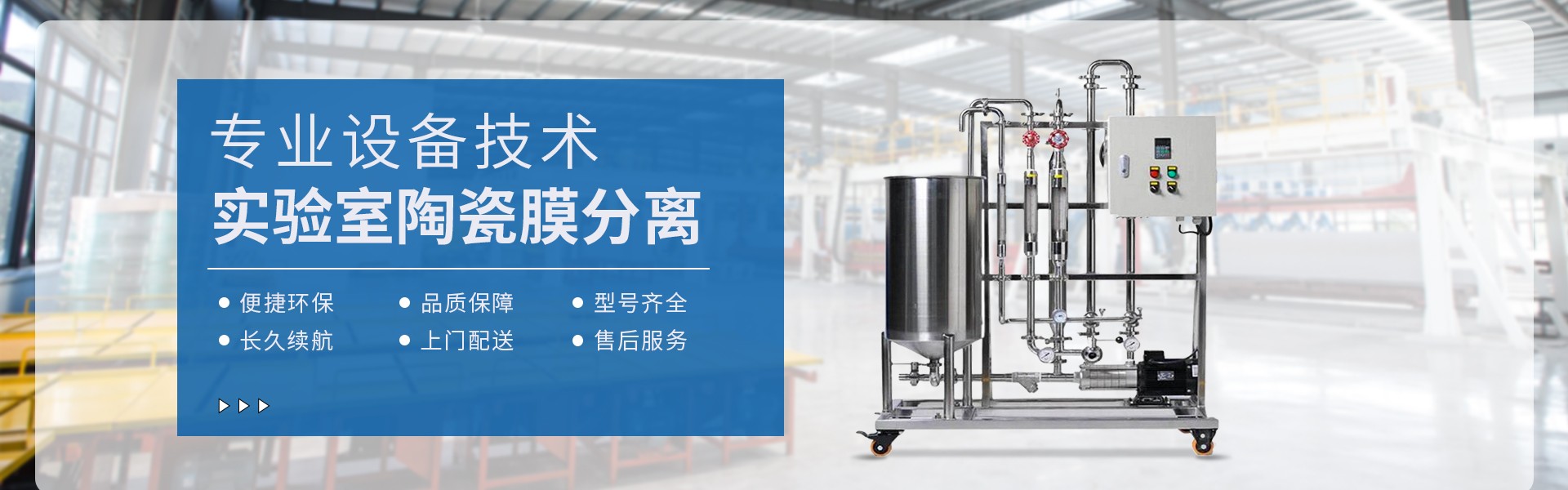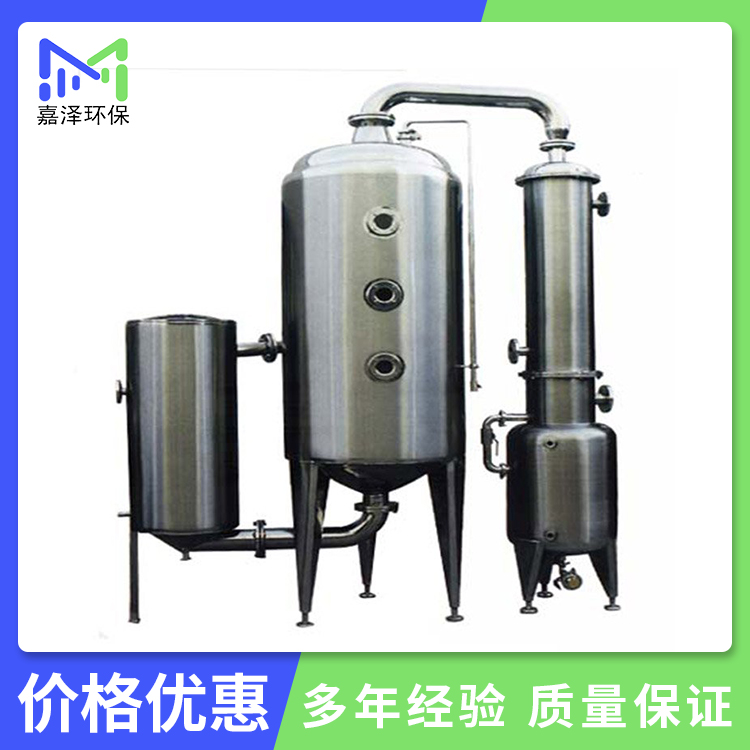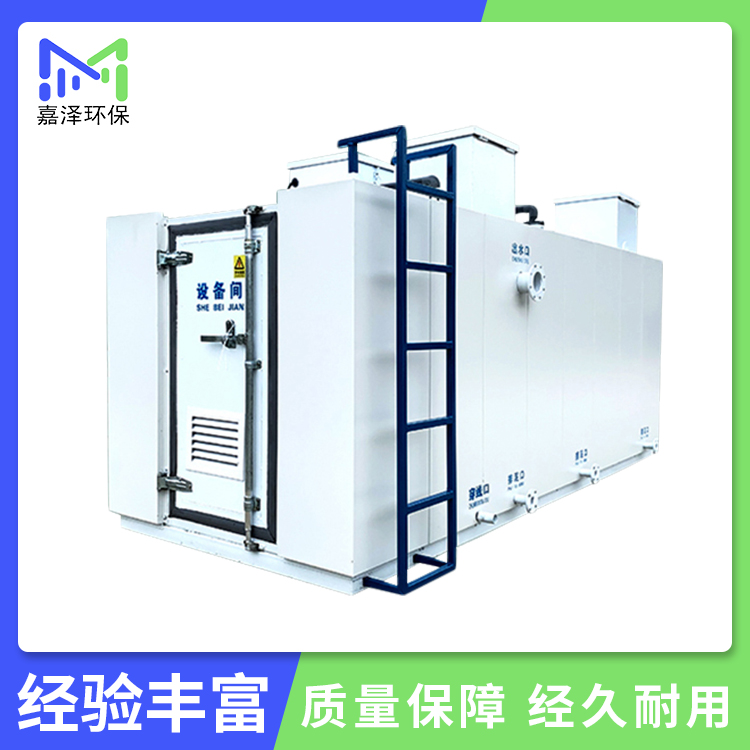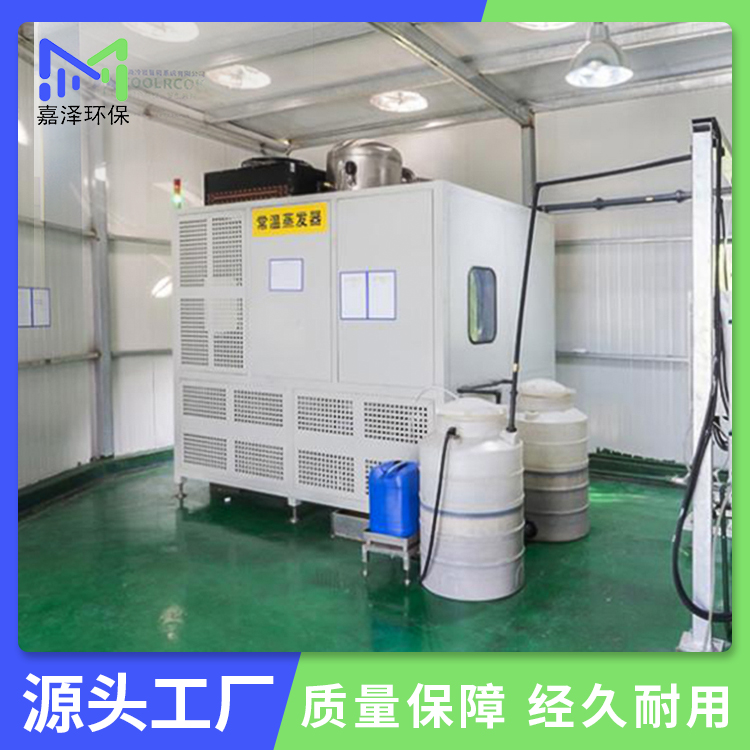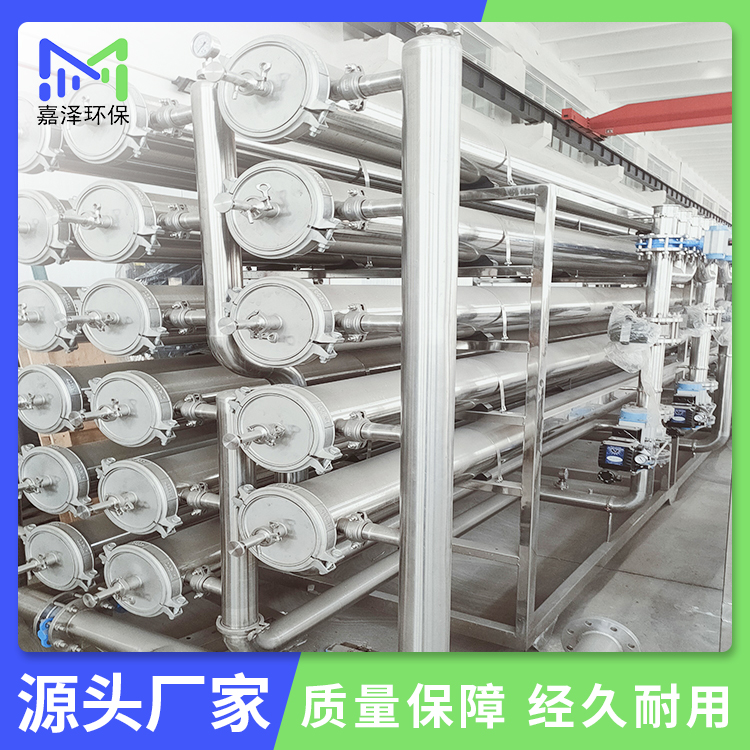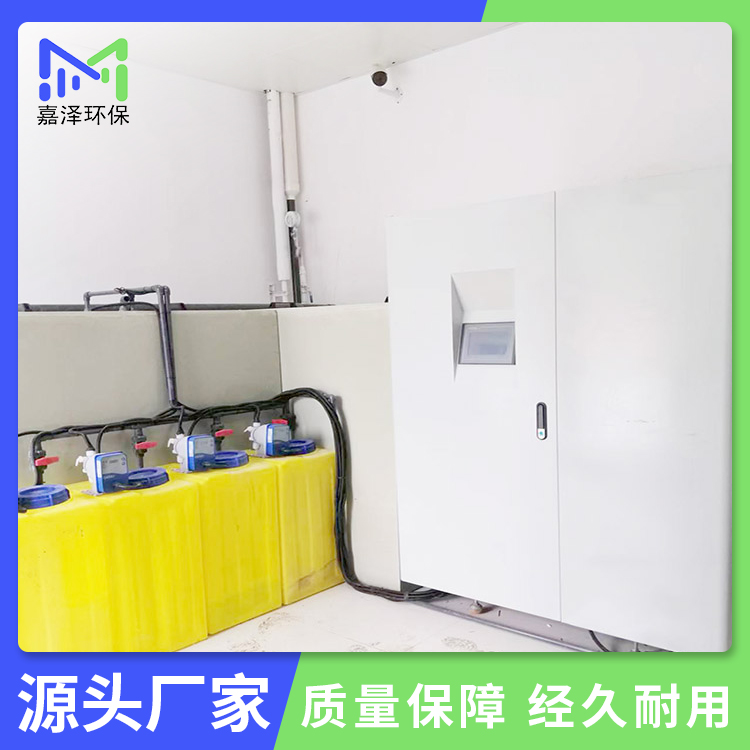
Manufacturers of wastewater and sewage treatment equipmen...

Jiaze Environmental ProtectionAs a professional wastewater treatment equipment company, always committed to providing one-stop solutions for industrial wastewater treatment, we believe it is highly necessary to educate our audience on the topic. Therefore, we will introduce some knowledge about industrial wastewater treatment below.PhosphorusWhat are the dangers?
With the increasing human activities, water pollution caused by nitrogen and phosphorus has become increasingly serious. A large amount of domestic wastewater, industrial waste water, and runoff from farmlands containing pesticides and fertilizers are discharged into lakes, rivers, and oceans, leading to eutrophication of the water bodies. This not only causes severe water environmental pollution, eutrophication, and phenomena such as red tides but also leads to the proliferation of microorganisms in industrial water equipment, forming biofouling and corrosion, which affects the normal operation of industrial production. Specific impacts include:
(1) The Dangers of Phosphorus to Humans
High-phosphorus laundry powder can cause direct irritation to the skin, which can lead to severe conditions like contact dermatitis and diaper rash in infants. Phosphorus can also be harmful to the central nervous system, especially as some organic phosphorus pesticides have poor biodegradability and can easily linger in the environment. They pose a high toxicity to vertebrates like humans and livestock, inhibiting the function of acetylcholinesterase, affecting the nervous system, and potentially leading to poisoning and death.
(2) The Dangers of Phosphorus to Marine Life
Organophosphorus pesticides, widely used both domestically and internationally, pose significant harm to marine life. They can activate latent pathogens within shrimp. The deaths of fish and shrimp are occurring frequently, posing a threat to the marine aquaculture industry.
(3) Phosphorus pollution of soil
Phosphorus soil pollution primarily stems from excessive use of pesticides, fertilizers, and wastewater irrigation. Excessive phosphorus can overwhelm the soil's self-cleaning ability, leading to adverse changes in soil composition and disrupting its natural functions. More severely, it can poison the air and water quality, reducing the biological quality of agricultural and sideline products through plant absorption. This can cause residual toxins to be transmitted through the food chain, posing harm to human life and health.


b2b.china9.net © Zhongshang 114 Hebei Network Technology Co., Ltd.Address: Room 6009, Oriental New World Center, No.118 East Zhongshan Road, Qiaoxi District, Shijiazhuang City, Hebei ProvincePlatform Service Hotline: 4006299930