

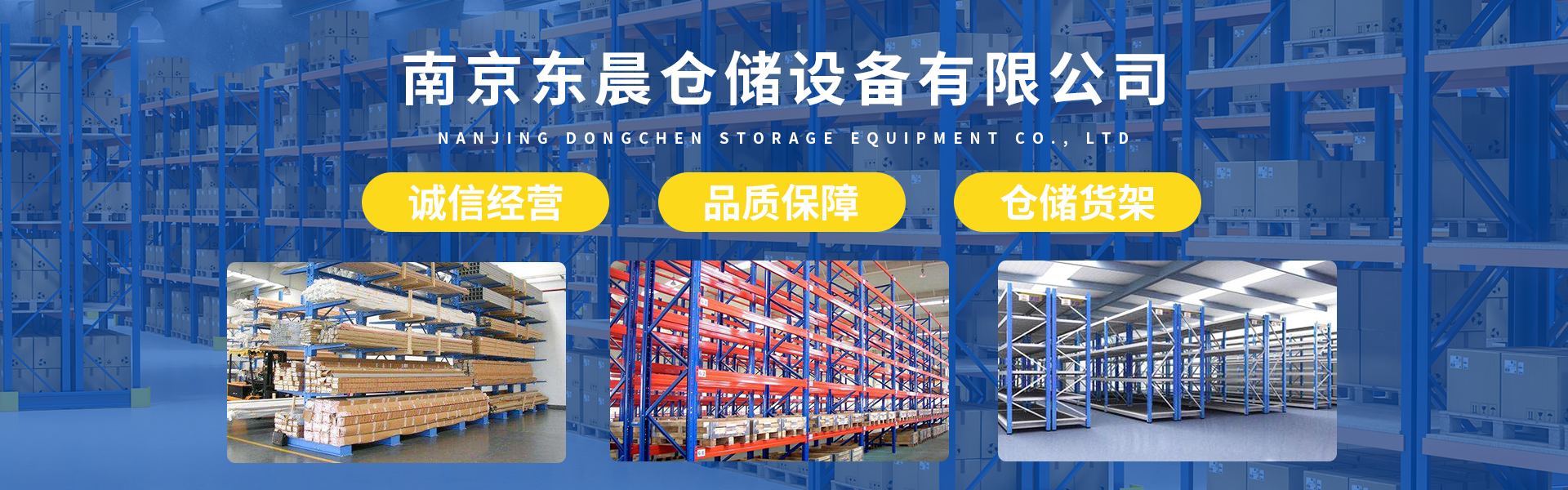
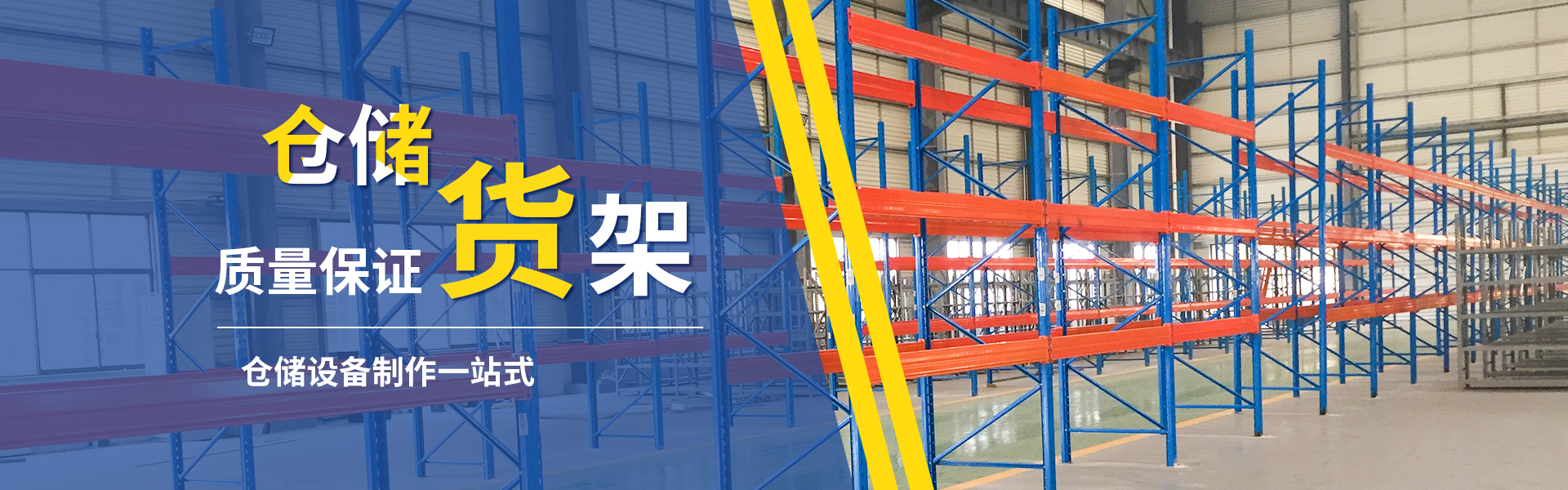

Racks are a type of storage structure, specifically designed for holding packaged items and hold a crucial position in warehouses. They are manufactured by rack manufacturers and can be customized according to special requirements and specifications. Racks have high bearing capacity, are resistant to deformation, offer reliable connections, and are easy to assemble and disassemble. Their three-dimensional structure optimizes warehouse space, enhancing storage capacity and utilization.
Easy storage with FIFO (first-in, first-out) management, 100% selection capability, and smooth inventory turnover; goods on shelves are clearly visible for easy counting, segregation, and measurement—crucial for effective management; meets the needs for storing and centrally managing large volumes of diverse products; paired with mechanical handling equipment, it ensures orderly storage and transportation; guarantees that goods on shelves are not crushed, preserving the integrity of the goods and preventing potential losses during storage.
To ensure the quality of stored goods, measures such as moisture-proofing, dust-proofing, anti-theft, and anti-damage can be taken to enhance the quality of material storage.
Meets the management needs of logistics supply chains for modern enterprises with low cost, low waste, and high efficiency. Benefits the mechanization, automation, and intelligent management of warehouses. When selecting shelves, consider the type and size of your products, as well as weight and quantity.
When selecting a shelving unit, consider the following points: Ensure the material meets your required standards and is up to your specifications.
Inspect the electrostatic powder coating on the shelf surface for full area coverage and color quality.
Inspect the ease of assembly and the stability of the selected shelves.
Shelving units also require regular cleaning and maintenance, and professional shelving staff should be assigned to identify and rectify potential hazards.
