



Jiangxi Jindu Insurance Equipment Group Co., Ltd.
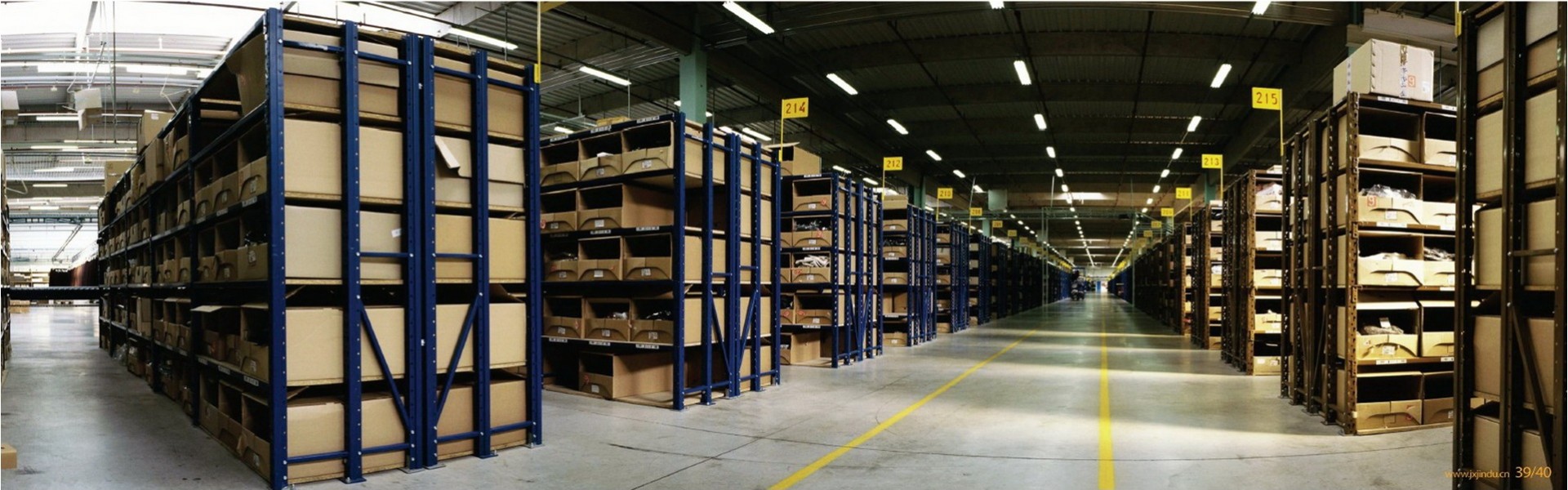
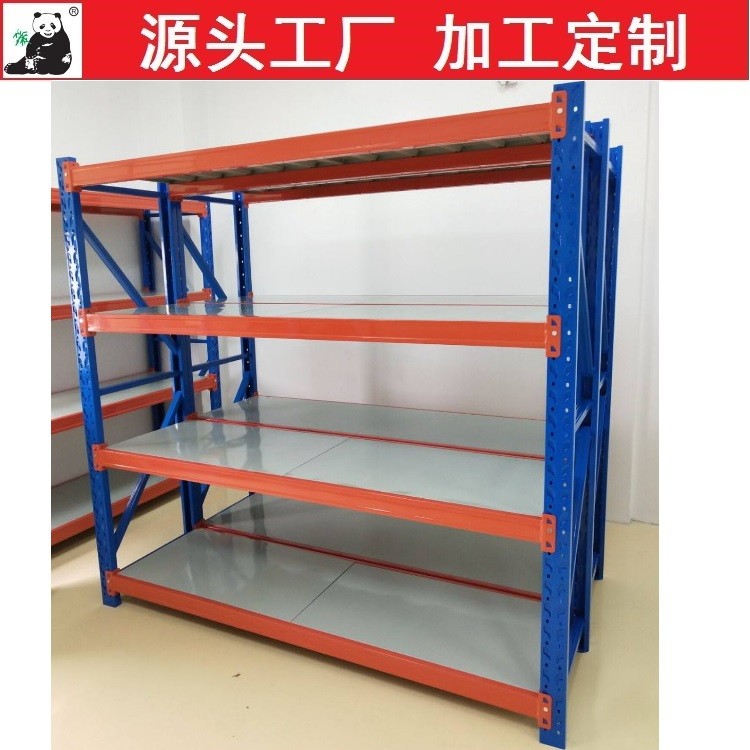
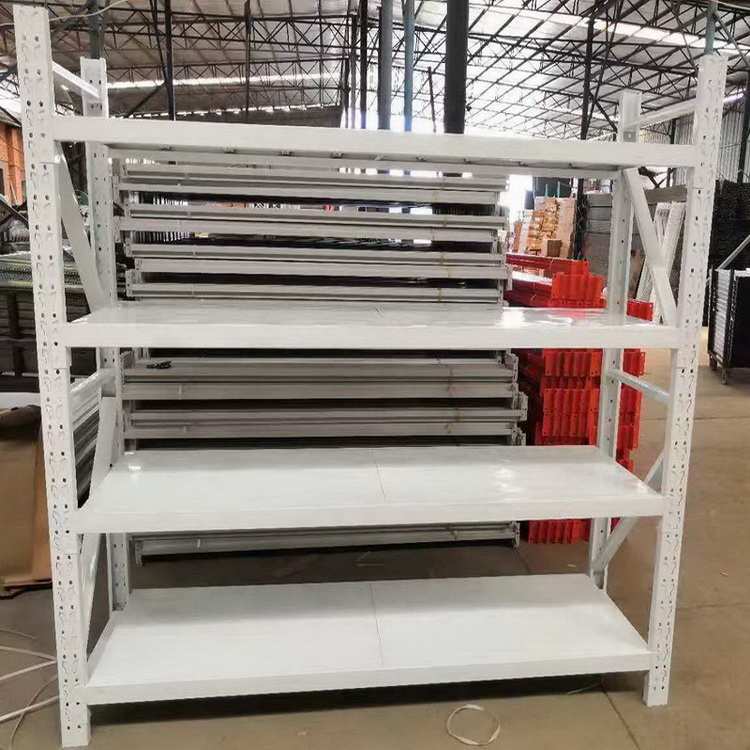
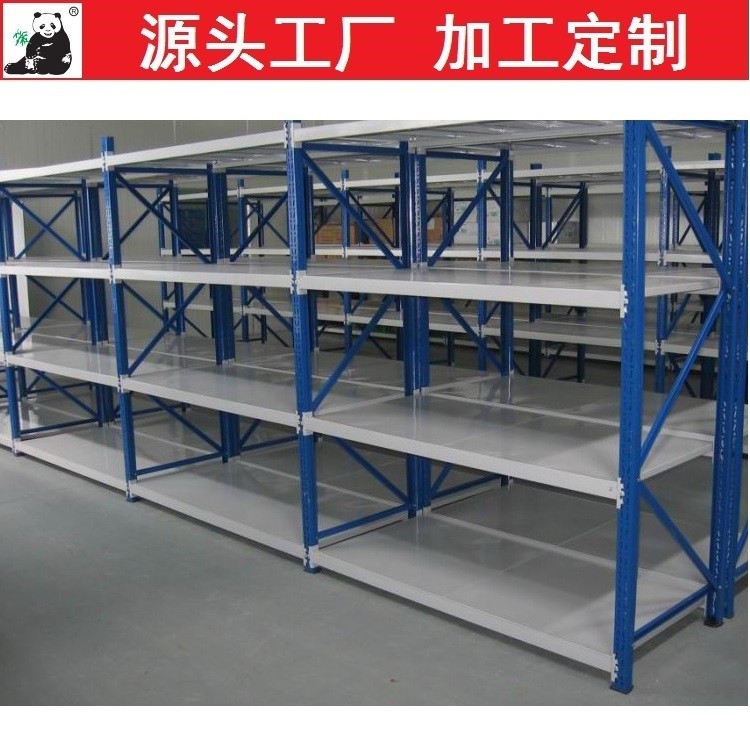
Manufacturing & Sales: Light-duty, medium-duty, and heavy-duty shelving units. This product is suitable for storing goods in factories, real estate, schools, company warehouses, and storage rooms.
Product specifications can be customized to meet customer requirements. Colors are available in a wide range, with the standard being gray-white. For metal products, we offer a variety of styles to choose from, and we can also customize sizes according to customer needs.Some products are in stock, please call us for more information.。
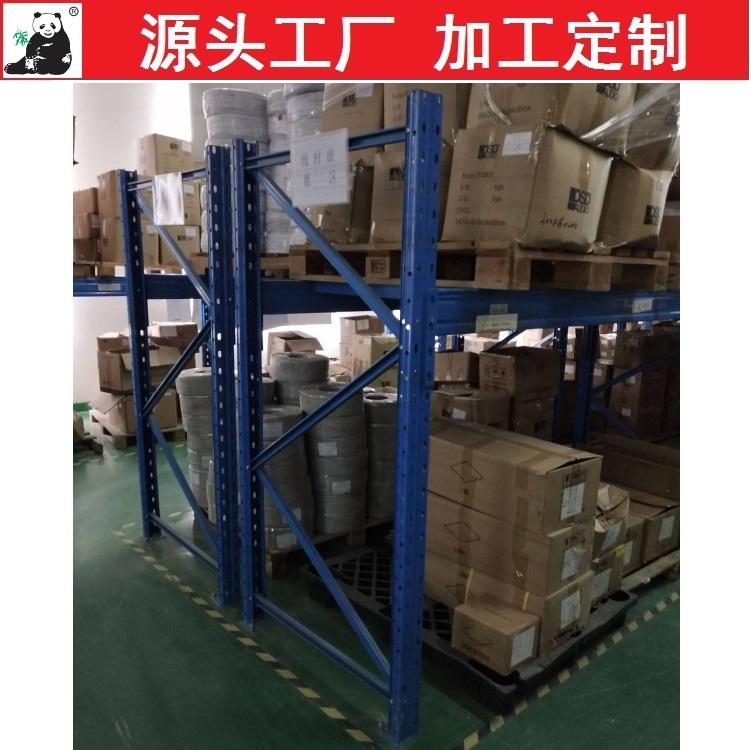
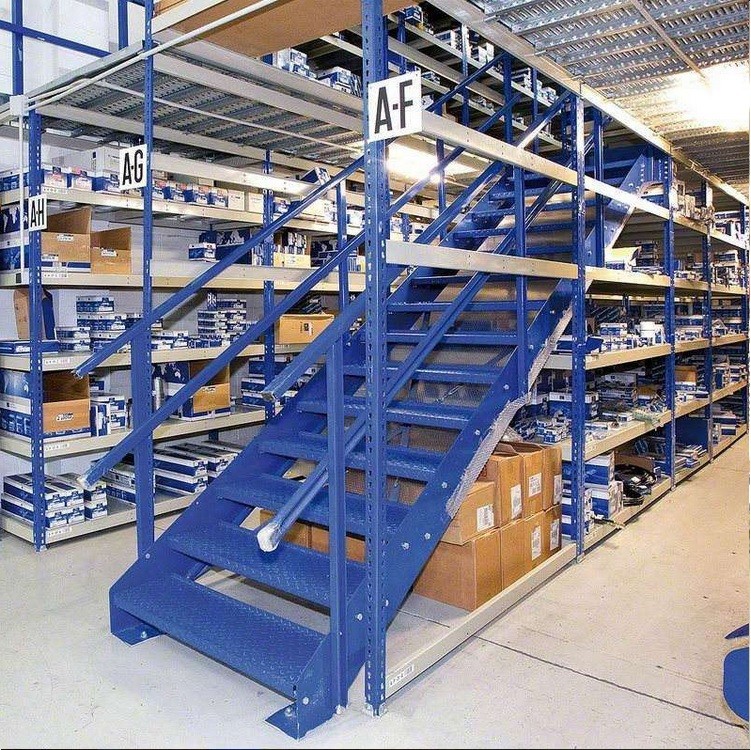
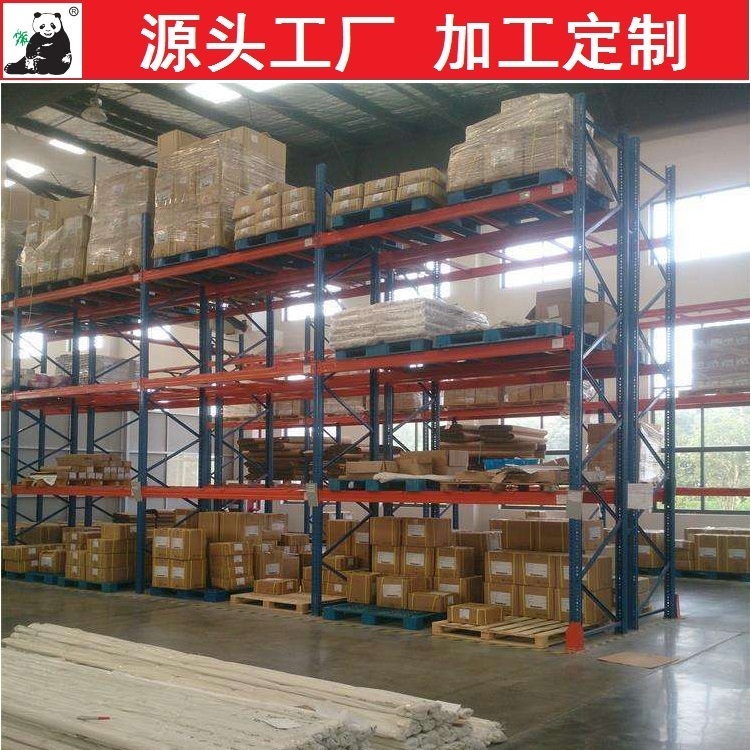
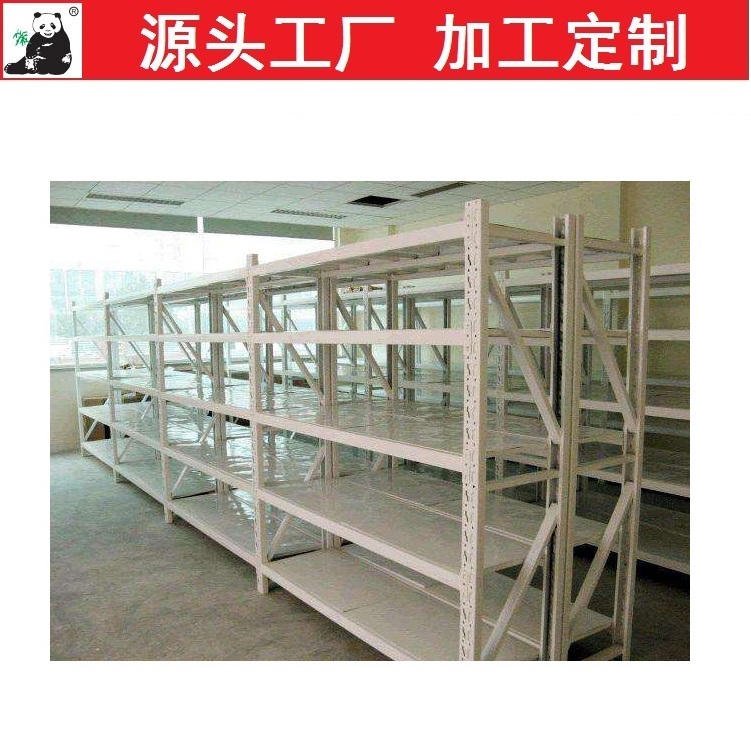
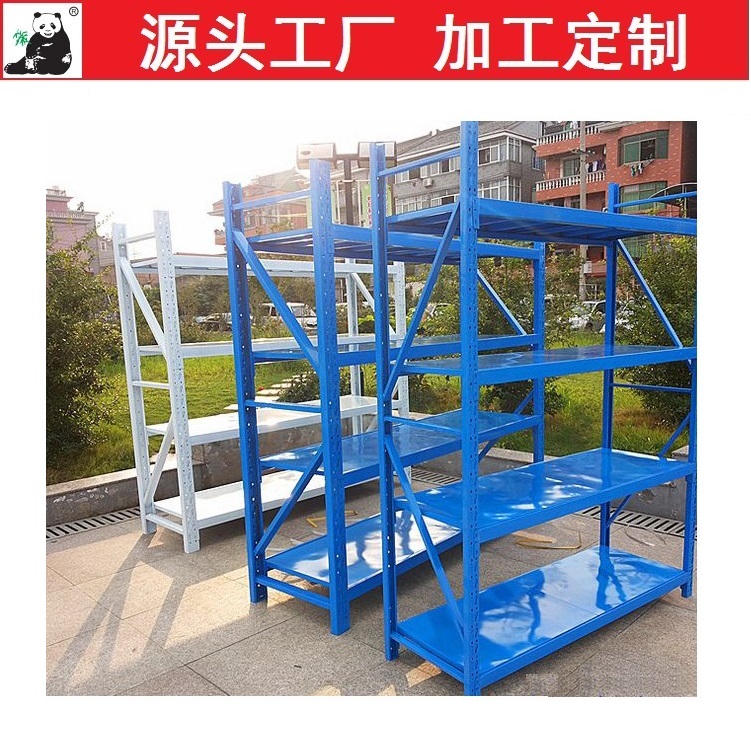
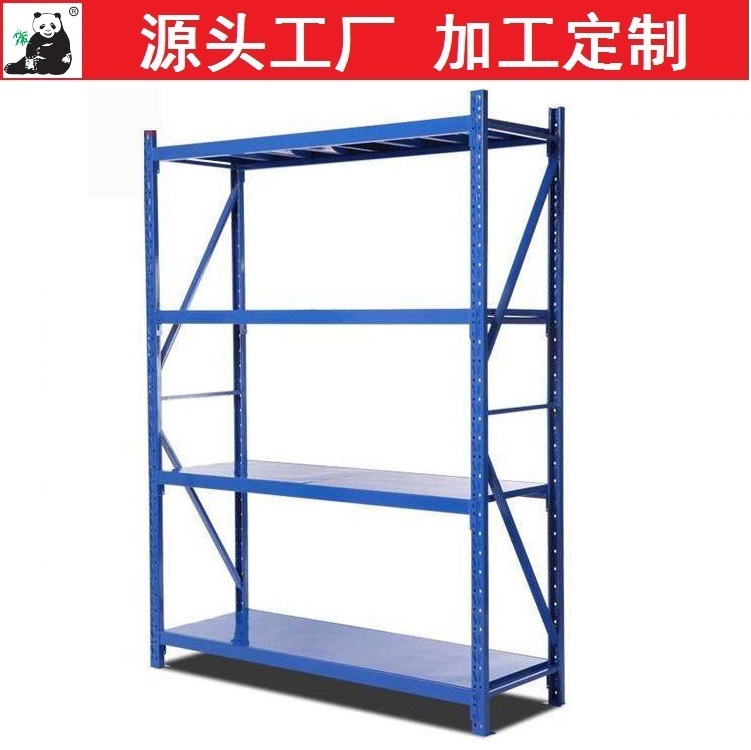
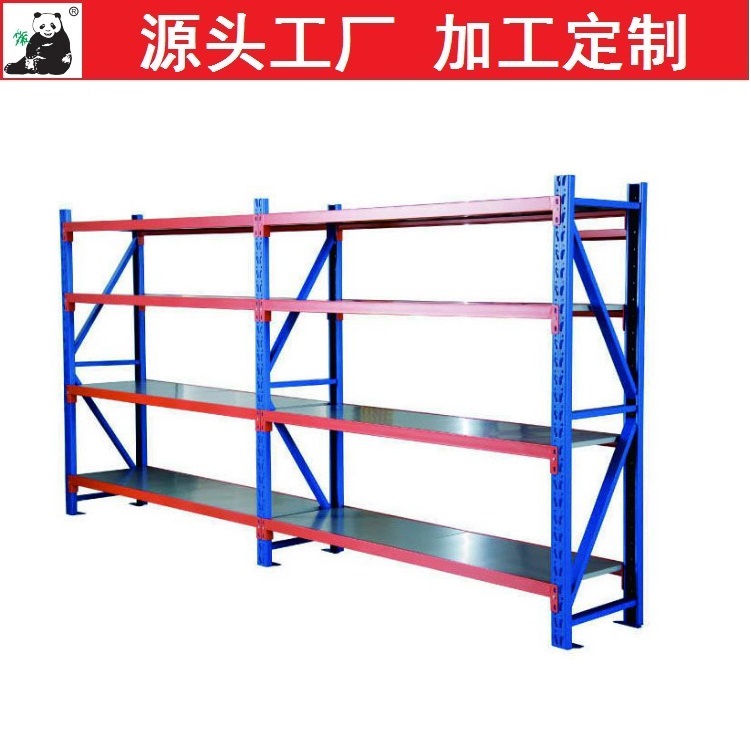
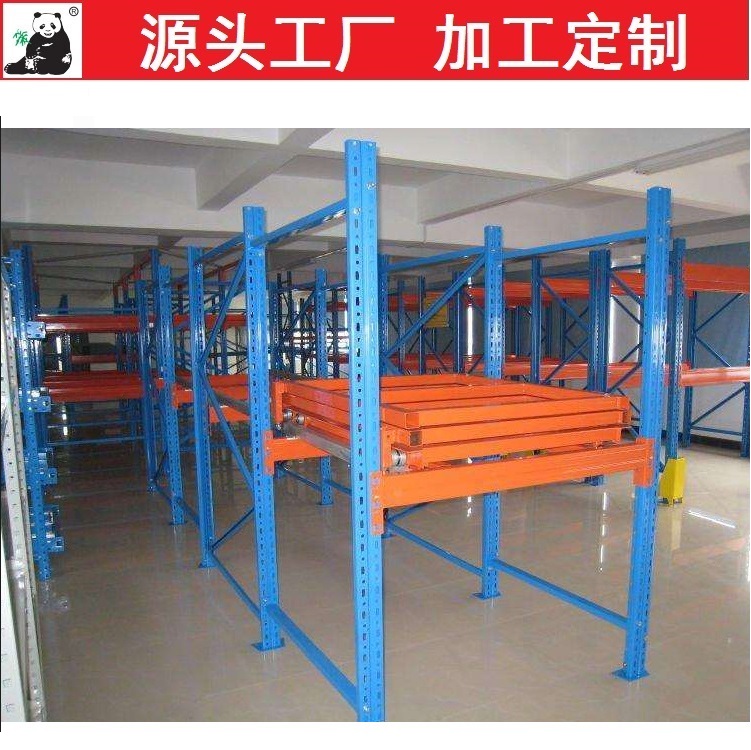
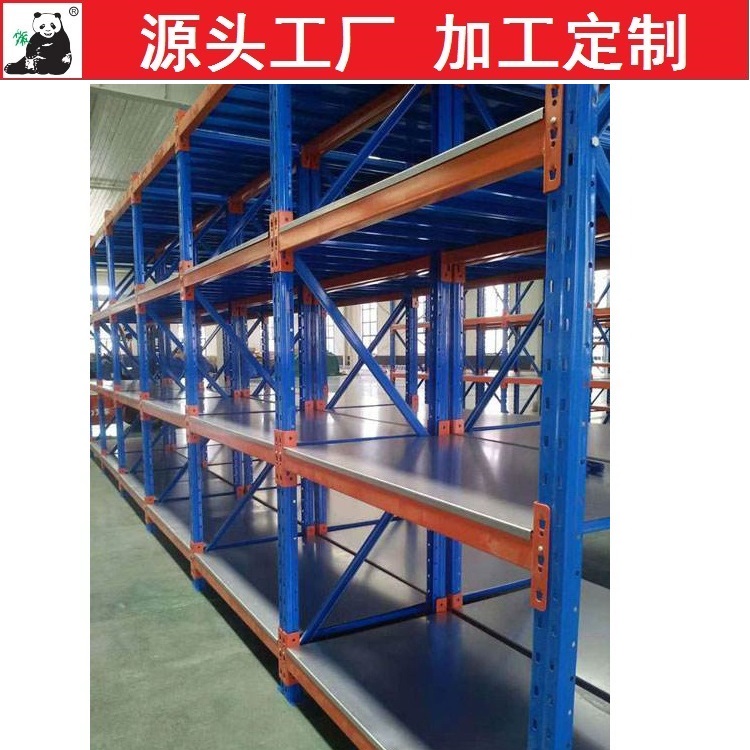
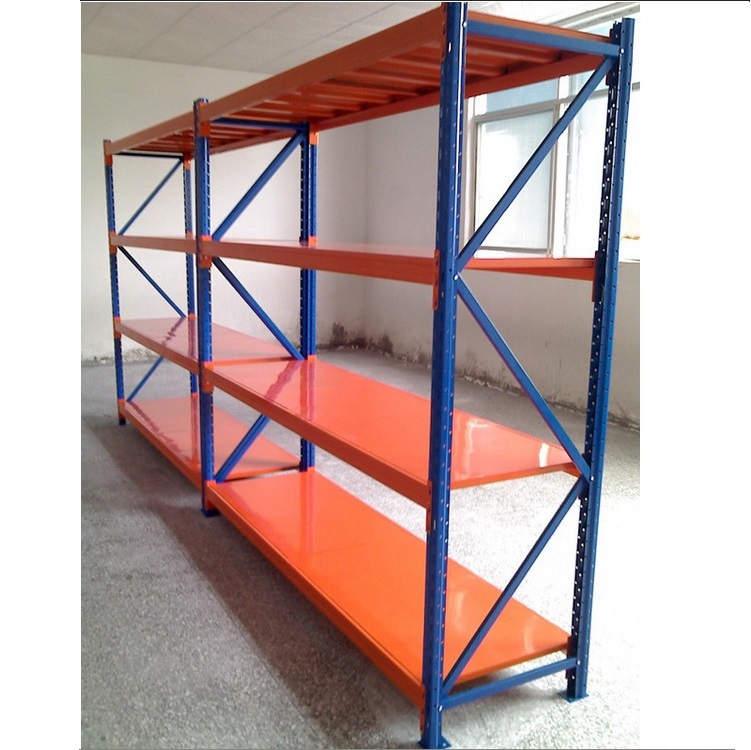
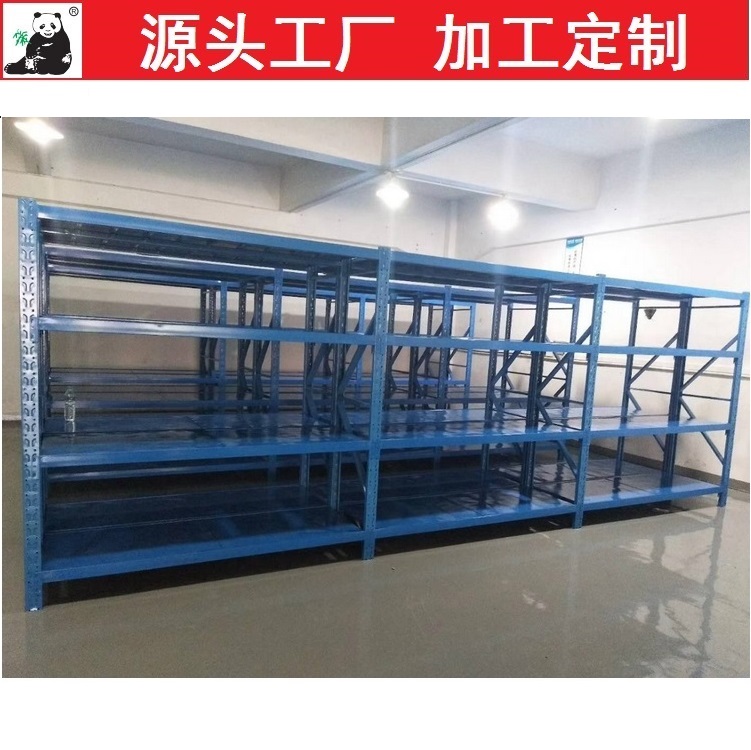
Shelving, Lightweight Shelves, Medium Duty Shelves, Heavy Duty Shelves, Storage Shelves, Mezzanine Shelves
Standard sizes available; customers can choose different shelf sizes based on the actual needs within their warehouse.
2000x600x2000, four layers
1500x600x2000, four layers
1200x600x2000mm, four layers
2000*500*2000*four-layer
1500x500x2000, four layers
1200 x 500 x 2000 x four layers
2000x400x2000 - four layers
1500 x 400 x 2000 x four layers
1200 x 400 x 2000 x four layers
The design of the warehouse racking system must accommodate the warehouse's unique characteristics and the functionalities the client requires the warehouse to achieve. Therefore, the following information is typically needed: warehouse floor plan (can be measured on-site), specifications, characteristics, and weight of unit (packaged) goods, specifications, stacking height, and load capacity of unit pallet goods, storage method (manual, mechanical, automated), storage equipment, required storage volume, frequency of incoming and outgoing goods, management system requirements, and control methods. For content that some clients find difficult to confirm or information that is not yet clear, communication between both parties is essential. Company personnel will conduct on-site inspections to understand the situation. Measurement and design will be carried out based on the racking's capacity to bear the required storage volume.
Heavy-duty racking is designed based on the structure of the warehouse and customer requirements (such as the load-bearing capacity of the warehouse floor, the type of goods to be stored, the weight of a pallet, forklift lift height, forklift turning radius, location of warehouse doors, fire hydrants, etc.). Then, with these considerations, we first conceptualize the racking dimensions (based on the size of the pallets, warehouse height, forklift lift height, and customer goods height including the pallet). Once the external dimensions of the racking are determined, the layout can be created in CAD.
