

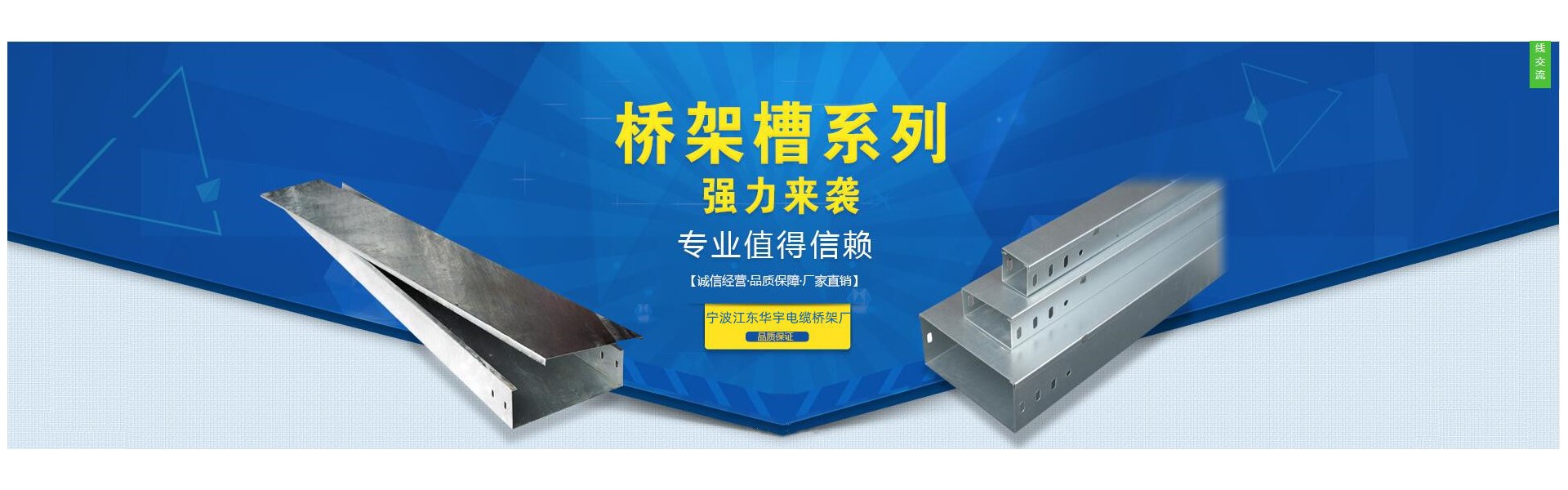


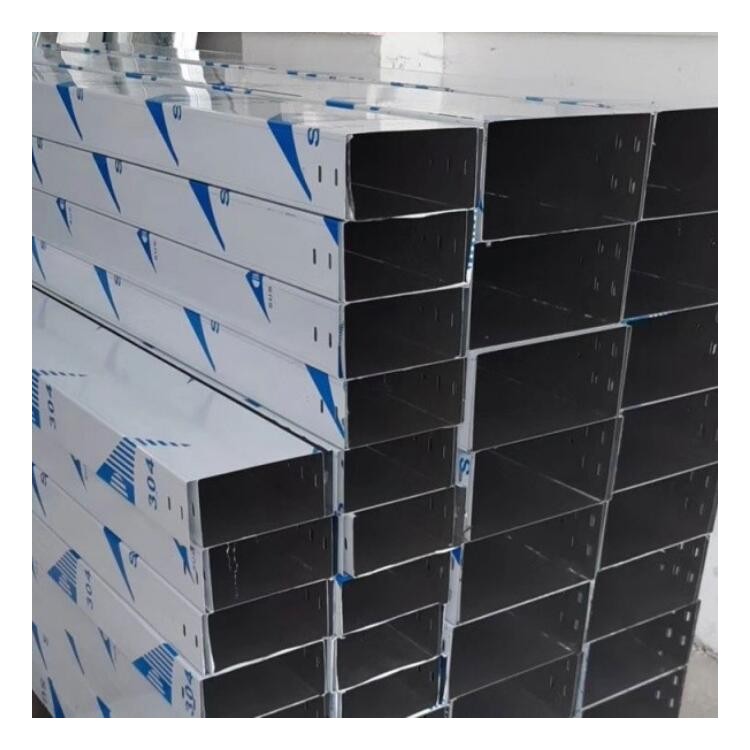
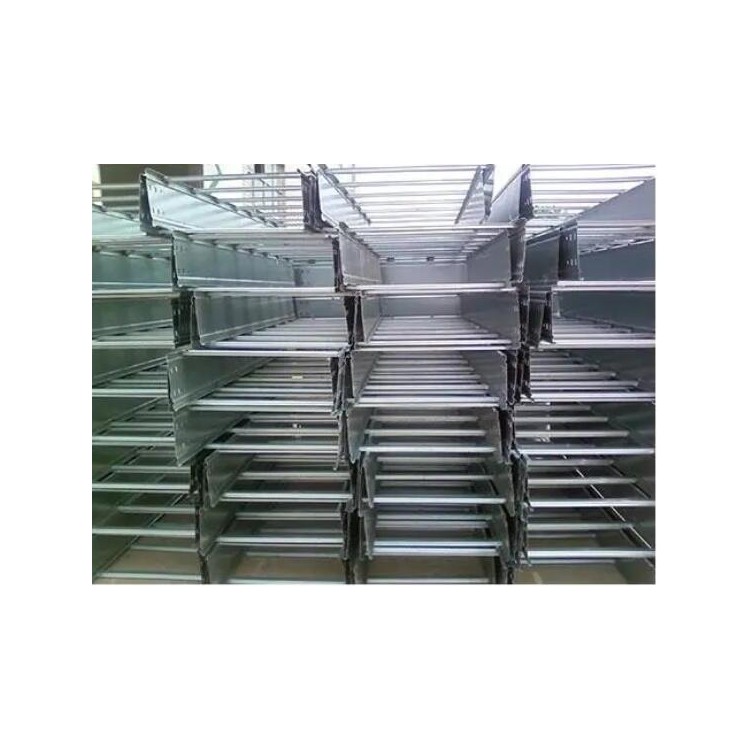
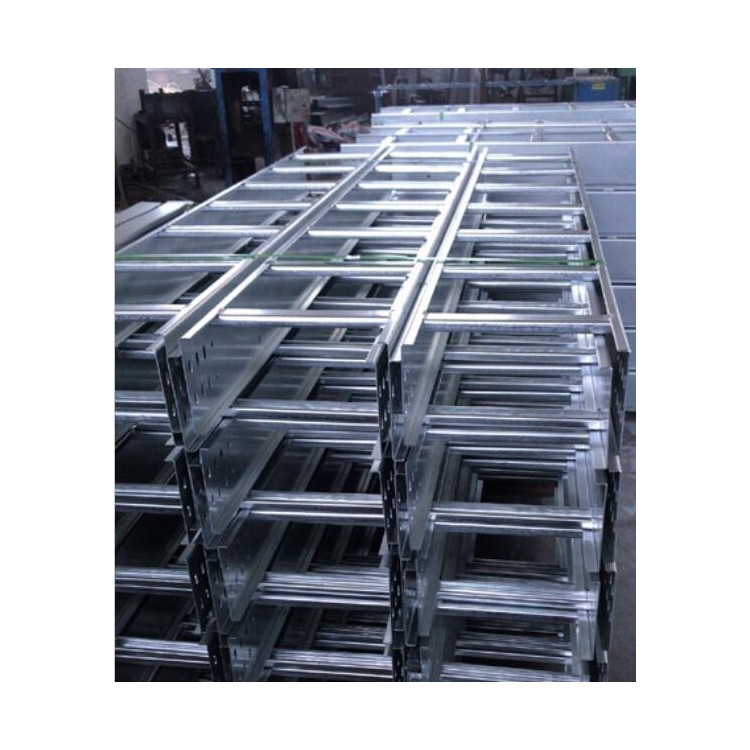
Cable trays are available in various structures such as channel, tray, ladder, and mesh types, composed of brackets, supports, and installation accessories. Trays within buildings can be installed independently or mounted on various structures and pipe galleries. They should feature simple structure, aesthetic design, flexible configuration, and easy maintenance. All parts must be galvanized and installed on outdoor exposed trays in buildings.
Selection of cable tray types and varieties
1. When there is a requirement for cable networks to shield electrical interference or protect against external influences (such as corrosive liquids, flammable dust, etc.), it is recommended to use (FB) type槽式 composite anti-corrosion shielded cable trays (with lids).
2. For environments with strong corrosiveness, use Class (F) composite epoxy resin flame-retardant cable bridge supports. The arm and bracket should also be made of the same material to enhance the service life of the bridge supports and accessories. In areas prone to dust accumulation or other environments requiring coverings, or outdoor settings, it is advisable to install a cover plate.
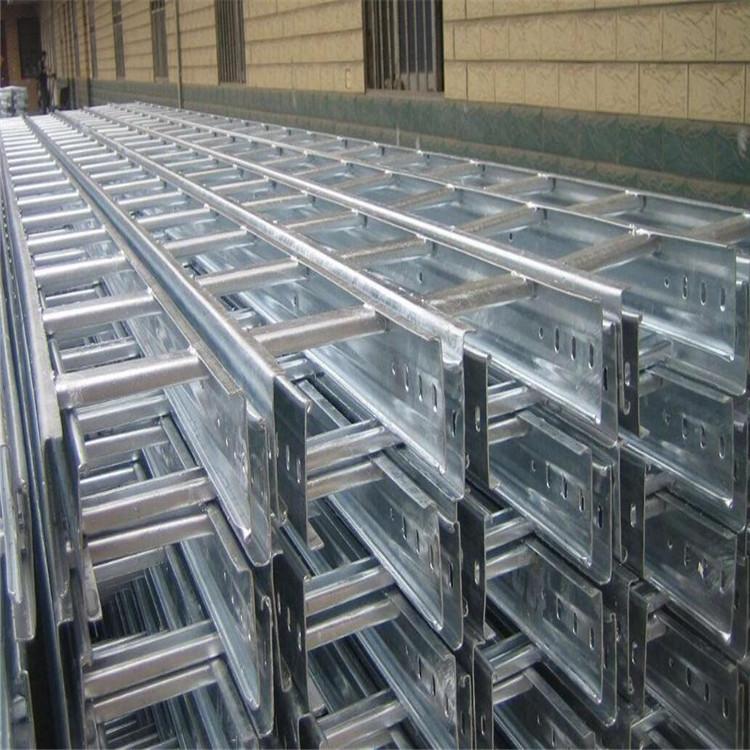
3. In addition to the aforementioned cases, you can choose from tray-type, channel-type, ladder-type, glass-protected flame-retardant cable trays, or steel general-type bridge supports based on the on-site environment and technical requirements. It is advisable to cover the trays with lids in environments prone to dust accumulation or other areas requiring coverage, as well as outdoor settings.
4. For public passages or road crossing sections outdoors, it is advisable to add a pad under the bottom of the lowest step or use a tray for that section. When crossing a public passage with a large span, the load-bearing capacity of the bridge can be increased according to the user's requirements or a walking beam can be selected.
5. For spans greater than 3m, use a composite bridge (FB).
6. Choose composite epoxy resin bridge supports (F) for outdoor use.
