

The installation and usage direction of the changeover valve typically depends on the on-site conditions of the extruder. What are the main methods?
1. The cylinder is installed downwards, occupying less space and not affecting other equipment or causing interference. It is also convenient for changing the net. Some equipment may cause interference below; once installed downwards, the net changer will not be visible.
2. Horizontal installation of hydraulic cylinders is based on space availability and ease of operation, with cylinders typically installed to the left or right. This method is quite common and facilitates quick cylinder replacement; however, the drawback is that access to either the left or right side may be limited in some on-site conditions, making cylinder replacement on the opposite side less convenient.
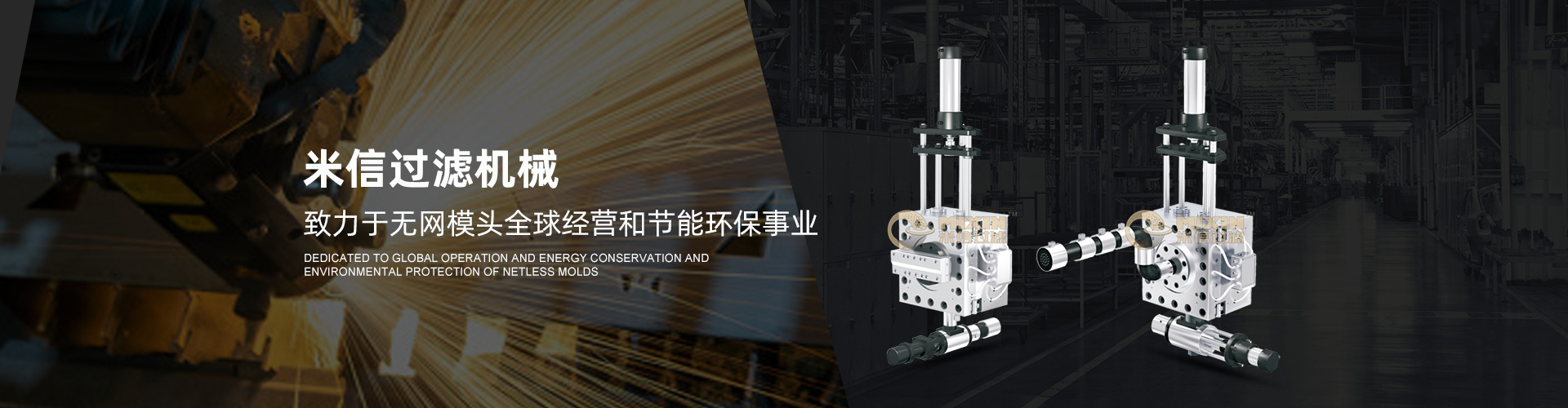
3. The cylinder is installed upwards using this method, offering convenient and quick lifting, an overall aesthetic appearance, and minimal space usage; however, the downside is that the cylinder is on top, leading to a shorter lifespan for the sealing rings inside the cylinder, which are prone to leaking and require frequent replacements. The oil tube is also lengthy.
4. The tilt installation of hydraulic cylinders is due to interference during the installation of certain equipment or when the flange cannot be rotated. Therefore, this installation method had to be adopted. Once installed, the appearance is not particularly elegant, but it does not affect the operation and application.
