
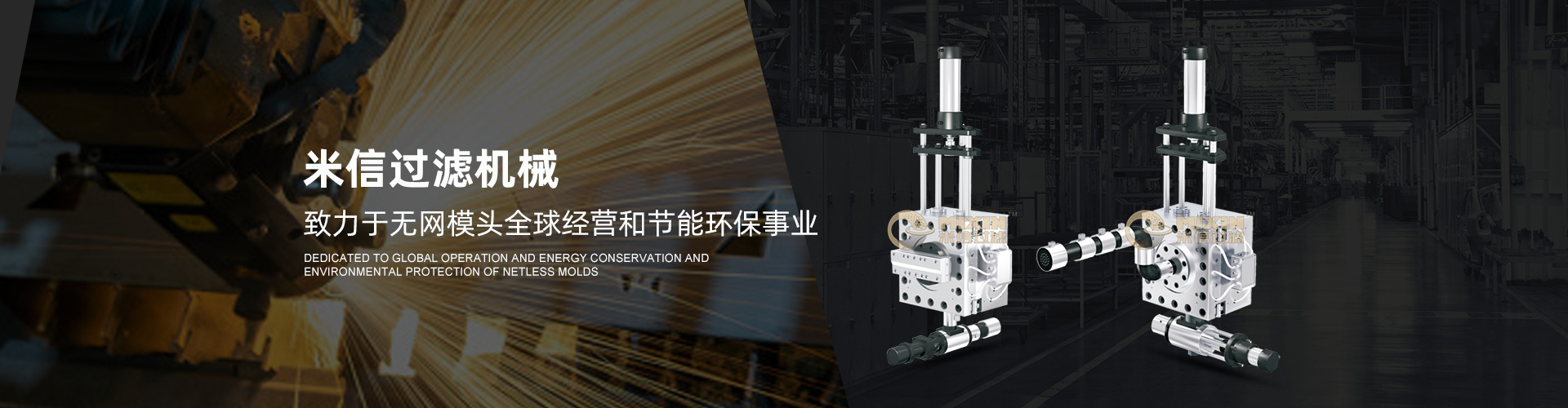

Leakage, due to aging, is an issue that nearly all strainer designs must confront, particularly those with slider strainers. These rely on manual adjustment or pressure-activated seals and are susceptible to factors like damage from slider movement, degradation of the sealing pressure ring, and damage to the filter element removal. Maintenance for these mechanical seals can be scheduled weekly to once a year. The maintenance process involves disassembly and reassembly, a time-consuming and costly endeavor. Prior to maintenance, it is crucial to keep the slider clean to prevent polymer leakage into the circuitry and other equipment.
A method to reduce system leaks is to increase the head pressure. Your subconscious might tell you that lowering the pressure is better, as it applies less stress to the system. However, since seals are designed to react to pressure within the extruder, they only function at their peak under high pressure. At lower pressures, the seals become slightly relaxed. When the extruder is idle or running at a drip rate with minimal pressure on the seals, leaks in low-viscosity materials are very common. An updated slider seal with a full-steel segmented pressure ring design can address this issue, providing a lifetime leak-free guarantee, regardless of temperature and low viscosity. This makes the seal operation leak-free in high-temperature coating applications.
Material leakage occurs over time on bolted or other tight-tolerance rotating wheel screen changers without mechanical seals. Leakage in these processed screen changers is almost always caused by mechanical damage, thus they are typically designed for a relatively narrow range of material viscosities.
Therefore, you should not apply a screen changer designed for high pressure and high viscosity processes to a low viscosity process without the supplier's approval or modification. The primary function of the screen changer is to filter out contaminants from the melt stream. However, screen changing almost inevitably introduces contaminants, some of which will enter the mold. This is due to incomplete cleaning of the sliding plate, bolts, or wheels. For example, with a sliding plate screen changer, when the upstream and downstream seals scrape the debris into the sides of the incoming filter media bag, upstream contaminants are captured on the filter media, while downstream contaminants are flushed into the mold.
