
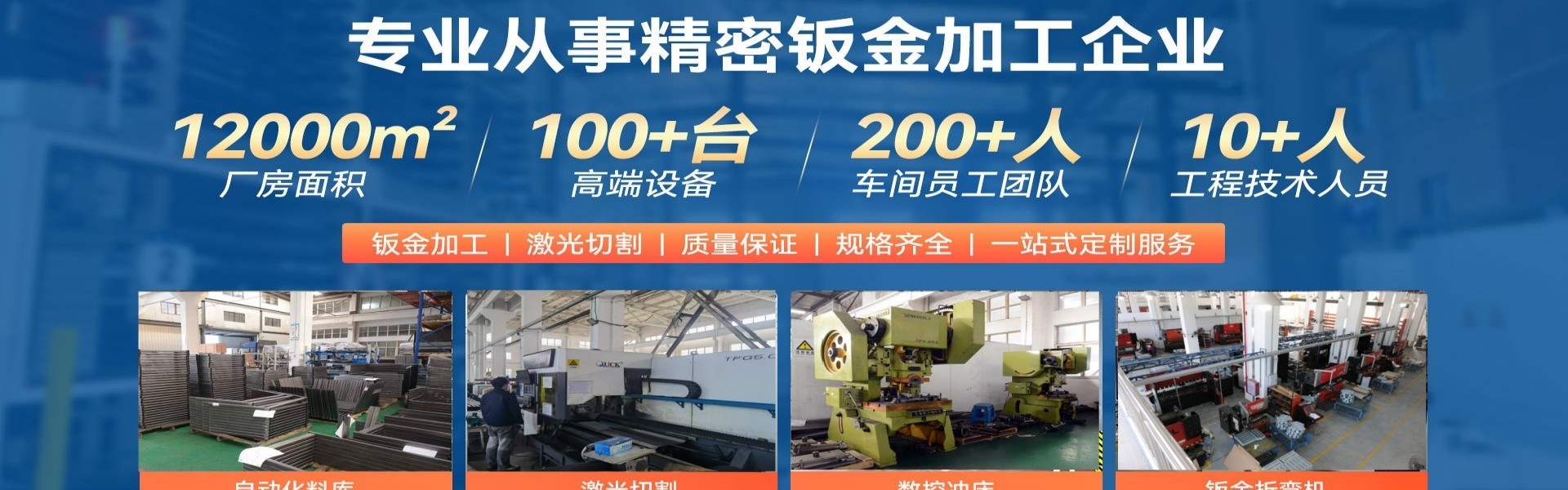
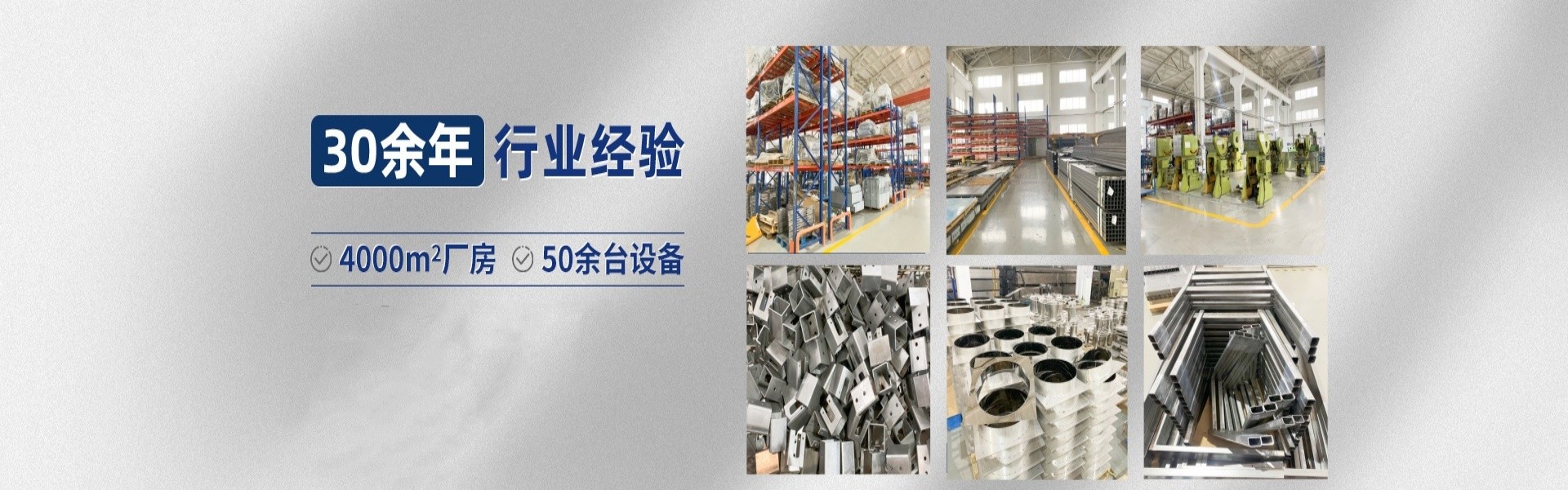
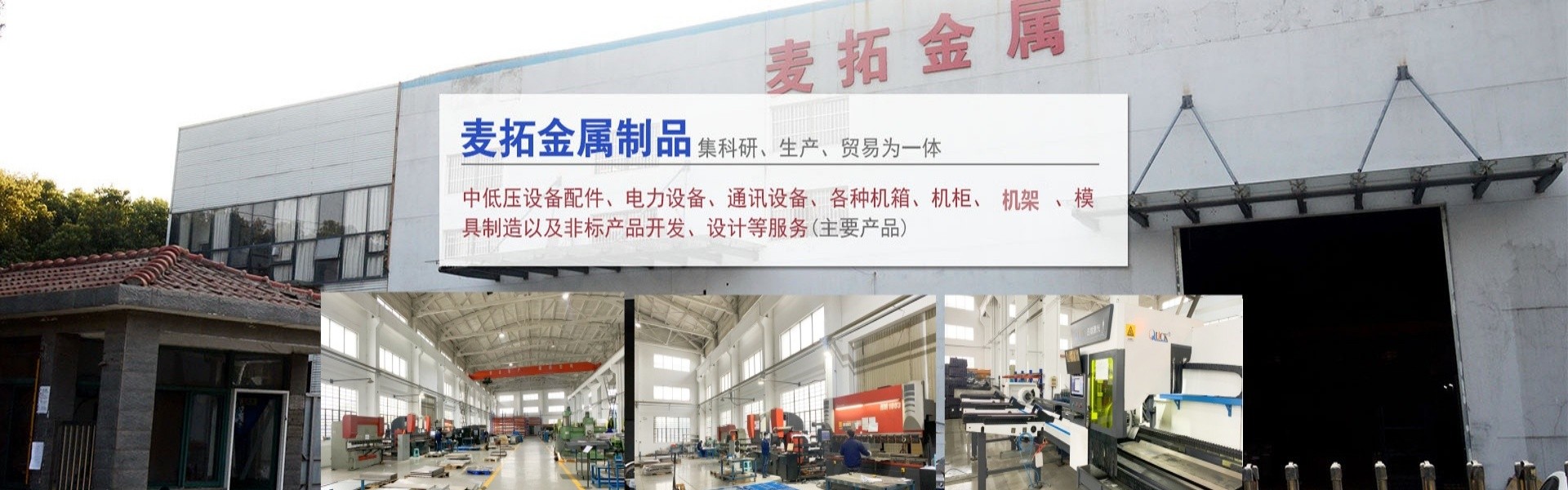

With the rapid development of sheet metal processing technology, the region of the Yangtze River Delta has seen constant advancements in its processing techniques. The gap between it and developed countries overseas is narrowing, with many renowned foreign enterprises relocating their manufacturing bases to China. Simultaneously, this trend has brought numerous revolutionary concepts to the sheet metal processing industry.
As traditional sheet metal cutting equipment, it mainly includes (numerical control and non-numerical control) shears, presses, flame cutting, plasma cutting, and high-pressure water jet cutting, among others. These devices hold a significant market share due to their familiarity and affordability. Although they have clear disadvantages compared to modern processes like laser cutting, each has its own unique advantages.
The CNC shearing machine, primarily designed for straight-line cutting, can cut sheets up to 6 meters in length with a single cut. However, it is only suitable for metal sheet processing that requires straight-line cuts. It is generally used in industries such as flatting and cutting of sheets where only straight-line cutting is needed.
Numerical Control (NC) or turret punch presses now offer greater flexibility in curved processing. A single press can be equipped with one or more sets of square, round, or special-shaped dies, enabling the production of specific sheet metal parts in one go. This is particularly common in the industry of machine cabinets and enclosures, where the required processing techniques are mainly straight-line, square, and circular cuts, with relatively simple and fixed patterns. They primarily work with carbon steel sheets under 2mm thickness, typically in sizes of 2.5m x 1.25m. Stainless steel sheets thicker than 1.5mm are generally not processed with punch presses due to the high viscosity of the material, which makes the molds expensive to use. The advantages include fast processing speeds for simple shapes and thin sheets, but the disadvantages include limited capacity for punching thick steel plates, surface indentation on the workpiece, costly mold usage, lengthy mold development cycles, high costs, and insufficient flexibility. Overseas, steel plate cutting and processing over 2mm thickness usually employ more modern laser cutting techniques rather than punch presses, as thick steel plate punching results in poor surface quality, requires larger tonnage presses, wastes resources, and generates excessive noise, which is不利于 environmental protection.
Flame cutting, once a traditional cutting method, has been popular due to its low investment and the historically relaxed quality requirements for processing. Adding an additional machining process when higher quality is needed can address this. The market has a large inventory of this technology. Currently, it is primarily used for cutting thick steel plates over 40mm in thickness. Its drawbacks include significant thermal deformation during cutting, wide kerf widths, material waste, and slow processing speeds, making it suitable only for rough machining.
Plasma cutting and fine plasma cutting are similar to flame cutting, with a large heat-affected area, but offer much higher precision. They also experience a quantum leap in speed, becoming the main force in medium plate processing. The actual cutting precision of domestic CNC fine plasma cutting machines has reached the lower limit of laser cutting. When cutting 22mm carbon steel plates, they can achieve speeds of over 2 meters per minute, with smooth and flat cutting surfaces, and the angle of inclination can be controlled within 1.5 degrees. The drawback is that when cutting thin steel plates, there is significant thermal deformation and a larger angle of inclination. They are ineffective when high precision is required, and consumables are relatively expensive.
High-pressure water jet cutting utilizes a high-speed water jet mixed with abrasive to cut sheet metal. It has almost no limitations on materials and can cut thicknesses up to over 100mm. It can also cut materials like ceramics and glass that are prone to damage during thermal cutting. Materials like copper and aluminum, which are highly reflective to laser beams, can be cut with a water jet, while laser cutting presents significant obstacles. The drawbacks of water jet cutting include slow processing speed, messiness, environmental unfriendliness, and high consumption costs.
Laser cutting represents a technological revolution in sheet metal processing, acting as the "processing center" in the field. It boasts high flexibility, rapid cutting speeds, high production efficiency, and short product production cycles, winning a broad market for clients. Laser cutting exerts no cutting force, ensuring no deformation during processing; it has no tool wear and excellent material adaptability. Whether it's simple or complex parts, they can all be precisely and rapidly formed and cut in a single operation using laser technology. The narrow cut seams result in high-quality cuts, high automation, ease of operation, low labor intensity, and no pollution. It can achieve automatic nesting and material cutting, improving material utilization and reducing production costs, leading to good economic returns. This technology has a long effective lifespan, and currently, in foreign countries, laser cutting is widely used for sheets over 2 millimeters thick. Many international experts agree that the next 30 to 40 years will be a golden period for the development of laser processing technology.