

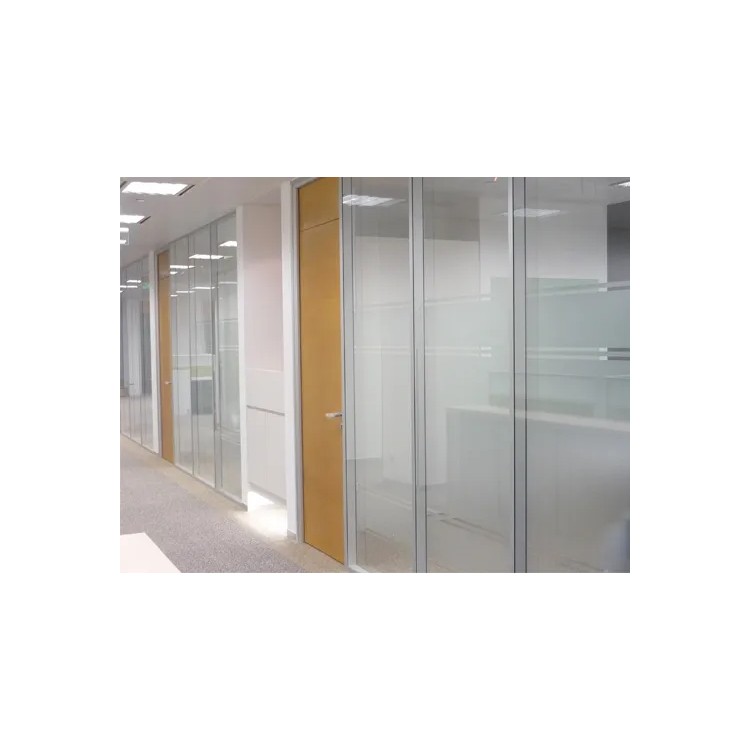
Art glass is a decorative material commonly used in modern home interiors, with its standout feature being the artistic coloration added to ordinary glass, which can greatly enhance the overall decor. However, the decoration of art glass is also closely related to its installation art. How should art glass be installed? What are the installation techniques?
When installing art glass, the merchant should measure on-site. The installation area, whether wall or floor, must be levelled. For safety reasons, glass cannot be hung on walls except load-bearing walls. Suspended installations require the use of **products** to prevent glass from falling. Additionally, pay attention to the installation and acceptance inspection of the glass. Upon arrival, check for cracks, dents, if it's bevelled, if the laminated glass is sealed, and if the dimensions meet the order requirements. For tempered glass, you can request a tempering certificate. If the merchant is responsible for installation, check if the fixed points of the hanging glass are on the same level to avoid uneven stress causing breakage.
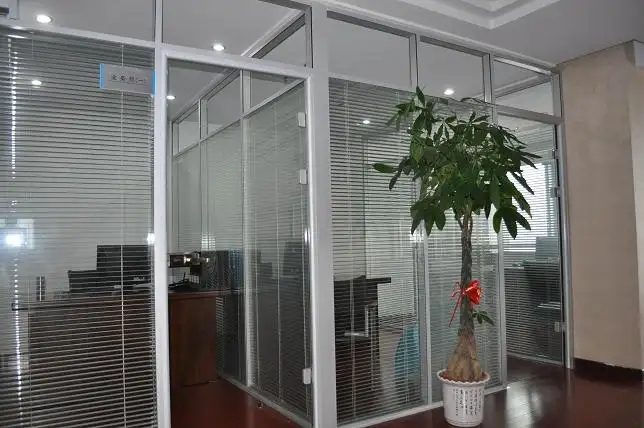
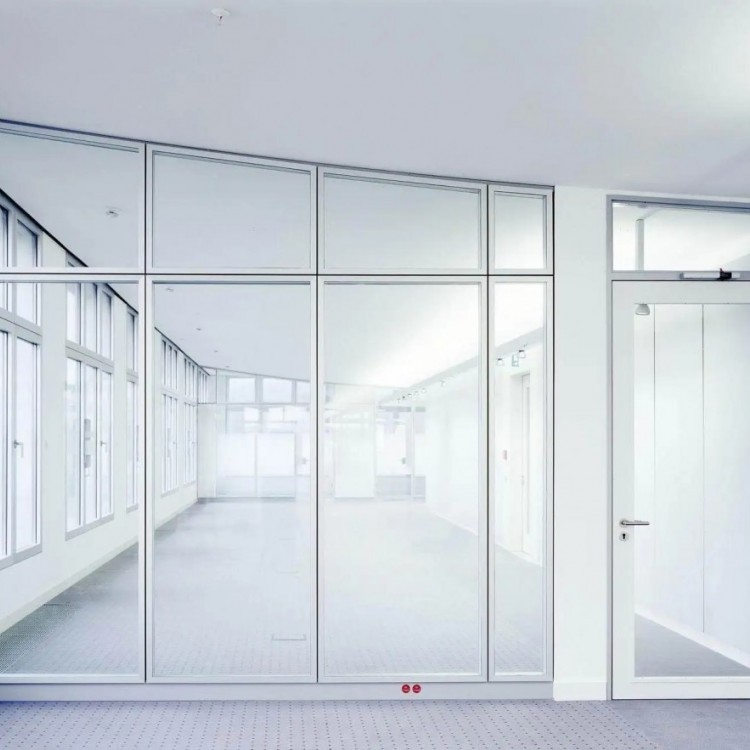
Like a standard installation, glass glue can be used for fixation, provided the glass is placed in a recess. In reality, glass partitions are usually mounted with a wooden base, about 100mm high. This base is fixed to the ground and features a recess suitable for the glass thickness. When inserting the glass, it becomes very secure with the addition of glass glue. The top of the glass partition is installed in the same manner. For installing a background wall, you can use advertising tacks to secure the corners and apply glass glue, or use stainless steel clamps; you can also opt for folded edge stainless steel.