









详情描述
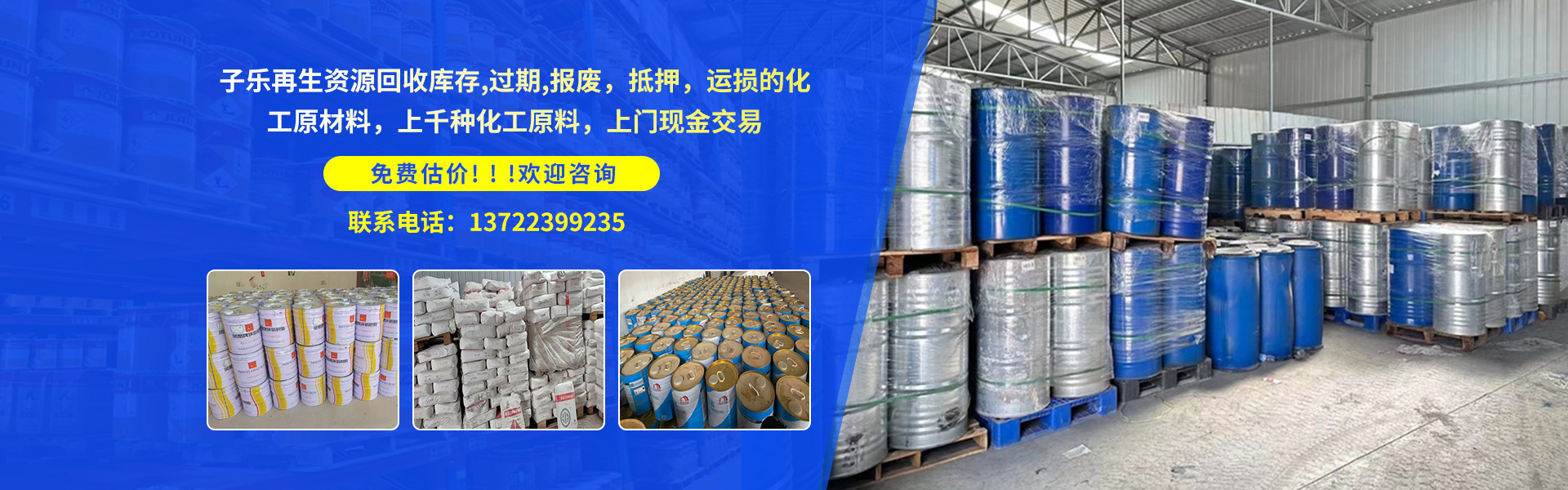
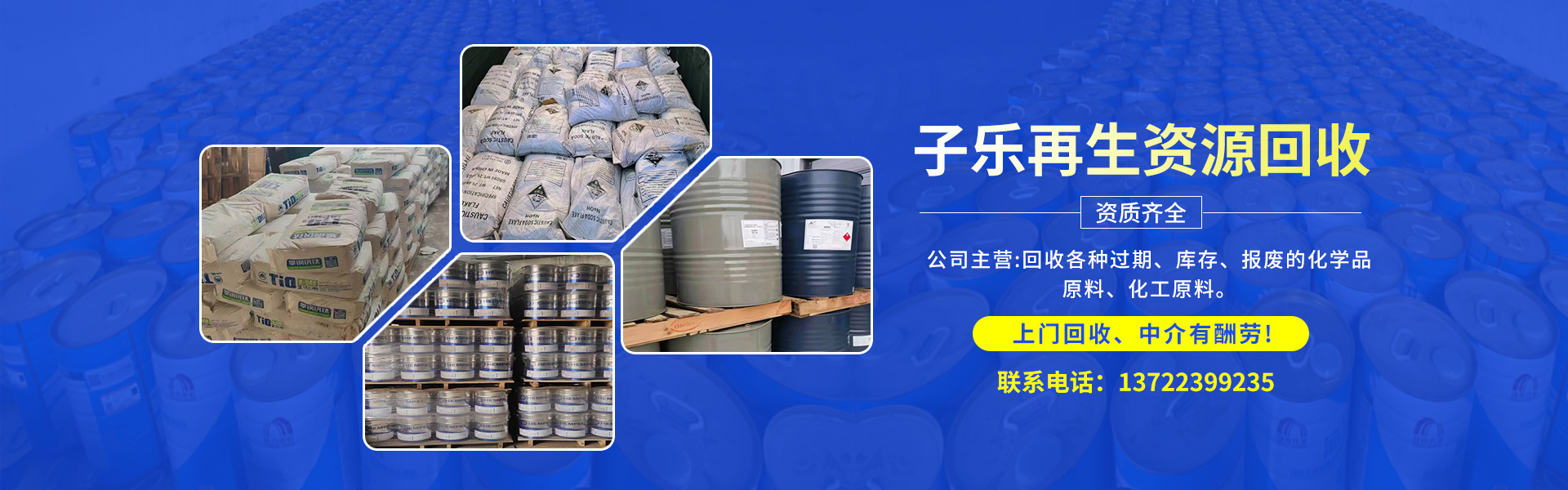
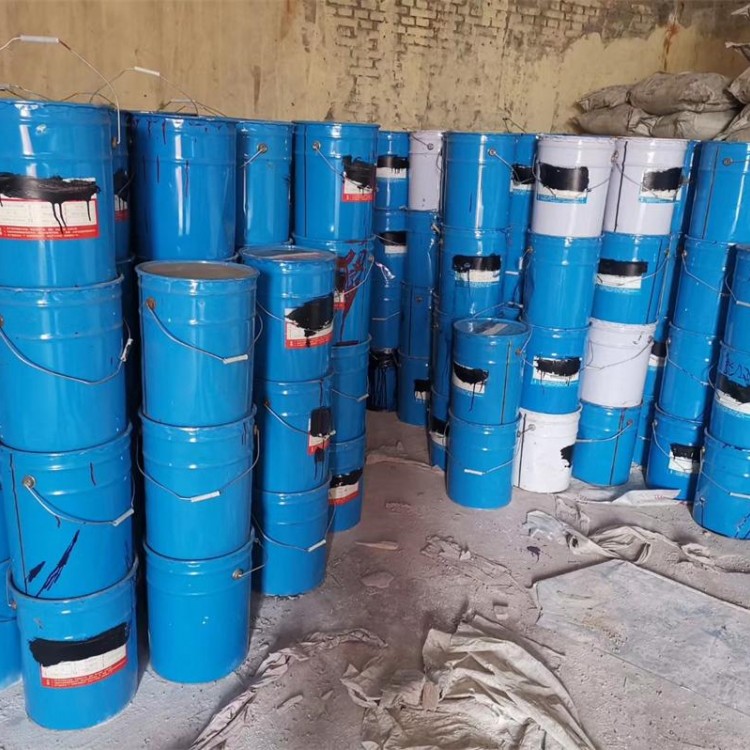
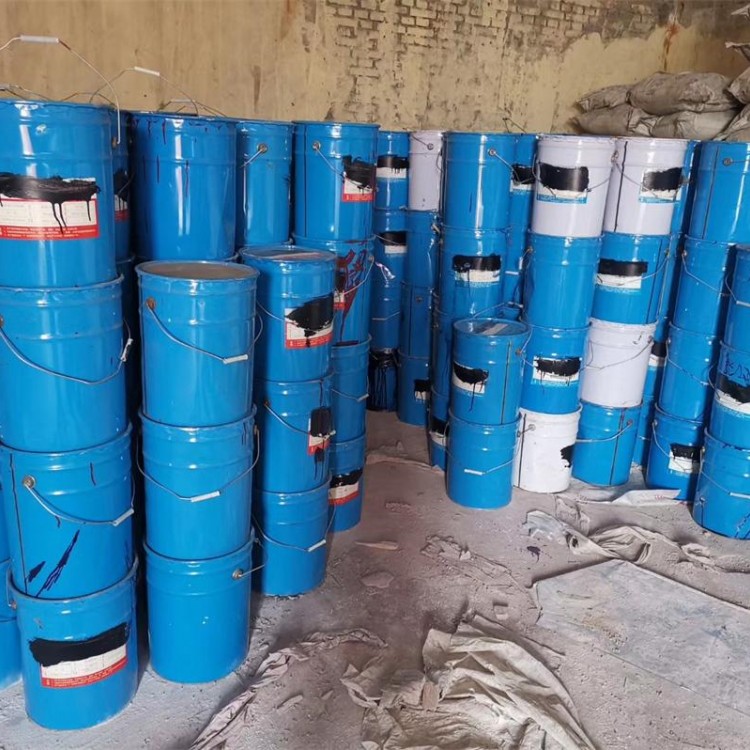
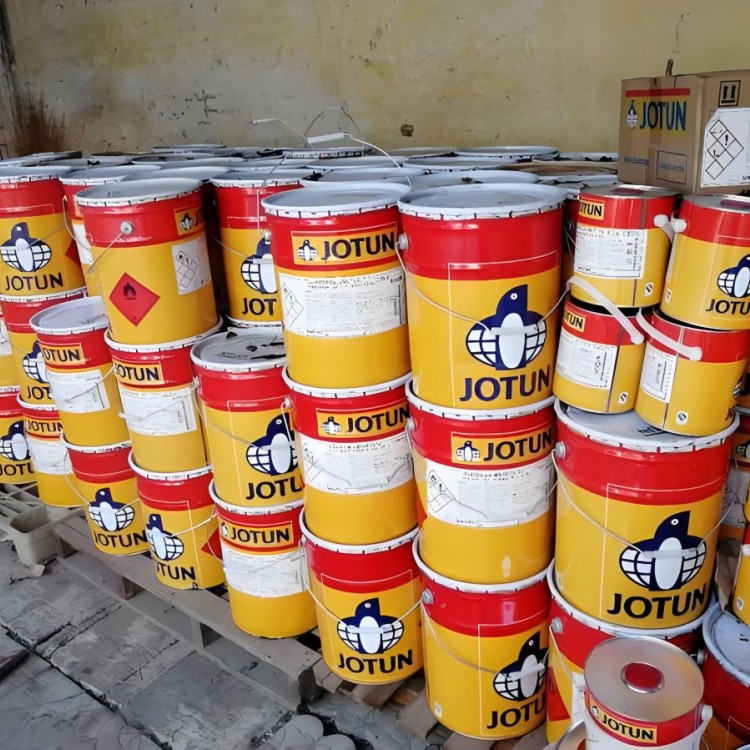
Long-term, large-scale recycling of epoxy floor paint rutile TiO2, anatase titanium, wetted titanium, expired titanium, where to recycle titanium, long-term, large-scale recycling epoxy floor paint recycling plants, chemical factories, closed chemical factories, titanium factories, Longhai chemical raw materials, titanium, hot melt adhesives, copper(I) iodide, stannous chloride, stearic acid, hardeners, polystyrene, etc.
Handan Yongnian Zile Recycling Resource Co., Ltd. adheres to the green recycling philosophy, transforming waste into treasure. In response to the national call, our company regularly purchases surplus chemical raw materials at high prices. We have offices nationwide. We offer nationwide on-site inspections and reasonable evaluations to minimize your risks. We are in constant need of recycling expired inventory of all types of dyes, pigments, paints, inks, coatings, reagents, fragrances, rubber, plastics, various food colorants, sunset yellow, food red, lemon yellow, masterbatches, textile and leather auxiliaries, food chemicals, food feed additives, various waste resins, various intermediates, copper, gold, silver powder, silver paste paint, and various warehouse products. Dyes include direct, reactive, acidic, alkaline, reducing, ice dye, basic dyes, and color phenols. Pigments include phthalo blue green, iron oxide yellow red, chrome green, medium chrome yellow, indigo, red lead, yellow lead powder, etc. Paints include varnishes, alkyd paints, lacquers, anti-rust paints, latex paints, and various types of inks, such as relief, flat, gravure, and offset printing. Materials include black material, white material, mixed materials, rigid polyether, soft polyether, MDI, TDI, and polymer MDI, etc.

Chemical Pigments
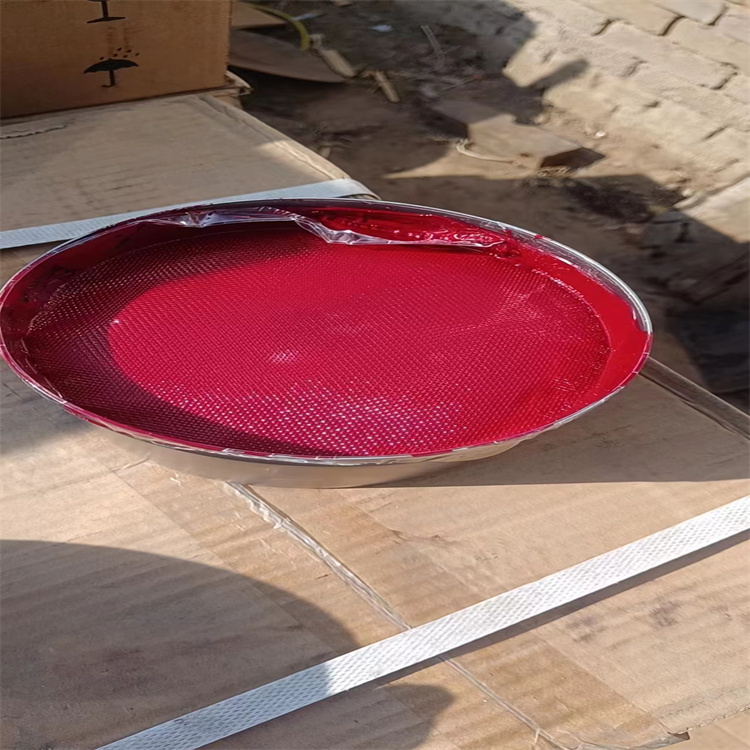
Chemical Pigments, Expired Pigments, Waste Pigments, Stock Pigments, Permanent Pigments, Phthalocyanine Pigments, Fastness Pigments, Paint Pigments, Organic Pigments, Inorganic Pigments, Ceramic Pigments, Plastic Pigments, Rubber Pigments, Reducing Pigments, Azo Pigments, Phthalocyanine Pigments, Clariant Pigments, Yujiali Pigments, Aolisu Pigments, BASF Pigments, Lightfast Pigments, Middle Complex Pigments, Permanent Pigments, Fastness Pigments, Golden Red C, Phthalocyanine Blue, Phthalocyanine Green, Permanent Violet, Fastness Red, Lissol Red, Boron Red, Carmine, Madder Red, Rubber Madder Red, Union Yellow, Oil Soluble Red, Pigment Red 254, Pigment Red 122, Copper Gold Powder, Pearl Powder, Middle Chromium Yellow Recovery, etc.
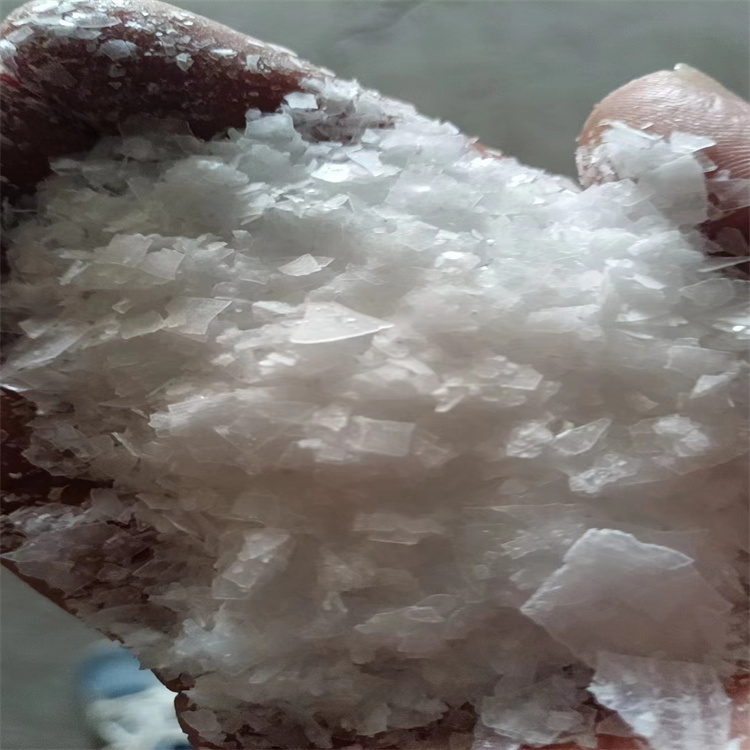
Chemical Name: Polyoxyalkylene Alcohol (AES)
「Appearance」:White sticky or clear white
Performance: This product boasts excellent washing properties, strong stain removal, and good, non-biodegradable, and biodegradable qualities, as well as resistance to hard water.
"Function]: AES is a typical high-performance anionic surfactant, with usage second only to LAS; it boasts excellent cleaning, emulsifying, wetting, solubilizing, and foaming properties. It has good solubility, effective thickening, wide compatibility, strong resistance to hard water, high biodegradability, and low irritation to skin and eyes.
「Usage」:
1. Suitable for use in textile fiber oil additives.
2. Widely used in liquid detergents, such as dishwashing, shampoo, foam bath, hand sanitizer, fabric cleaner, metal cleaner, and various hard surface cleaners.
3. AES can also be used in laundry detergents and heavy-duty cleaners, partially replacing LAS. This not only reduces the need for phosphates, but also cuts down on the total amount of active ingredients.
4. Also serves as a lubricant and dye assistant for the textile and dyeing, petrochemical, leather, and other industries, as well as cleaning agents, foaming agents, defoamers, and degreasers.
Aromatics for daily-use products refer to fragrances used in perfumes, cosmetics, toiletries, and other everyday items. These can be categorized into various main scents and tones based on the fragrance theme.
Method of blending cosmetic fragrances:
1. From aspects such as the relative molecular mass, boiling point, vapor pressure, number of carbon atoms, molecular structure, and viscosity of the aromatic raw materials, one can roughly understand the extent of the fragrance's diffusion, strength, longevity, and stability.
2. From the melting point, freezing point, solubility, and miscibility of the aromatic raw materials, one can predict their state at certain temperatures, thereby avoiding phenomena such as turbidity, freezing, precipitation, and stratification during temperature changes.
3. Understanding the solubility of fragrant raw materials in various perfumes, solvents, and fragranced products can prevent issues such as cloudiness and precipitation in the fragrances and fragranced items, and reduce losses caused by filtration.
4. Analyzing the chemical classification, molecular structure, and functional group properties of aromatic raw materials, and considering the chemical characteristics of alcohols, acids, esters, aldehydes, ketones, phenols, ethers, lactones, acetal, ketal, and terpenes, we predict their interactions and the chemical relationships between fragrances and scented products, providing support for the design of fragrance formulas.
5. Knowing the relative density, refractive index, and optical rotation of aromatic raw materials can help perfumers understand the specifications of the raw materials.
6. By chemical analysis, purity identification, and the nature and quantity of its components, one can determine what to select or avoid, preventing issues such as spoilage, fragrance change, or color alteration in essential oils and fragranced products.
7. Understanding the physiological effects of certain aromatic raw materials on the human body, such as their sexual, toxic, and other properties, as well as the exposure dosage, can help reduce or avoid the use of materials that may affect human physiological states.
8. Understanding the principles of physical adsorption, absorption, and saturation, as well as chemical concepts like oxidation, reduction, esterification, decomposition, polymerization, and condensation, aids in addressing numerous issues related to the diffusion, strength, longevity, and stability of fragrances in the design of flavor formulas.
9. By verifying physical and chemical data, one can master the usage and storage methods of fragrant raw materials and essences, such as their heat resistance, acid resistance, alkali resistance, antioxidant properties, light protection, and effects when in contact with metals. This helps prevent product deterioration, fragrance change, color change, and associated losses.
10. From certain experimental data, such as the low concentration levels at which the aroma of certain spices can be detected by the human senses, and the relative intensity coefficients between different spices, a rough determination of the quantities and proportions of the fragrant raw materials in the essence formula can be established.
询价单


