





One: Offer both radio wave and infrared products at the same price point, allowing customers the freedom to choose one or the other.

Project | Radio Wave Sensor | No Chinese content provided. | Note |
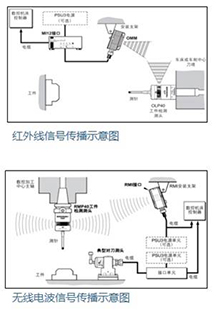
Transmission Signal | p24 Radio Waves | Infrared | Each has its own characteristics. |
Signal Interference | Independent Channel, Uninterrupted | General Channel | Radio waves have advantages. |
Transmission Distance | 15 meters | 5 meters | Radio waves have advantages. |
Obstacle Interference | No content provided. | There is no Chinese content provided to translate. | Radio waves have an advantage. |
Power consumption | Save energy, approximately 1/5 less than infrared. | High energy consumption | Radio waves have an advantage. |
Challenges in Management | Head and receiver are paired one-to-one; no mixing allowed. | The probe is universally compatible with any receiver, ensuring no mix-ups. | The outdoor probe requires minimal management. Of course, lower management requirements often lead to an increased probability of the probe being damaged or lost by mistake. |
High stability with minimal self-alarm exceptions
The frequency of sensor alarm is a very critical indicator of the sensor's quality performance. The abnormal alarm frequency of the sensor itself can directly determine the quality level of the sensor.
High probe alarm frequency mainly affects personnel and machine tool efficiency.
Comparative tests of machine tools and measuring products have shown that the probe's alarm frequency is lower under consistent conditions.
Section III: Energy-Saving, One of the Most Energy-Efficient Probes in the Industry
The radio wave sensor can achieve a battery life five times longer than other brands under the same battery conditions.
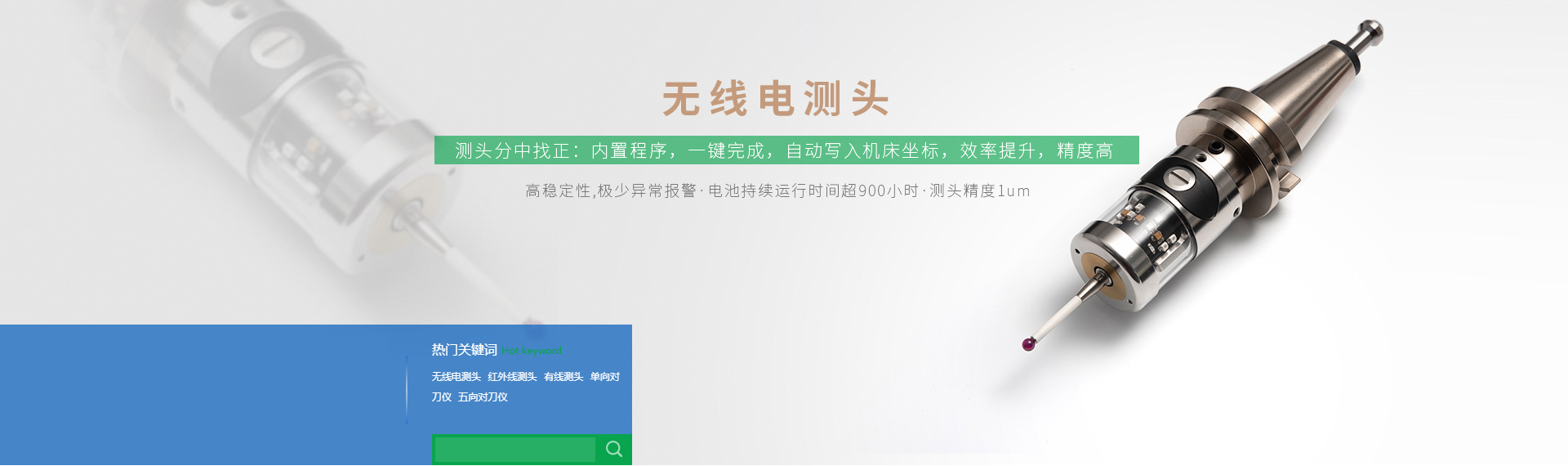
Battery Continuous Runtime: 900H
Each probe brings customers over 500 yuan in battery cost savings per set annually.
High precision, excellent quality
Probe Accuracy: 1um
OQC: 10,000 dot testing
Waterproofing: 4-meter Deep Immersion Test