


What are the functions and roles of industrial cooling water chillers?

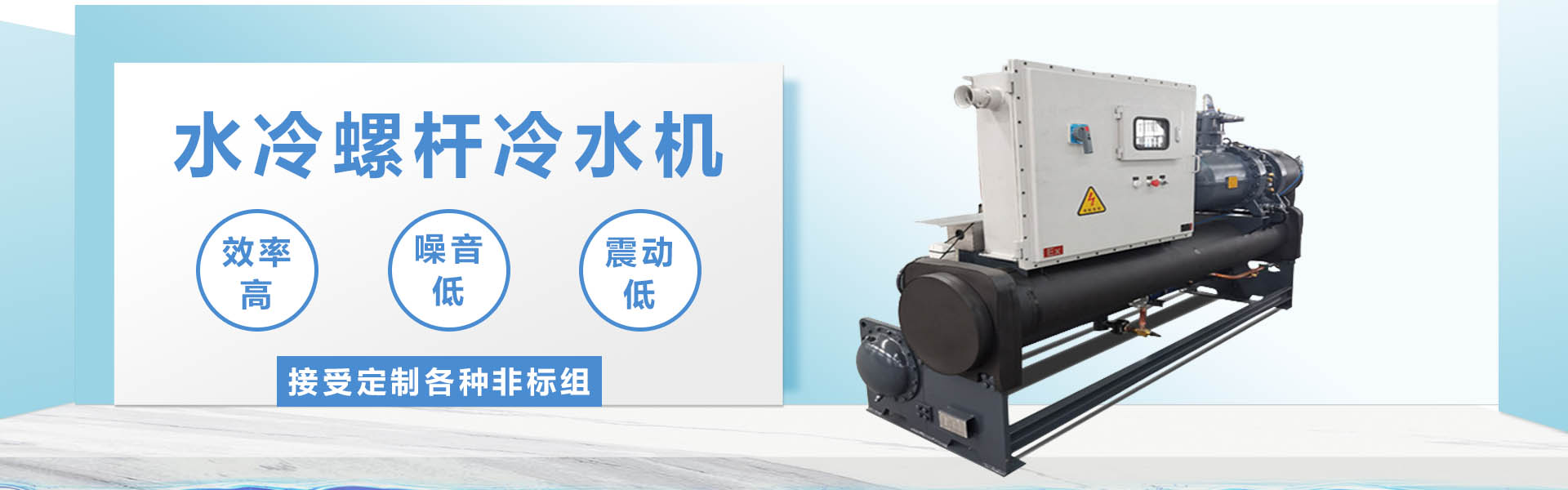
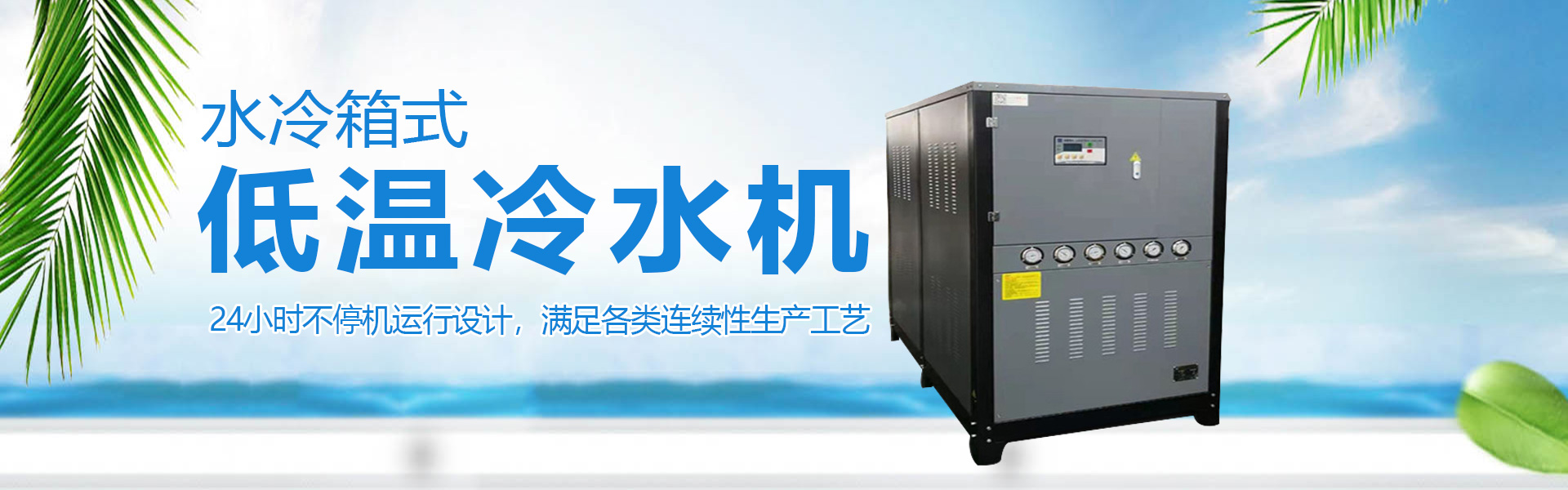
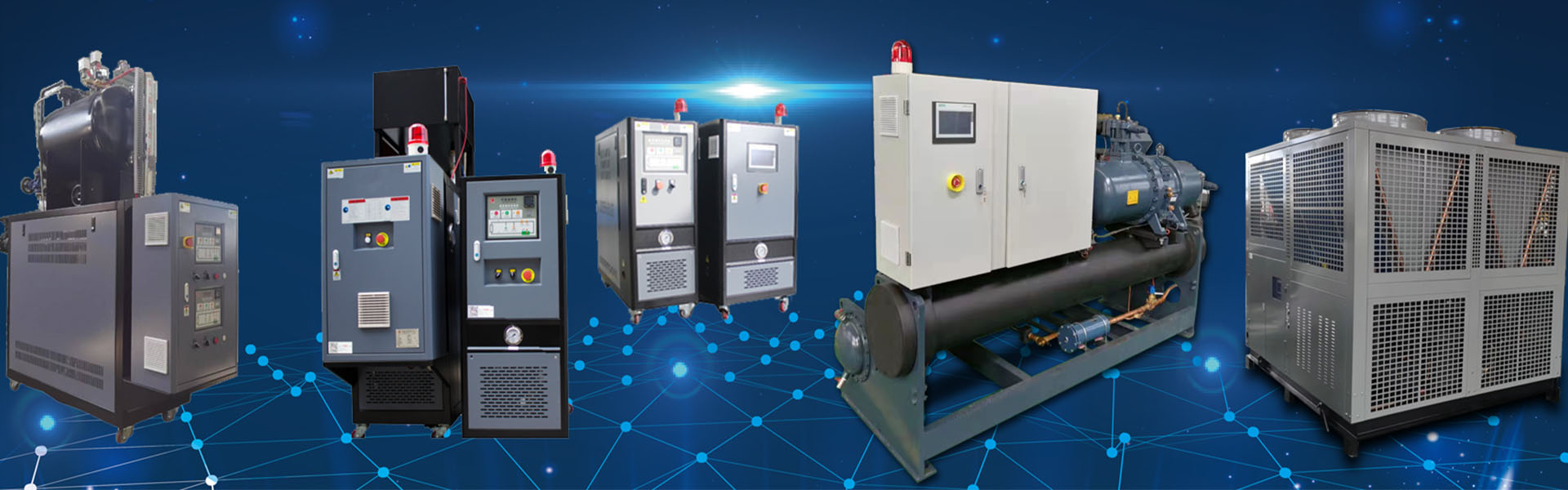
Industrial coolers are machines that achieve cooling effects through steam compression or absorption cycles. These fluids can flow through heat exchangers, with the purpose of cooling air or equipment. A cooler is a water-cooled unit that can provide consistent temperature, flow rate, and pressure cooling. The principle of a cooler involves injecting a certain amount of water into the internal reservoir of the machine, where the water is cooled by the cooling system of the cold water unit. The chilled water is then pumped into the equipment to be cooled, removing heat from within the machine. The hot water, now at a higher temperature, is then poured into the reservoir for cooling and subsequently pumped back to cool the water again, thereby cooling the equipment. Coolers are widely used in various industrial cooling processes, such as in plastics, electroplating, electronics, chemicals, printing, and food processing. Due to the broad range of applications and usage of cold water units, they cannot be listed individually here. Below, we briefly introduce several industrial sectors where cold water units are widely applied: 1. Chemical Industry: Primarily used for cooling and temperature reduction of reaction vessels (chemical heat exchangers) to dissipate the immense heat generated by chemical reactions, thereby achieving cooling (temperature reduction) to improve product quality. 2. Plastic Products Manufacturing Industry, including plastic containers, food packaging films, medical packaging films, etc. The cooling (cooling) process during injection molding of plastic products (TVs, computers, washing machines, mobile phones, refrigerators, air conditioners, plastic toys, automotive plastic parts, etc.) directly affects the surface finish and pass rate of the product.
What is the cooling principle of industrial chillers?

The industrial cold water chiller system operates through three related systems: the refrigerant circulation system, the water circulation system, and the electrical automatic control system. Refrigerant circulation system: The liquid refrigerant in the evaporator absorbs the heat from the water, begins to evaporate, and there is a certain temperature difference between the refrigerant and the water. The liquid refrigerant completely evaporates into a gas, which is then compressed (pressurized) by the compressor. It condenses into a liquid through the condenser (cold/water), and then enters the evaporator via a throttle valve (or capillary tube), becoming a low-temperature, low-pressure refrigerant, completing the refrigerant circulation process.
